The role of coaching in winter sports success.

The role of coaching in winter sports success.

The Importance of Coaching in Winter Sports

Coaching in winter sports plays a crucial and multifaceted role in the development and achievement of athletes. Whether in skiing, snowboarding, ice hockey, or curling, coaches are vital for improving athletes’ technical skills, strategic understanding, and mental strength.

Technical Skill Development

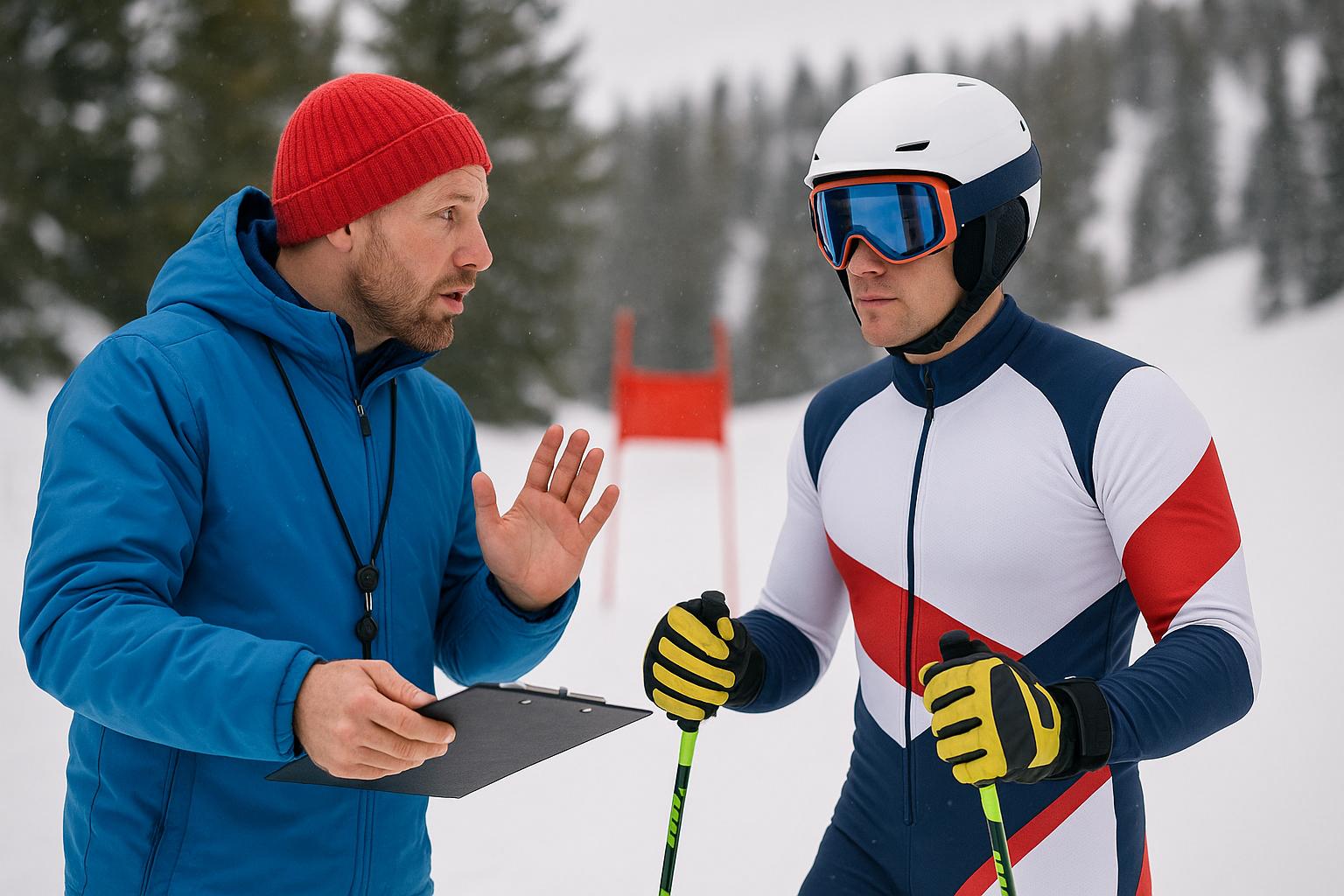
Coaches are instrumental in enhancing the technical abilities of winter sports athletes. They provide instruction on technique, ensuring athletes perform movements efficiently and safely. For instance, ski coaches guide athletes on proper body positioning and turning techniques, which are essential for navigating varied terrains. Through meticulously planned training sessions, coaches focus on refining skills that are crucial for competitive success.

In sports like snowboarding, coaches assess each athlete’s approach to jumping, sliding, and speed control. By breaking down movements into smaller components, coaches can identify areas needing improvement and help athletes adjust their techniques accordingly. This personalized approach allows athletes to continuously refine their skills and align them with competitive standards.

In ice hockey, technical skills such as skating speed, puck handling, and shooting accuracy are foundational elements. Coaches employ drills that enhance these skills while incorporating game-like scenarios to ensure athletes can apply their training in live situations. The overall goal is to prepare athletes to excel technically during competitions by providing a comprehensive and methodical training regime.

Strategic Understanding

In addition to technical prowess, a strong strategic understanding of the sport is necessary. Coaches bring their knowledge of the sport’s intricacies to the athletes. This knowledge includes understanding the competition rules, formulating strategies for different courses or opponents, and making quick decisions under pressure. For example, in ice hockey, coaches analyze opponents and devise game plans that exploit their weaknesses.

Strategic thinking in winter sports is multifaceted. In curling, for instance, coaches guide athletes on the best stone placement strategies to outscore opponents. Understanding the ice conditions and anticipating the opponent’s strategy become part of the coach’s job to instill in athletes the foresight necessary for prevailing in matches.

Moreover, effective strategy isn’t just about the events; it extends to managing the season at large. Coaches plan the competitive calendar, deciding which events are crucial for athlete development and which can be used for testing new strategies or skills. This macroscopic view ensures athletes are at their physical and strategic peaks during major competitions.

Mental Preparedness

The mental aspect of winter sports is as challenging as the physical demands. Coaches play a vital role in helping athletes build mental resilience. They provide motivation, emotional support, and mental strategies to handle the pressures of competition. This psychological coaching helps athletes maintain focus, perseverance, and confidence—qualities that are indispensable during high-stakes events.

Mental preparedness encompasses managing stress, dealing with the pressure of expectations, and maintaining composure in the face of adversity. Athlete mentality is sculpted during rigorous training sessions that simulate competitive pressures. Coaches work with athletes to build a mental toolkit that helps them navigate the unpredictable nature of outdoor sports, such as weather changes and equipment malfunctions.

Mental training often includes visualization techniques, goal-setting exercises, and cognitive-behavioral strategies. The emphasis is on creating a resilient mindset that views challenges as opportunities rather than barriers. This shift in perspective not only improves performance during competitions but also enhances overall athlete well-being.

Safety and Risk Management

Winter sports often occur in environments that present significant safety risks, such as slippery ice, snowy slopes, and cold temperatures. Coaches are responsible for educating athletes about potential hazards and injury prevention. They ensure proper equipment use and encourage adherence to safety protocols, playing a crucial role in minimizing the risk of accidents and ensuring a safe sporting environment.

Safety education provided by coaches covers everything from basic warm-up routines and stretching exercises to safeguard against muscle injury, to more sophisticated aspects like avalanche awareness and response in skiing or snowboarding. They also oversee the appropriate usage and maintenance of protective gear, ensuring that athletes are shielded from potential impacts during training and competition.

Additionally, coaches often develop contingency plans for emergencies, training athletes on how to respond to incidents and offering them the confidence to act swiftly and effectively when required. By embedding safety consciousness into the sporting culture, coaches drastically reduce the probability of injuries, allowing athletes to focus fully on their performance.

Conclusion

The role of coaching in winter sports success cannot be overstated. By enhancing technical skills, strategic comprehension, and mental robustness, and by promoting safety, coaches are integral in helping athletes reach their full potential. Their expertise and guidance are pivotal in transforming promising talent into accomplished athletes.

The path from amateur to elite athlete in winter sports is a complex journey, requiring diligent effort and expert mentorship. Coaches are not mere instructors but are central to fostering a comprehensive understanding of the sport, promoting innovation, and pushing boundaries. They guide athletes through the rigors of preparation, equipping them with not only the skills and strategies necessary for success but also the mental fortitude needed to thrive under pressure.

Incorporating modern training techniques and leveraging advancements in sports science, coaches continue to evolve alongside the athletes they mentor. This proactive adaptation ensures that athletes are prepared to face the ever-changing landscape of competitive winter sports. Consequently, the legacy of coaching remains an ever-present testament to the enduring pursuit of excellence within winter sports.
The art of ski jumping.

The art of ski jumping.

The Basics of Ski Jumping

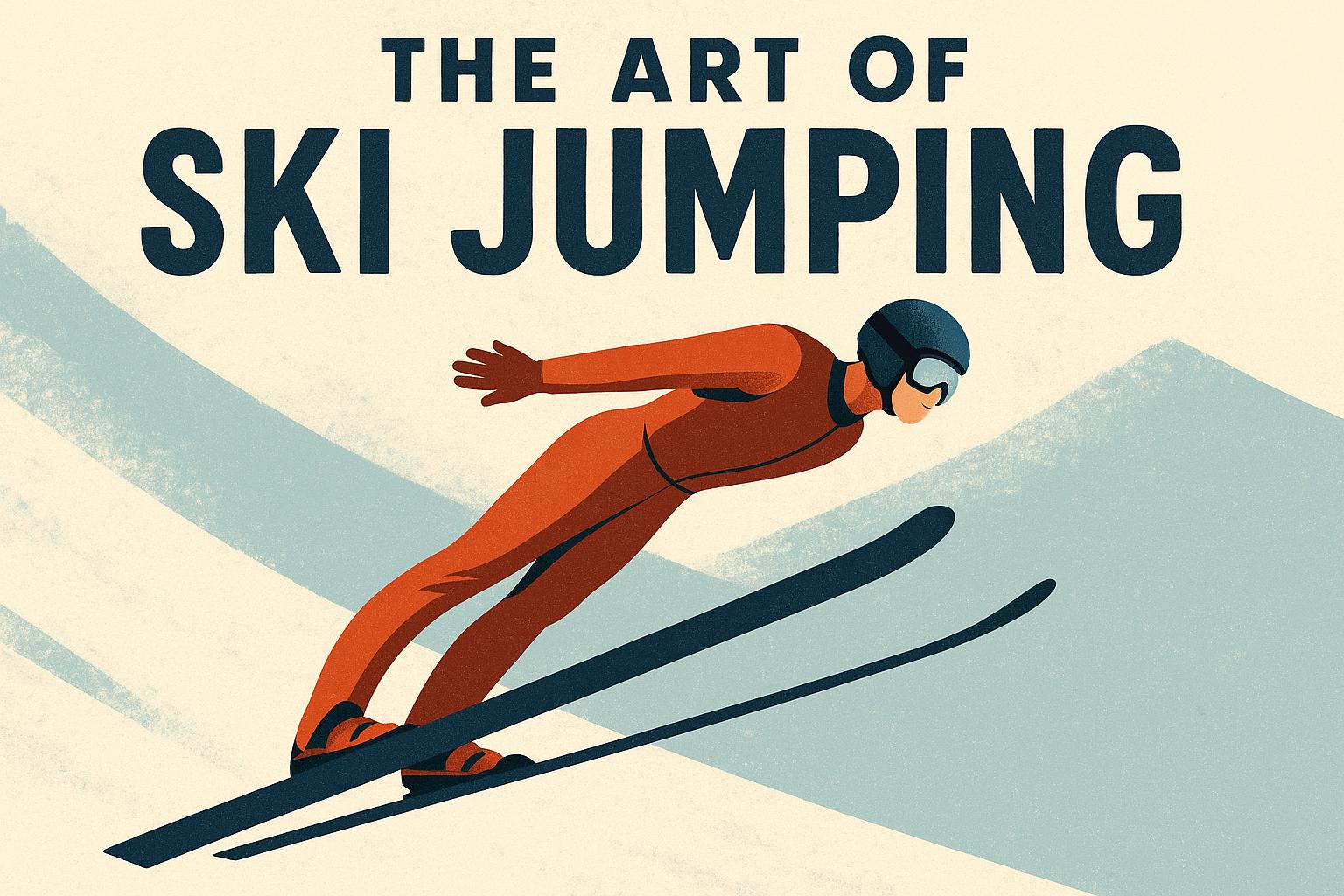
Ski jumping is an athletic discipline that involves descending an inclined ramp on skis to achieve maximum distance and stylistic excellence. This sport is a unique blend of technical precision and courage, as athletes launch into the air at high velocities. Integral to ski jumping are the components of the inrun, takeoff, flight, and landing. These steps demand proficiency from the athlete and are crucial for determining the success of a jump.

The Evolution of Ski Jumping

The origins of ski jumping can be traced back to Norway in the early 19th century. Over the years, the sport has seen substantial evolution. Initially, the jumps were modest in scale, taking place from natural hillsides. However, with the passage of time and the advent of technology, modern competitors have achieved record-breaking jumps exceeding 250 meters. Specialized equipment has considerably advanced performance levels, making ski jumping a highly refined sport. Improvements in skis, suits, and bindings have allowed athletes to gain improved control and better aerodynamics. Each piece of equipment has been meticulously designed to optimize the athlete’s ability to soar through the air with precision and balance.

Equipment Used in Ski Jumping

The apparatus in ski jumping is of paramount importance to an athlete’s success. Ski jumpers utilize skis that can measure up to 2.4 meters in length, which provides them with the necessary stability during their aerial phase. The bindings attach solely at the toes, facilitating heel elevation—a critical factor in maintaining equilibrium during flight. Moreover, the ski jumping suits are crafted to be aerodynamically efficient, assisting athletes in minimizing air drag as they soar through the sky.

Ski Jumping Techniques

Technique is vital to the triumph in ski jumping, with the jump segregated into four distinct phases, each necessitating precise execution:

1. Inrun: The initiation of the jump begins on the inrun, where athletes assume a tucked, aerodynamic position. This posture is pivotal for minimizing air resistance, thereby enhancing speed as they glide down the ramp.

2. Takeoff: As jumpers reach the end of the ramp, they execute a rapid leg extension, a movement critical for achieving the ideal lift-off angle. This phase is about timing and control, as the goal is to maximize both height and distance at the point of launch.

3. Flight: Once airborne, jumpers enter the flight phase, where they manipulate their body into a V-shape to augment lift and stability. This shape is instrumental in maintaining control, as external factors such as wind conditions can significantly alter trajectory and performance.

4. Landing: The jump culminates in the landing, often marked by the telemark style—a technique where the skier’s feet are slightly staggered to enhance balance. Precision in executing this movement is essential, as judges assess both the distance and the aesthetic quality, which reflects in the scoring.

Judging Criteria and Competition

Competitions in ski jumping are meticulously scored based on two main criteria: distance and style. While the distance is the foremost measure of an athlete’s ability, the judges also evaluate the style inherent in the jump. This includes the technique of takeoff, the flight position maintained, and the nature of the landing. As such, ski jumping is not merely a test of distance but also a showcase of grace and skill.

Ski jumping events are hosted at specialized facilities designed exclusively for the sport. There are numerous competition formats, from individual challenges to team-based events, each offering a unique platform for athletes to demonstrate their prowess. Those interested in following current competitions or seeking more information on ski jumping events have various options. Many turn to specialized sports broadcasting networks or visit official ski federation websites for comprehensive coverage and detailed insights into this exciting sport.

How to build core strength for skiing and snowboarding.

How to build core strength for skiing and snowboarding.

Understanding the Importance of Core Strength in Skiing and Snowboarding

The exhilarating sports of skiing and snowboarding require more than just a love for the mountains. To successfully maneuver through the snowy terrains, one must possess robust core strength. Your core, comprising the muscles in your abdomen, hips, and lower back, plays a crucial role in maintaining balance, stability, and proper posture while skiing and snowboarding.

The Role of Core Strength

When engaging in these sports, your core acts as a stabilizer. It aids in transferring power from your legs to your upper body and vice versa, ensuring fluid movements. Strong core muscles help in reducing the risk of injuries, as they provide better control and support during rapid turns and abrupt stops.

Skiing and snowboarding are not just about the thrill of racing down a mountain or performing intricate tricks in the air. They demand intricate bodily coordination that can only be achieved with a well-conditioned core. The core’s role extends beyond simple stabilization; it serves as a central point from which energy is efficiently distributed throughout the body. This dynamic distribution of energy is crucial for executing precise movements and maintaining momentum across varied terrains.

Preventing Injuries Through Core Strength

A key benefit of developing core strength is injury prevention. The activities of skiing and snowboarding inherently carry risk due to high speeds and the potential for falls. Having a strong core can mitigate these risks significantly. The ability of the core muscles to absorb shock and redistribute it through the body helps reduce the strain on joints and ligaments, particularly those in the knees and ankles. Moreover, when the body is stable and controlled, the risk of overextension and awkward landings decreases.

Preparing Your Core for Winter Sports

To prepare your body for skiing and snowboarding, it is essential to focus on core-strengthening exercises. These exercises will enhance your overall performance and enable you to tackle challenging slopes with greater confidence.

The preparation phase for these sports should begin well before the first snowfall. Building core strength is not something that happens overnight, and therefore, committing to a pre-season training program is crucial. A well-thought-out plan will target not only the core but the overall fitness level, which includes cardiovascular stamina and muscular strength, providing a solid foundation for all physical activities on the slopes.

Effective Core Strengthening Exercises

Without relying solely on lists, let’s delve into some effective exercises that are particularly good at building the core strength necessary for winter sports.

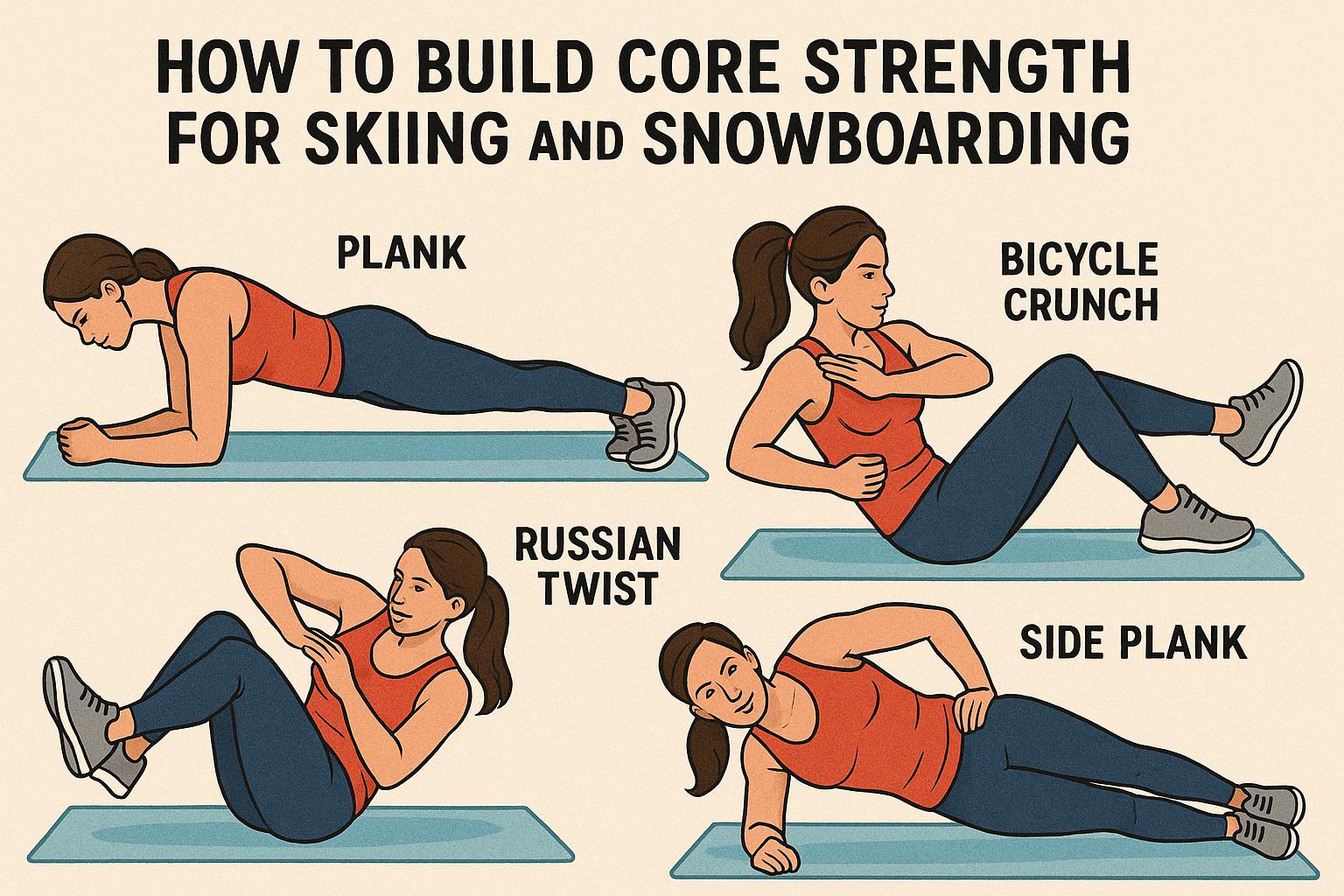
Planks serve as one of the most effective methods for strengthening your core. By maintaining a single position, your muscles are engaged in a sustained effort, promoting endurance and stability. Progressing to side planks allows you to focus on the oblique muscles, crucial for the rotational movements in skiing and snowboarding.

Russian Twists provide an excellent way to enhance rotational strength, which is vital when maneuvering across uneven terrains or making sharp turns. This exercise emphasizes the oblique muscles, delivering rotational power and endurance necessary for maintaining agility.

Dead Bugs offer a unique way to target both the abdominal muscles and the hip flexors, creating a challenging war between maintaining stability and controlling limb movement. Engaging your core during this exercise forms a base of support that is critical when adjusting your body mid-air or during a descent.

Bicycle Crunches maximize core engagement by incorporating movement that mimics the pedaling action of a bicycle. Not only has this proved effective in toning the abdominal muscles, but it also bolsters the coordination required for executing complex maneuvers seamlessly.

While these activity-specific exercises are indispensable, maintaining flexibility is equally important. Regular core stretches ensure that muscles are pliable, providing a full range of motion necessary for the swift and often unpredictable movements encountered on the slopes.

Integrating Core Workouts into Your Routine

Integrating these exercises into your regular fitness routine can elevate your winter sport experiences significantly. A core training regimen practiced at least thrice a week can yield noticeable improvements in balance, stability, and strength. It’s also beneficial to incorporate these core routines with cardiovascular and full-body strength training exercises. Such a holistic approach not only maximizes physical fitness but also prepares the mind by fostering discipline and body awareness.

Adapting to varied exercises and training schedules can additionally prevent muscular fatigue and promote all-around athleticism, which is indispensable for enjoying the full spectrum of skiing and snowboarding activities.

In conclusion, prioritizing core strength is a key component in preparing for skiing and snowboarding. By incorporating core-strengthening exercises into your regimen, you’ll enhance your balance, stability, and control, leading to a safer and more enjoyable experience on the slopes. Engaging in these physical preparations not only prepares the body to handle the physical demands of these winter sports but also enhances mental readiness, allowing you to connect with the mountain in an exhilarating, yet controlled manner.

The best winter sports for families.

The best winter sports for families.

Introduction to Winter Sports for Families

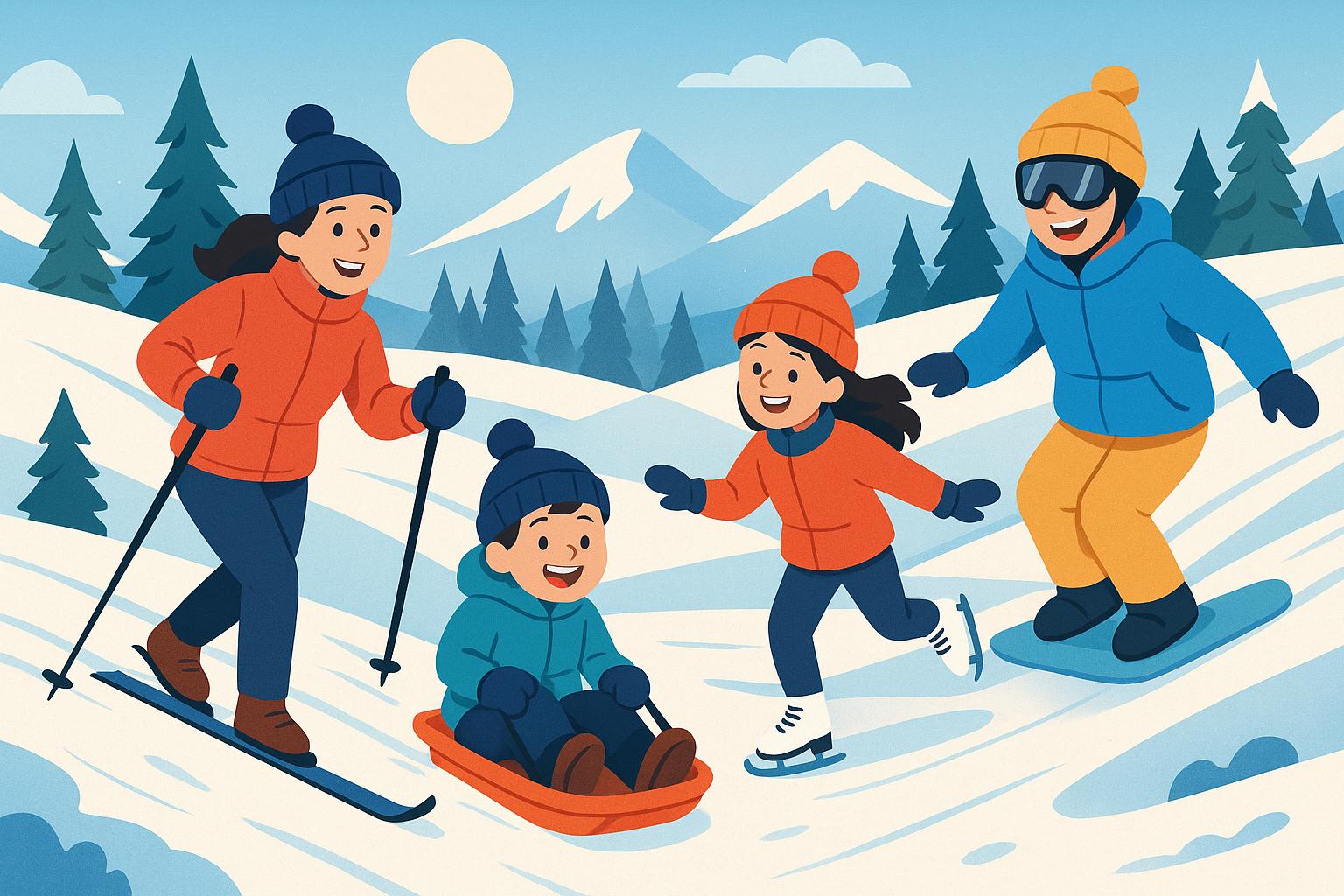
With the arrival of winter, families are presented with an exciting opportunity to delve into a variety of winter sports that offer both enjoyment and health benefits. As the colder months set in, engaging in these activities not only adds an element of fun to the season but also promotes physical fitness and a healthy lifestyle. Here, we take a closer look at some winter sports that are especially well-suited for families.

Skiing

Skiing stands out as one of the most popular and beloved winter sports, appealing to all age groups. The thrill of gliding down snow-covered slopes is an experience that families can share, fostering a sense of togetherness. Numerous ski resorts provide family-friendly environments, with dedicated slopes and tailored lessons for beginners, ensuring everyone has a safe and enjoyable experience. Safety equipment, including helmets, is a crucial aspect of skiing, offering protection and peace of mind. As families plan their skiing adventures, awareness of suitable destinations enhances the overall experience.

Snowboarding

Snowboarding, much like skiing, can offer an exhilarating winter adventure for families, provided the proper guidance is in place. Many resorts now recognize the family appeal of snowboarding and offer specialized programs tailored for children and novices. Adhering to safety guidelines is of paramount importance; equipment like wrist guards is recommended to prevent injuries. Starting out in snowboarding requires patience and practice, and seeking out beginner-friendly tips can make the learning process smoother.

Ice Skating

Ice skating is a widely accessible sport, easily enjoyed by families at ice rinks which are commonly found in towns and cities. This activity not only offers fun family time but also serves as an excellent workout, aiding in the improvement of balance and coordination. To prevent discomfort or potential injuries, it is vital to ensure that rental skates are a good fit. Whether stepping onto the ice for the first time or refining skating skills, families can enjoy numerous rinks that cater to all levels of expertise.

Sledding

As a classic winter pastime, sledding requires minimal investment in equipment—often just a sled and a nearby snowy hill. This activity is easily accessible and low-cost, making it ideal for families seeking simple winter fun. Despite its simplicity, parental supervision is advised to keep young children safe as they race down hills. Embracing the spirit of adventure, sledding allows families to enjoy laughter-filled moments together.

Snowshoeing

For families eager to explore the stark beauty of winter landscapes, snowshoeing presents a fantastic option. Not only does this activity provide a superb cardiovascular workout, it also encourages an appreciation for the serene winter environment. Requiring only the ability to walk, this sport is suitable for families with children who are comfortable navigating trails. Many parks and ski resorts offer marked paths for snowshoeing, opening up a world of exploration for families eager to engage with nature.

Cross-Country Skiing

Cross-country skiing is ideal for families in search of both aerobic exercise and a peaceful encounter with nature. It serves as an excellent way for family members to bond while traversing snowy terrains at their own pace. With trails catering to different skill levels, this sport is accommodating to beginners and more experienced skiers alike. Many cross-country centers provide rental equipment, making it convenient for families to embark on their skiing journey.

Considerations for Families

Participating in winter sports necessitates careful consideration of several factors to ensure a safe and enjoyable experience. Weather conditions play a crucial role in determining the suitability of activities on any given day, influencing not just safety, but the overall enjoyment as well. Appropriate clothing is key, with layered garments allowing families to adjust to fluctuating temperatures. Protecting against the sun with sunscreen, despite the chilly weather, is important to safeguard the skin. Hydration, too, is vital as physical exertion in cold climates can be deceivingly taxing.

Furthermore, selecting locations with readily available amenities and trained staff can significantly enhance the family experience. Resorts and venues that provide resources such as instructors, rental equipment, and safety protocols can ease the transition into winter sports for families new to these activities.

Ultimately, winter sports offer a memorable way for families to bond and remain active during the colder months. Exploring a range of activities enables families to find specific sports that align with their interests and abilities, cultivating cherished memories that can be shared long after the snow melts. Embracing the diverse opportunities available, families can look forward to a winter enriched with both recreation and the joy of shared experiences.