Understanding the Challenges of Icy Trails
Navigating icy trails demands both preparation and awareness of potential hazards that might be encountered along the way. When underfoot conditions are challenging, it becomes vital to exercise caution to ensure safety, not only for oneself but for other trail users as well. Various factors contribute to the complexities and risks associated with icy trails, such as temperature fluctuations, trail inclines, and existing snow cover.
Assessing Weather Conditions
Before setting out on an icy trail, it is important to check the local weather forecast. Understanding the forecast helps in anticipating any changes likely to affect the icy conditions. Sudden weather shifts, particularly rain followed by a cold snap, can significantly modify the trail’s safety. Reliable sources for accurate weather predictions include meteorological websites and specialized local hiking forums where you can access firsthand updates from seasoned hikers.
Being aware of the expected weather conditions aids in strategizing both the trail choice and duration of your venture. Knowing upcoming weather patterns can help in determining the appropriate trail for your skills and in selecting the right gear needed for a safe trek.
Choosing Appropriate Footwear
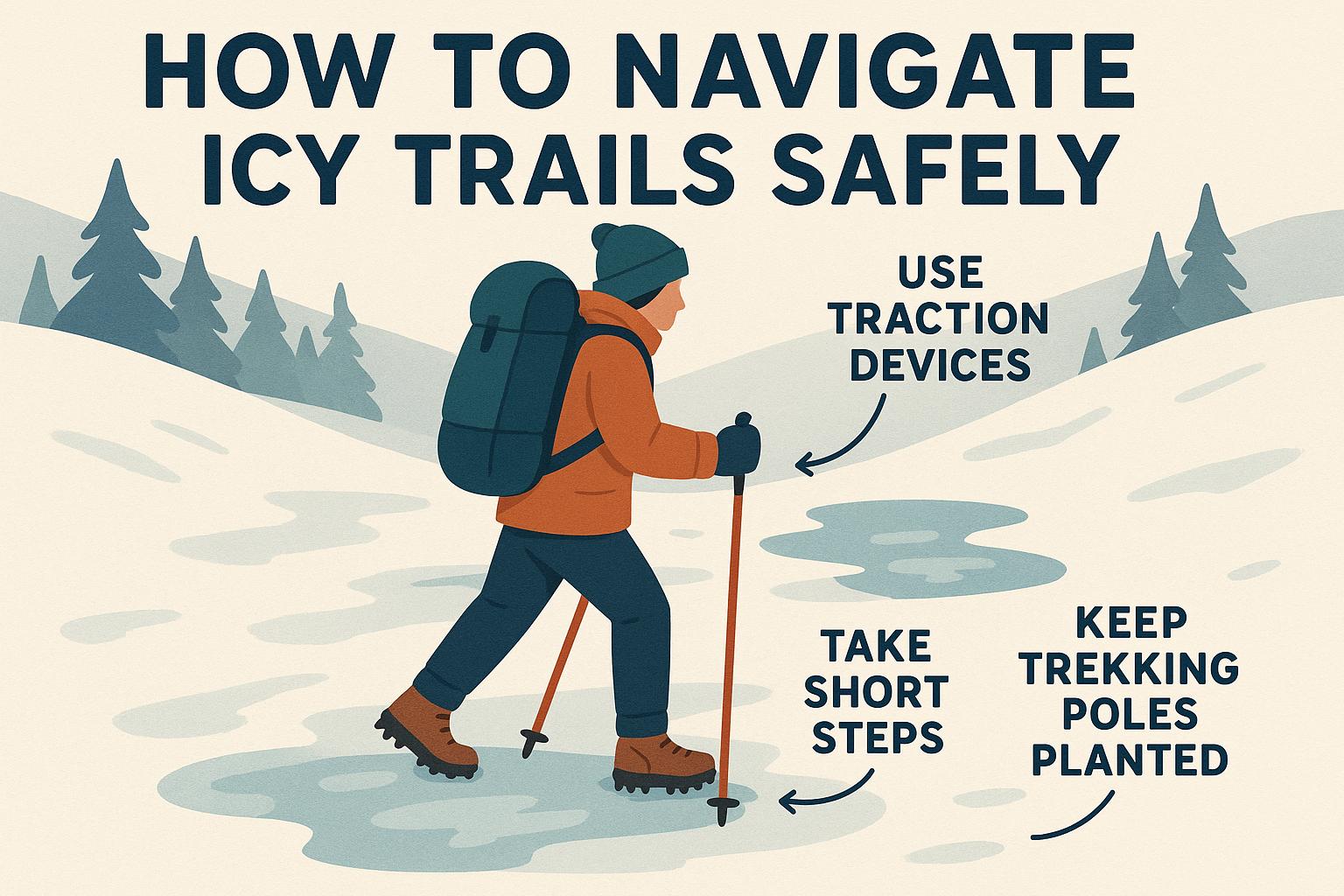
Footwear plays a crucial role when navigating icy terrains, and selecting the right pair substantially impacts your experience. Opt for boots that offer good insulation and waterproof properties, ensuring comfort and warmth despite harsh conditions. For enhanced grip, crampons or microspikes can be attached to the soles of your boots. These devices significantly increase traction, reducing the likelihood of slipping on icy patches.
Another consideration is the fit and quality of the footwear; ill-fitted boots can cause discomfort and hinder your ability to walk safely and naturally. Investing in durable and sturdy boots designed specifically for winter conditions is advisable for anyone who frequently treks on icy trails.
Using Trekking Poles
Trekking poles are an invaluable asset for anyone braving icy paths. They provide additional stability and support, significantly reducing the risk of falls and ensuring balance. Trekking poles are particularly useful when ascending or descending slopes covered with ice and snow. Ensure that your poles are equipped with baskets; these prevent the poles from slipping between gaps in dense, packed snow.
Additionally, proper usage of trekking poles can help distribute weight evenly and lessen the strain on your joints, which can be particularly beneficial during lengthy hikes on challenging terrain. Adjust the length of your poles to suit the trail’s incline and your height for maximum ergonomic benefit.
Trail Etiquette and Safety Measures
Maintaining awareness of other trail users is an important part of ensuring a safe hiking experience. Icy trails can often be narrow, requiring hikers to show consideration and patience by allowing others to pass and maintaining a safe distance. Clear communication and signaling your intentions can prevent unnecessary accidents and foster an atmosphere of mutual respect among hikers.
When faced with particularly difficult sections of the trail, it is always advisable to prioritize safety and turn back if conditions appear too unsafe to proceed. Recognizing your limits and the unpredictability of the environment protects not only you but also sets a good example for others venturing onto the trail.
Carrying Essential Gear
Exploring icy trails necessitates carrying essential gear to handle potential emergencies that may arise. A well-equipped backpack is crucial and might include the following components:
– First aid kit: To promptly address minor injuries that could occur during the hike.
– Navigation tools: Such as a map, compass, or GPS device to ensure you stay on the correct path.
– Extra clothing: Multiple layers that can be added or removed to protect against sudden temperature fluctuations.
– Food and water: Essential for maintaining energy levels and hydration, keeping your body fueled for the physical demands of hiking.
Equipment such as headlamps or flashlights, with spare batteries, can also be invaluable for ensuring visibility if your hike extends into dusk or night-time conditions. Consider including a whistle or another signal device in case of emergency situations.
Communication and Awareness
It is prudent to inform someone not on the hike of your plans, including the expected return time and trail route, especially if venturing into more isolated areas. Carry a mobile phone that is fully charged; however, be aware that some trails may have limited or no connectivity. In these instances, having an understanding of your environment and awareness of designated landmarks can be especially useful.
Should you become stranded, knowing some basic survival skills and having the appropriate gear can make a significant difference. Understanding how to construct a temporary shelter from available materials or starting a safe fire can prove pivotal while waiting for help.
For further details on winter hiking safety, you may want to consult local outdoor associations or hiking groups, which frequently provide resources and guides for trail navigation during winter months. These groups can also offer valuable community support and opportunities for networking with other hiking enthusiasts.
Conclusion
By preparing adequately and understanding the unique challenges presented by icy trails, outdoor enthusiasts can enjoy a rewarding and safe hiking experience. Remaining vigilant, adhering to safety protocols, and respecting the unpredictable nature of the environment are key components to effectively navigating icy landscapes. Taking time to prepare adequately, choosing appropriate gear, and maintaining a respectful etiquette will greatly enhance your journey, allowing you to embrace the winter wilderness with confidence and joy.