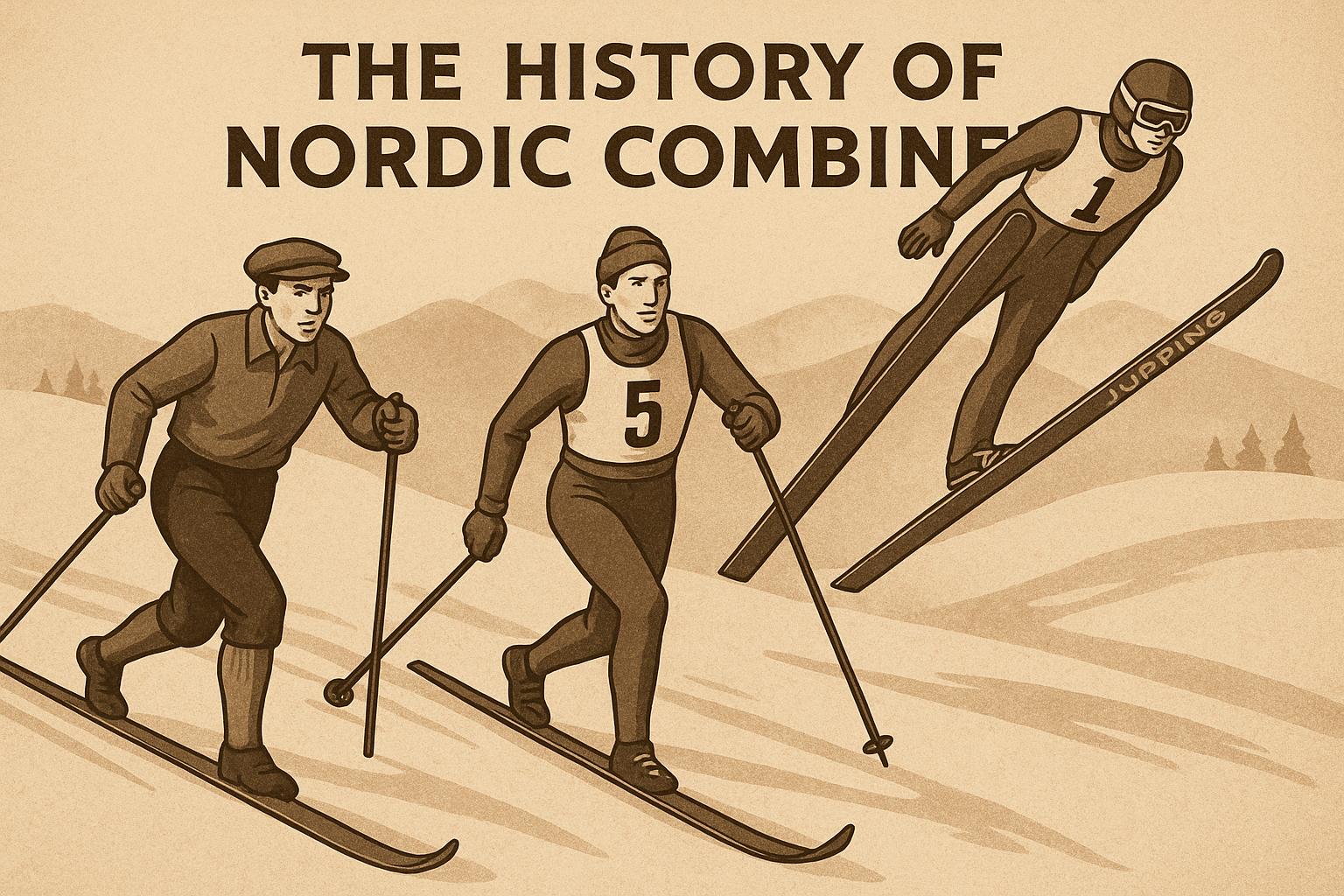
Introduction to Nordic Combined
Nordic Combined is a fascinating winter sport that integrates the seemingly disparate disciplines of ski jumping and cross-country skiing. This unique amalgamation requires athletes to master not just one, but two distinct areas of expertise to achieve success. Its history is reflective of the broader historical context of winter sports and the innovations that have shaped competitive skiing over the years. Understanding Nordic Combined requires a look at its origins, evolution, and the structural changes that have occurred over time.
Early Beginnings
The roots of Nordic Combined can be traced back to Norway, a country where skiing historically served as a practical mode of traversing snow-covered terrains. By the late 19th century, skiing competitions started to gain popularity, which led to the creation of events that seamlessly blended ski jumping with cross-country skiing. The Holmenkollen Ski Festival, a renowned event held in Oslo, Norway, was one of the pioneering platforms for Nordic Combined, playing a critical role in embedding this sport within the broader culture of winter sports.
The First Organized Competitions
The inauguration of organized competitions for Nordic Combined can be pinpointed to 1892 with the Holmenkollen Ski Festival hosting these groundbreaking events. These competitions were instrumental not only in shaping the initial rules and structures of the sport but also in setting the stage for the future of international competitions. The success of the early events at Holmenkollen laid a strong foundation for the sport’s expansion and eventual inclusion in prominent sporting arenas worldwide.
Olympic Integration
Nordic Combined made its grand debut at the Winter Olympic Games in 1924, held in Chamonix, France, cementing its place as a staple feature of the event. Across various editions of the Winter Olympics, the sport witnessed numerous evolutions in format, aligning with the advancement of athletic standards and competitive practices. The sport’s inclusion in such a prestigious international event enhanced its visibility and encouraged the cultivation of talent on a global scale.
Changes in Competition Formats
The sport of Nordic Combined has seen numerous modifications to its competition formats over time. Originally, the events were organized using a fixed point system that included a single ski jump coupled with a 15-kilometer cross-country skiing leg. Today, the format more commonly involves one ski jump and a 10-kilometer cross-country race. The Gundersen method, which determines starting times based on jumping scores, was instituted to ensure fair competition while maintaining the sport’s excitement and spectator appeal. These adjustments were crucial in keeping the sport relevant and accessible to athletes and audiences alike.
Growth and Global Reach
Initially, Nordic Combined witnessed domination from Scandinavian countries during its formative years. However, as the sport developed, it expanded its reach across the globe. Today, several countries outside Scandinavia, including Germany, Finland, and Austria, are strong competitors on the international stage. International skiing federations have made concerted efforts to stimulate the growth of Nordic Combined in North America and Asia, further enhancing its global presence and popularity. These efforts have successfully diversified the sport, bringing it a myriad of new fans and participants.
Women’s Participation
For many years, Nordic Combined was an exclusively male-dominated sport. However, the turn of the 21st century ushered in a new era of inclusivity with the introduction of women’s competitions. This change was emblematic of a broader movement toward gender equality in sports. The first Women’s Nordic Combined World Cup, held during the 2020-2021 season, was a landmark achievement for female athletes, reflecting the sport’s adaptability and dedication to inclusivity.
Conclusion
Nordic Combined stands out as an extraordinary and challenging sport that requires a unique combination of athletic skills. The rich history of Nordic Combined is indicative of the deep-rooted appeal of winter sports, which combines long-standing traditions with contemporary competitiveness. As time progresses and new talents rise through the ranks, Nordic Combined is poised to maintain and possibly expand its prominence within the realm of international winter sports competitions. Enthusiasts and aspiring athletes alike can benefit from the myriad events and organizations globally that remain dedicated to nurturing and promoting this dynamic sport. The sport’s ability to adapt and grow with the times will no doubt contribute to its vitality and relevance in years to come.