Introduction
Hockey is more than just a sport in Canada; it has become a deeply ingrained element of the nation’s cultural identity. The sport has been an essential part of Canadian life for over a century, affecting its communities, history, and national pride. This article delves into the cultural significance of hockey in Canada, examining its impact on society and how it has become interwoven into the very fabric of Canadian culture.
Historical Background
The origins of hockey in Canada stretch back to the 19th century when outdoor winter activities were a practical way to stay active during the long, harsh winters. The first recorded indoor hockey game took place in Montreal in 1875, marking the nascent stage of organized hockey within the country. Over time, the sport’s appeal widened, cutting across regional and community boundaries, eventually establishing itself as a unifying force for Canadians. The structured nature of the early games gave way to local leagues and competitions, and by the early 20th century, hockey was well on its way to becoming Canada’s national pastime.
Developing National Identity
As Canada matured into an independent nation, hockey played an instrumental role in shaping its emerging identity. The sport resonated deeply with Canadian values such as tenacity, teamwork, and resilience. Such ideals found a fitting representation in the strategy and spirit of the game. For many Canadians, international competitions like the Winter Olympics and the World Cup of Hockey provided not only entertainment but a chance to watch their compatriots excel on the world stage. The triumphs and challenges experienced by national teams in these arenas reinforced national unity and pride, reflecting back on the country’s collective consciousness through each puck dropped and goal scored.
Impact on Canadian Society
The influence of hockey extends far beyond the confines of the ice rink, playing a vital part in societal integration across Canada. It fosters social interaction, encourages physical activity, and helps build tighter community bonds. In numerous towns and cities, the local hockey rink isn’t just a venue for games but serves as a community hub, hosting social events and gatherings that bring people together. This central role that hockey plays in the everyday lives of Canadians serves to strengthen social ties, acting as a cornerstone of community spirit and engagement.
Economic Contributions
The economic impacts of hockey in Canada are substantial, reaching various facets of the economy. Hockey represents a multi-billion-dollar industry that includes revenue from local arenas, minor leagues, and professional teams. The National Hockey League (NHL), boasting seven Canadian teams, is an economic powerhouse, generating employment opportunities, attracting tourism, and capturing media attention. Additionally, hockey supports numerous ancillary industries, including sports equipment manufacturing, broadcasting, and hospitality. These industries benefit from the ongoing demand for hockey-related products and services, thus reinforcing the sport’s economic vitals within the national framework.
Cultural and Literary Influence
Beyond the rink and economic contributions, hockey has cemented its place within Canadian art and literature. The sport has been the focal point of numerous books, films, and documentaries, each exploring the depth of hockey’s cultural significance. Authors and filmmakers frequently use hockey as a backdrop to articulate broader themes of personal growth, community solidarity, and the quintessential Canadian experience, thereby further embedding the sport within Canada’s cultural legacy.
Representation in Art
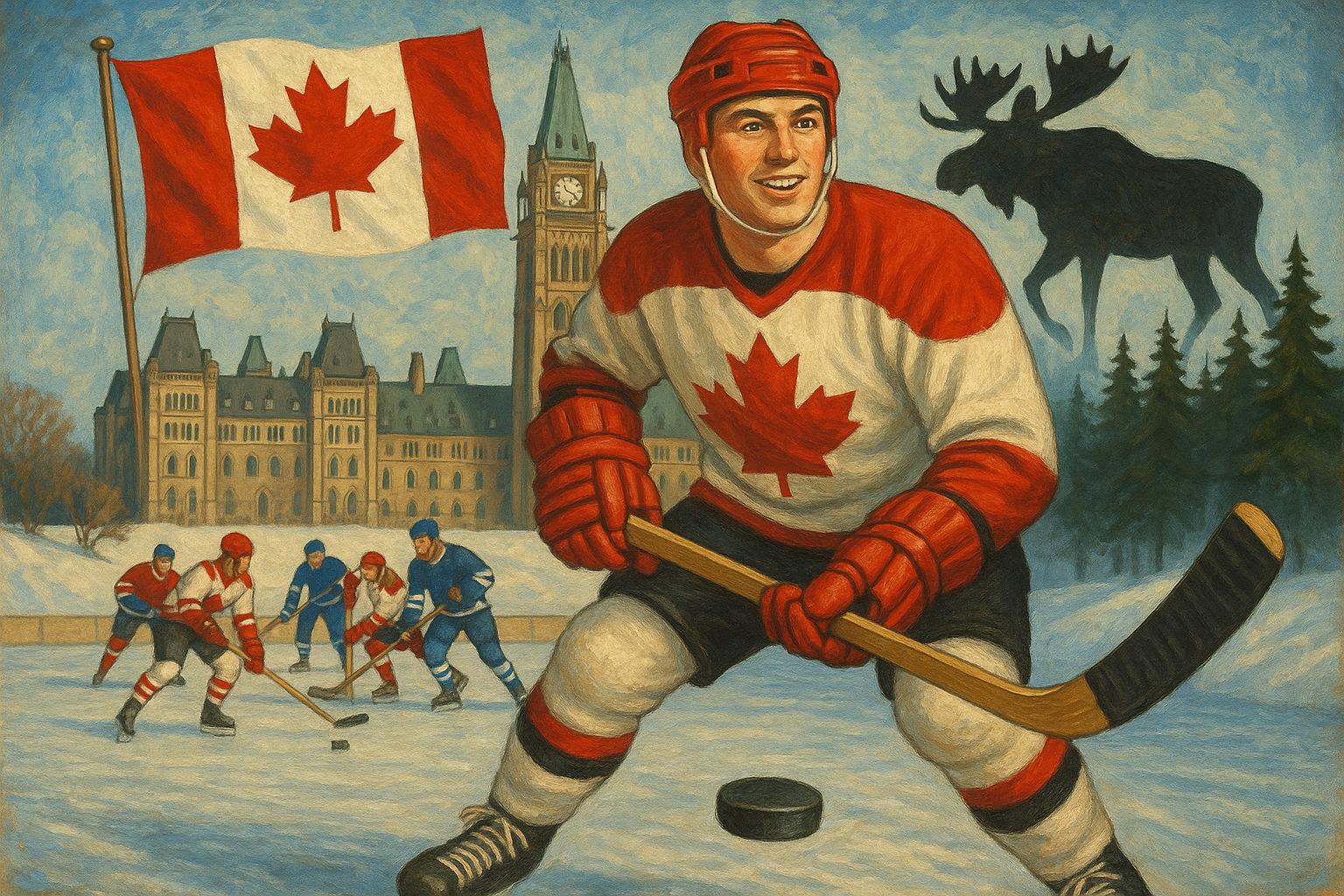
Artists in Canada have long captured the essence of hockey through various art forms such as paintings, sculptures, and photography. Pieces celebrating the sport’s beauty and its intense dynamics now form part of Canada’s artistic heritage. Iconic depictions of hockey players and significant moments have become visual symbols of national pride and nostalgia, often evoking a collective memory that reinforces hockey’s role as more than just a sporting event but a part of the nation’s artistic narrative.
Educational and Developmental Role
Hockey’s role in Canada transcends entertainment, playing an integral part in the educational and developmental fabric for the youth. Participation in hockey extends beyond physical fitness, serving as a conduit for teaching essential life skills like teamwork, leadership, and discipline. Across the country, various programs encourage young people to get involved in hockey, promoting both mental and physical well-being. They focus on building not just athletes, but well-rounded individuals ready to tackle diverse challenges.
Inclusivity and Diversity
In recent years, significant efforts have been made to align hockey more closely with Canada’s inherent diversity. Initiatives geared at making hockey accessible to all Canadians, regardless of ethnicity, gender, or socio-economic background, have emerged across the nation. These efforts aim to break down barriers to entry, ensuring that the playing field expands to reflect the broad diversity of Canadian society. Programs dedicated to fostering inclusivity work towards making hockey a truly national sport, where opportunities to play are available to everyone.
Conclusion
Hockey’s cultural significance in Canada transcends mere sport. It is a profound symbol of national pride, a vessel for communities to unite, and an echo of the Canadian ethos. Its reach permeates every conceivable aspect of life in Canada, embodying why it remains an indispensable part of the country’s identity. The sport continues to evolve, and with it, the love and respect Canadians have for hockey only grow, ensuring its place at the heart of Canadian culture for generations to come. Through the stories told, the economic impacts felt, and the joy shared on and off the ice, hockey will remain integral to Canada’s national narrative.