The cultural significance of hockey in Canada.

The cultural significance of hockey in Canada.

Introduction

Hockey is more than just a sport in Canada; it has become a deeply ingrained element of the nation’s cultural identity. The sport has been an essential part of Canadian life for over a century, affecting its communities, history, and national pride. This article delves into the cultural significance of hockey in Canada, examining its impact on society and how it has become interwoven into the very fabric of Canadian culture.

Historical Background

The origins of hockey in Canada stretch back to the 19th century when outdoor winter activities were a practical way to stay active during the long, harsh winters. The first recorded indoor hockey game took place in Montreal in 1875, marking the nascent stage of organized hockey within the country. Over time, the sport’s appeal widened, cutting across regional and community boundaries, eventually establishing itself as a unifying force for Canadians. The structured nature of the early games gave way to local leagues and competitions, and by the early 20th century, hockey was well on its way to becoming Canada’s national pastime.

Developing National Identity

As Canada matured into an independent nation, hockey played an instrumental role in shaping its emerging identity. The sport resonated deeply with Canadian values such as tenacity, teamwork, and resilience. Such ideals found a fitting representation in the strategy and spirit of the game. For many Canadians, international competitions like the Winter Olympics and the World Cup of Hockey provided not only entertainment but a chance to watch their compatriots excel on the world stage. The triumphs and challenges experienced by national teams in these arenas reinforced national unity and pride, reflecting back on the country’s collective consciousness through each puck dropped and goal scored.

Impact on Canadian Society

The influence of hockey extends far beyond the confines of the ice rink, playing a vital part in societal integration across Canada. It fosters social interaction, encourages physical activity, and helps build tighter community bonds. In numerous towns and cities, the local hockey rink isn’t just a venue for games but serves as a community hub, hosting social events and gatherings that bring people together. This central role that hockey plays in the everyday lives of Canadians serves to strengthen social ties, acting as a cornerstone of community spirit and engagement.

Economic Contributions

The economic impacts of hockey in Canada are substantial, reaching various facets of the economy. Hockey represents a multi-billion-dollar industry that includes revenue from local arenas, minor leagues, and professional teams. The National Hockey League (NHL), boasting seven Canadian teams, is an economic powerhouse, generating employment opportunities, attracting tourism, and capturing media attention. Additionally, hockey supports numerous ancillary industries, including sports equipment manufacturing, broadcasting, and hospitality. These industries benefit from the ongoing demand for hockey-related products and services, thus reinforcing the sport’s economic vitals within the national framework.

Cultural and Literary Influence

Beyond the rink and economic contributions, hockey has cemented its place within Canadian art and literature. The sport has been the focal point of numerous books, films, and documentaries, each exploring the depth of hockey’s cultural significance. Authors and filmmakers frequently use hockey as a backdrop to articulate broader themes of personal growth, community solidarity, and the quintessential Canadian experience, thereby further embedding the sport within Canada’s cultural legacy.

Representation in Art

Artists in Canada have long captured the essence of hockey through various art forms such as paintings, sculptures, and photography. Pieces celebrating the sport’s beauty and its intense dynamics now form part of Canada’s artistic heritage. Iconic depictions of hockey players and significant moments have become visual symbols of national pride and nostalgia, often evoking a collective memory that reinforces hockey’s role as more than just a sporting event but a part of the nation’s artistic narrative.

Educational and Developmental Role

Hockey’s role in Canada transcends entertainment, playing an integral part in the educational and developmental fabric for the youth. Participation in hockey extends beyond physical fitness, serving as a conduit for teaching essential life skills like teamwork, leadership, and discipline. Across the country, various programs encourage young people to get involved in hockey, promoting both mental and physical well-being. They focus on building not just athletes, but well-rounded individuals ready to tackle diverse challenges.

Inclusivity and Diversity

In recent years, significant efforts have been made to align hockey more closely with Canada’s inherent diversity. Initiatives geared at making hockey accessible to all Canadians, regardless of ethnicity, gender, or socio-economic background, have emerged across the nation. These efforts aim to break down barriers to entry, ensuring that the playing field expands to reflect the broad diversity of Canadian society. Programs dedicated to fostering inclusivity work towards making hockey a truly national sport, where opportunities to play are available to everyone.

Conclusion

Hockey’s cultural significance in Canada transcends mere sport. It is a profound symbol of national pride, a vessel for communities to unite, and an echo of the Canadian ethos. Its reach permeates every conceivable aspect of life in Canada, embodying why it remains an indispensable part of the country’s identity. The sport continues to evolve, and with it, the love and respect Canadians have for hockey only grow, ensuring its place at the heart of Canadian culture for generations to come. Through the stories told, the economic impacts felt, and the joy shared on and off the ice, hockey will remain integral to Canada’s national narrative.
The history of Nordic combined events.

The history of Nordic combined events.

Introduction to Nordic Combined

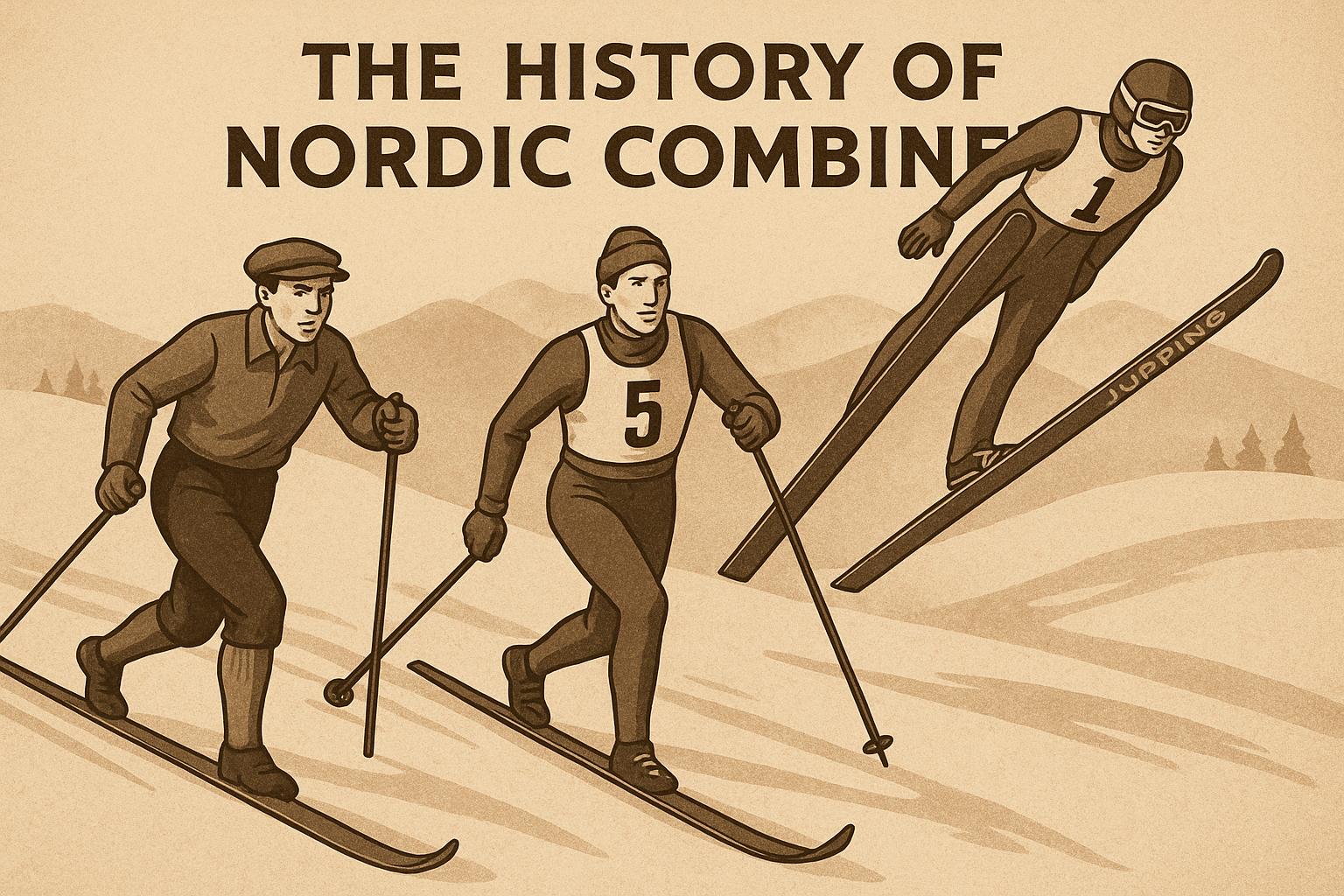
Nordic Combined is a fascinating winter sport that integrates the seemingly disparate disciplines of ski jumping and cross-country skiing. This unique amalgamation requires athletes to master not just one, but two distinct areas of expertise to achieve success. Its history is reflective of the broader historical context of winter sports and the innovations that have shaped competitive skiing over the years. Understanding Nordic Combined requires a look at its origins, evolution, and the structural changes that have occurred over time.

Early Beginnings

The roots of Nordic Combined can be traced back to Norway, a country where skiing historically served as a practical mode of traversing snow-covered terrains. By the late 19th century, skiing competitions started to gain popularity, which led to the creation of events that seamlessly blended ski jumping with cross-country skiing. The Holmenkollen Ski Festival, a renowned event held in Oslo, Norway, was one of the pioneering platforms for Nordic Combined, playing a critical role in embedding this sport within the broader culture of winter sports.

The First Organized Competitions

The inauguration of organized competitions for Nordic Combined can be pinpointed to 1892 with the Holmenkollen Ski Festival hosting these groundbreaking events. These competitions were instrumental not only in shaping the initial rules and structures of the sport but also in setting the stage for the future of international competitions. The success of the early events at Holmenkollen laid a strong foundation for the sport’s expansion and eventual inclusion in prominent sporting arenas worldwide.

Olympic Integration

Nordic Combined made its grand debut at the Winter Olympic Games in 1924, held in Chamonix, France, cementing its place as a staple feature of the event. Across various editions of the Winter Olympics, the sport witnessed numerous evolutions in format, aligning with the advancement of athletic standards and competitive practices. The sport’s inclusion in such a prestigious international event enhanced its visibility and encouraged the cultivation of talent on a global scale.

Changes in Competition Formats

The sport of Nordic Combined has seen numerous modifications to its competition formats over time. Originally, the events were organized using a fixed point system that included a single ski jump coupled with a 15-kilometer cross-country skiing leg. Today, the format more commonly involves one ski jump and a 10-kilometer cross-country race. The Gundersen method, which determines starting times based on jumping scores, was instituted to ensure fair competition while maintaining the sport’s excitement and spectator appeal. These adjustments were crucial in keeping the sport relevant and accessible to athletes and audiences alike.

Growth and Global Reach

Initially, Nordic Combined witnessed domination from Scandinavian countries during its formative years. However, as the sport developed, it expanded its reach across the globe. Today, several countries outside Scandinavia, including Germany, Finland, and Austria, are strong competitors on the international stage. International skiing federations have made concerted efforts to stimulate the growth of Nordic Combined in North America and Asia, further enhancing its global presence and popularity. These efforts have successfully diversified the sport, bringing it a myriad of new fans and participants.

Women’s Participation

For many years, Nordic Combined was an exclusively male-dominated sport. However, the turn of the 21st century ushered in a new era of inclusivity with the introduction of women’s competitions. This change was emblematic of a broader movement toward gender equality in sports. The first Women’s Nordic Combined World Cup, held during the 2020-2021 season, was a landmark achievement for female athletes, reflecting the sport’s adaptability and dedication to inclusivity.

Conclusion

Nordic Combined stands out as an extraordinary and challenging sport that requires a unique combination of athletic skills. The rich history of Nordic Combined is indicative of the deep-rooted appeal of winter sports, which combines long-standing traditions with contemporary competitiveness. As time progresses and new talents rise through the ranks, Nordic Combined is poised to maintain and possibly expand its prominence within the realm of international winter sports competitions. Enthusiasts and aspiring athletes alike can benefit from the myriad events and organizations globally that remain dedicated to nurturing and promoting this dynamic sport. The sport’s ability to adapt and grow with the times will no doubt contribute to its vitality and relevance in years to come.

How to navigate icy trails safely.

How to navigate icy trails safely.

Understanding the Challenges of Icy Trails

Navigating icy trails demands both preparation and awareness of potential hazards that might be encountered along the way. When underfoot conditions are challenging, it becomes vital to exercise caution to ensure safety, not only for oneself but for other trail users as well. Various factors contribute to the complexities and risks associated with icy trails, such as temperature fluctuations, trail inclines, and existing snow cover.

Assessing Weather Conditions

Before setting out on an icy trail, it is important to check the local weather forecast. Understanding the forecast helps in anticipating any changes likely to affect the icy conditions. Sudden weather shifts, particularly rain followed by a cold snap, can significantly modify the trail’s safety. Reliable sources for accurate weather predictions include meteorological websites and specialized local hiking forums where you can access firsthand updates from seasoned hikers.

Being aware of the expected weather conditions aids in strategizing both the trail choice and duration of your venture. Knowing upcoming weather patterns can help in determining the appropriate trail for your skills and in selecting the right gear needed for a safe trek.

Choosing Appropriate Footwear

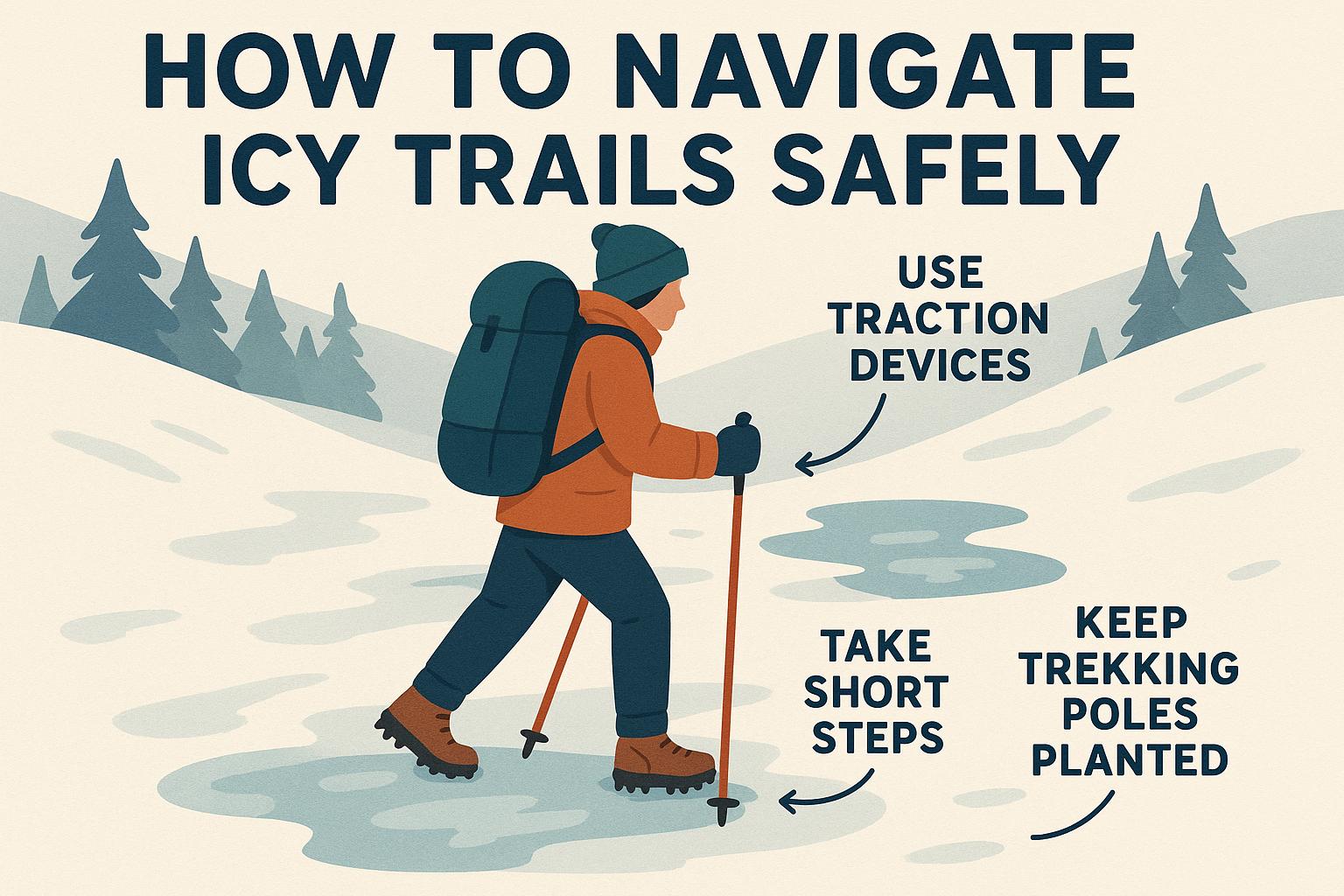
Footwear plays a crucial role when navigating icy terrains, and selecting the right pair substantially impacts your experience. Opt for boots that offer good insulation and waterproof properties, ensuring comfort and warmth despite harsh conditions. For enhanced grip, crampons or microspikes can be attached to the soles of your boots. These devices significantly increase traction, reducing the likelihood of slipping on icy patches.

Another consideration is the fit and quality of the footwear; ill-fitted boots can cause discomfort and hinder your ability to walk safely and naturally. Investing in durable and sturdy boots designed specifically for winter conditions is advisable for anyone who frequently treks on icy trails.

Using Trekking Poles

Trekking poles are an invaluable asset for anyone braving icy paths. They provide additional stability and support, significantly reducing the risk of falls and ensuring balance. Trekking poles are particularly useful when ascending or descending slopes covered with ice and snow. Ensure that your poles are equipped with baskets; these prevent the poles from slipping between gaps in dense, packed snow.

Additionally, proper usage of trekking poles can help distribute weight evenly and lessen the strain on your joints, which can be particularly beneficial during lengthy hikes on challenging terrain. Adjust the length of your poles to suit the trail’s incline and your height for maximum ergonomic benefit.

Trail Etiquette and Safety Measures

Maintaining awareness of other trail users is an important part of ensuring a safe hiking experience. Icy trails can often be narrow, requiring hikers to show consideration and patience by allowing others to pass and maintaining a safe distance. Clear communication and signaling your intentions can prevent unnecessary accidents and foster an atmosphere of mutual respect among hikers.

When faced with particularly difficult sections of the trail, it is always advisable to prioritize safety and turn back if conditions appear too unsafe to proceed. Recognizing your limits and the unpredictability of the environment protects not only you but also sets a good example for others venturing onto the trail.

Carrying Essential Gear

Exploring icy trails necessitates carrying essential gear to handle potential emergencies that may arise. A well-equipped backpack is crucial and might include the following components:

First aid kit: To promptly address minor injuries that could occur during the hike.
Navigation tools: Such as a map, compass, or GPS device to ensure you stay on the correct path.
Extra clothing: Multiple layers that can be added or removed to protect against sudden temperature fluctuations.
Food and water: Essential for maintaining energy levels and hydration, keeping your body fueled for the physical demands of hiking.

Equipment such as headlamps or flashlights, with spare batteries, can also be invaluable for ensuring visibility if your hike extends into dusk or night-time conditions. Consider including a whistle or another signal device in case of emergency situations.

Communication and Awareness

It is prudent to inform someone not on the hike of your plans, including the expected return time and trail route, especially if venturing into more isolated areas. Carry a mobile phone that is fully charged; however, be aware that some trails may have limited or no connectivity. In these instances, having an understanding of your environment and awareness of designated landmarks can be especially useful.

Should you become stranded, knowing some basic survival skills and having the appropriate gear can make a significant difference. Understanding how to construct a temporary shelter from available materials or starting a safe fire can prove pivotal while waiting for help.

For further details on winter hiking safety, you may want to consult local outdoor associations or hiking groups, which frequently provide resources and guides for trail navigation during winter months. These groups can also offer valuable community support and opportunities for networking with other hiking enthusiasts.

Conclusion

By preparing adequately and understanding the unique challenges presented by icy trails, outdoor enthusiasts can enjoy a rewarding and safe hiking experience. Remaining vigilant, adhering to safety protocols, and respecting the unpredictable nature of the environment are key components to effectively navigating icy landscapes. Taking time to prepare adequately, choosing appropriate gear, and maintaining a respectful etiquette will greatly enhance your journey, allowing you to embrace the winter wilderness with confidence and joy.

The popularity of fat biking on snow.

The popularity of fat biking on snow.

The Rise of Fat Biking on Snow

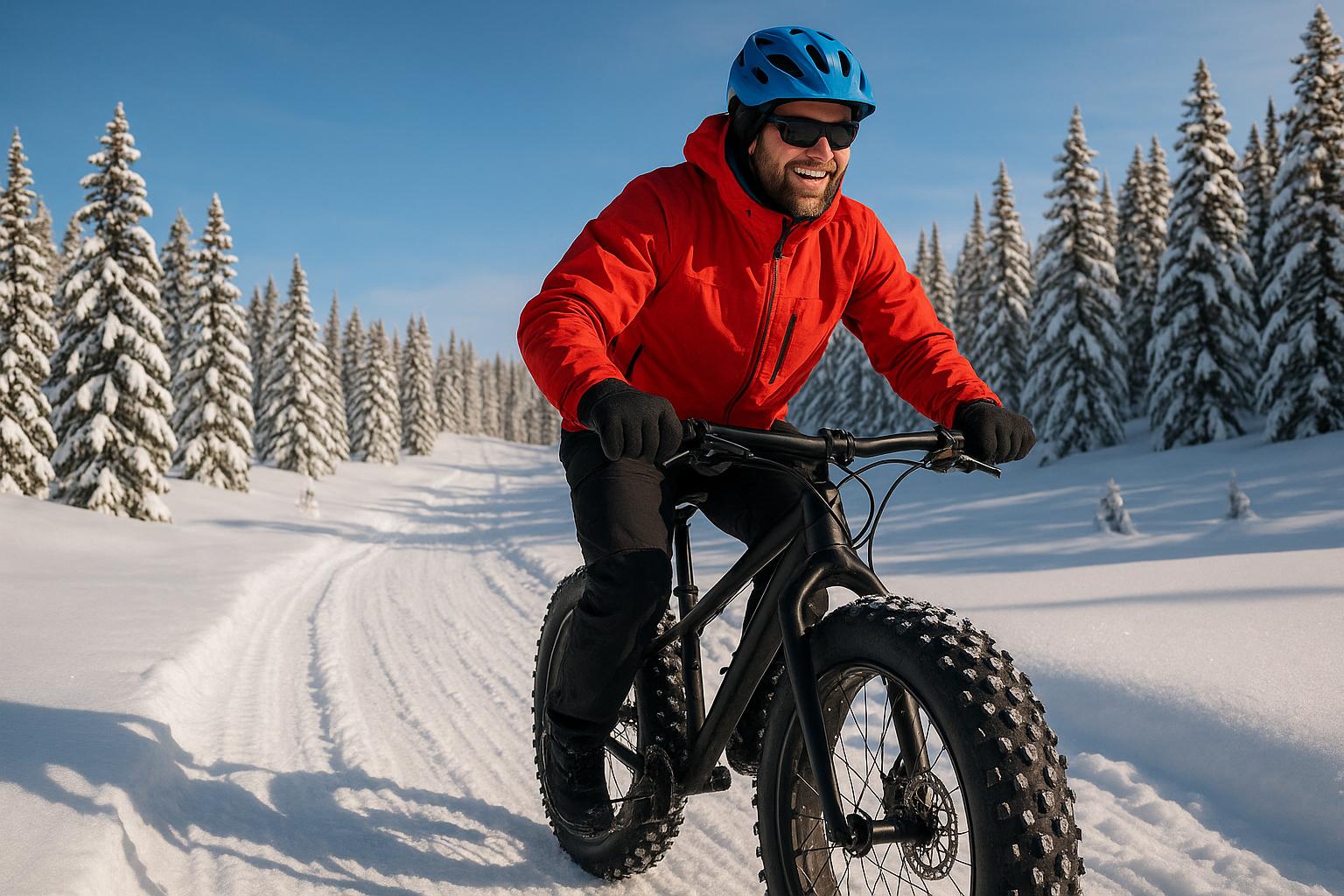
Fat biking on snow has seen a significant increase in popularity over the past decade. This outdoor winter activity combines the thrill of mountain biking with the unique challenges and beauty of snow-covered landscapes. As cold weather creates a backdrop of pristine white terrain, enthusiasts find a captivating mix of exercise and exploration, provided through the distinct advantages of a specialized bicycle.

What Are Fat Bikes?

Fat bikes are specifically designed bicycles featuring oversized tires, typically ranging from 3.8 to 5 inches in width. These wider tires impart a noticeable difference in performance when it comes to traversing snowy and icy conditions. Unlike traditional bicycles that are equipped with narrower tires, fat bikes are engineered to provide greater stability and adherence. The substantial width allows the bike to “float” on top of the snow rather than sinking into it. The design emphasis here is twofold – giving the rider enhanced balance and enabling navigation of complex trails often found in snowy conditions. When coupled with low tire pressure, the bike maintains superior contact with the surface, allowing it to glide over snow-covered grounds where conventional bikes would struggle or fail.

Reasons for Popularity

Several factors contribute to the growing popularity of fat biking on snow. Firstly, it provides an inclusive year-round outdoor riding option, which is crucial for cycling enthusiasts frustrated by the seasonal interruptions caused by inclement weather. The advent of fat biking ensures that cycling can continue even during the winter months when traditional biking might be stifled due to snow or ice. Secondly, beyond recreational appeal, fat biking serves as an excellent cardiovascular workout. It engages a large group of muscles while testing endurance, comparable to other winter sports like cross-country skiing.

Additionally, there is an undeniable novelty factor that attracts both seasoned cyclists and newcomers. The allure of seeing familiar trails transformed by snow, coupled with the unspoiled beauty of winterscapes, is enticing to many. Large snowflakes dancing around while maneuvering through tranquil, snow-laden forests offers a unique sensory experience that is rare in other sports.

Equipment and Gear

Enjoying fat biking on snow does require special gear. Central to this is, of course, the fat bike itself, whose design uniquely supports the activity’s demands. Beyond the bike, wearing the right clothing becomes essential. Riders should opt for warm, moisture-wicking attire to ensure comfort and to prevent hypothermia or discomfort that can result from sweat chilling on the skin. Insulated gloves are also vital to protect hands against the bitter cold, as they bear the brunt of wind exposure while riding. Helmets, crucial for safety, should generally be insulated to offer enhanced protection against low temperatures. Additionally, some cyclists choose clipless pedals and winter-specific cycling boots, which reinforce both efficiency in pedaling and the preservation of warmth in extremities, areas which often suffer most from the cold.

Popular Fat Biking Destinations

Through North America and Europe, a range of destinations has built reputations as fat biking hotspots, making use of their picturesque winter climates. In the United States, Maine, Wisconsin, and Colorado are leading the charge—these locales offer a mix of rugged beauty and well-constructed trails tailored for fat biking. They serve as excellent venues where riders can test both their ability and their endurance against the backdrop of stunning, snow-drenched settings.

Meanwhile, Europe offers equally compelling options. Norway and Finland have positioned themselves as prime destinations for those wanting to experience Arctic conditions. Here, the appeal lies in the ability to journey across sweeping, icy landscapes while catching glimpses of breathtaking natural wonders, such as glimpses of the Northern Lights. The infrastructure supporting fat biking is growing rapidly, with trails and facilities being adapted regularly. Many ski resorts and national parks have begun converting existing trails, underscoring a strong commitment to advocate for this budding sport by making it widely accessible and sustainable.

Environmental Impact

Despite its growth and the enthusiasm surrounding fat biking, there are valid environmental considerations that trail organizations must regularly address. To ensure that this sport remains sustainable, it’s crucial that trails are monitored and properly maintained. In many regions, dedicated organizations work collaboratively to establish guidelines that minimize ecological impacts, ensuring that recreational use doesn’t overshadow conservation efforts. By creating an open dialogue between fat bikers and environmentalists, a balance can be achieved where sports and nature conservation can coexist.

Ultimately, fat biking on snow delivers an exhilarating method to explore winter landscapes while promoting physical health and wellness. Its rising popularity suggests ongoing growth, offering fresh opportunities for those in search of winter adventure. Over time, these unique bikes and the community that cherishes them may lead the conversation around not only embracing outdoor pursuits, even in the coldest months, but also about protecting and sustaining the environments that facilitate such enjoyment.