Introduction
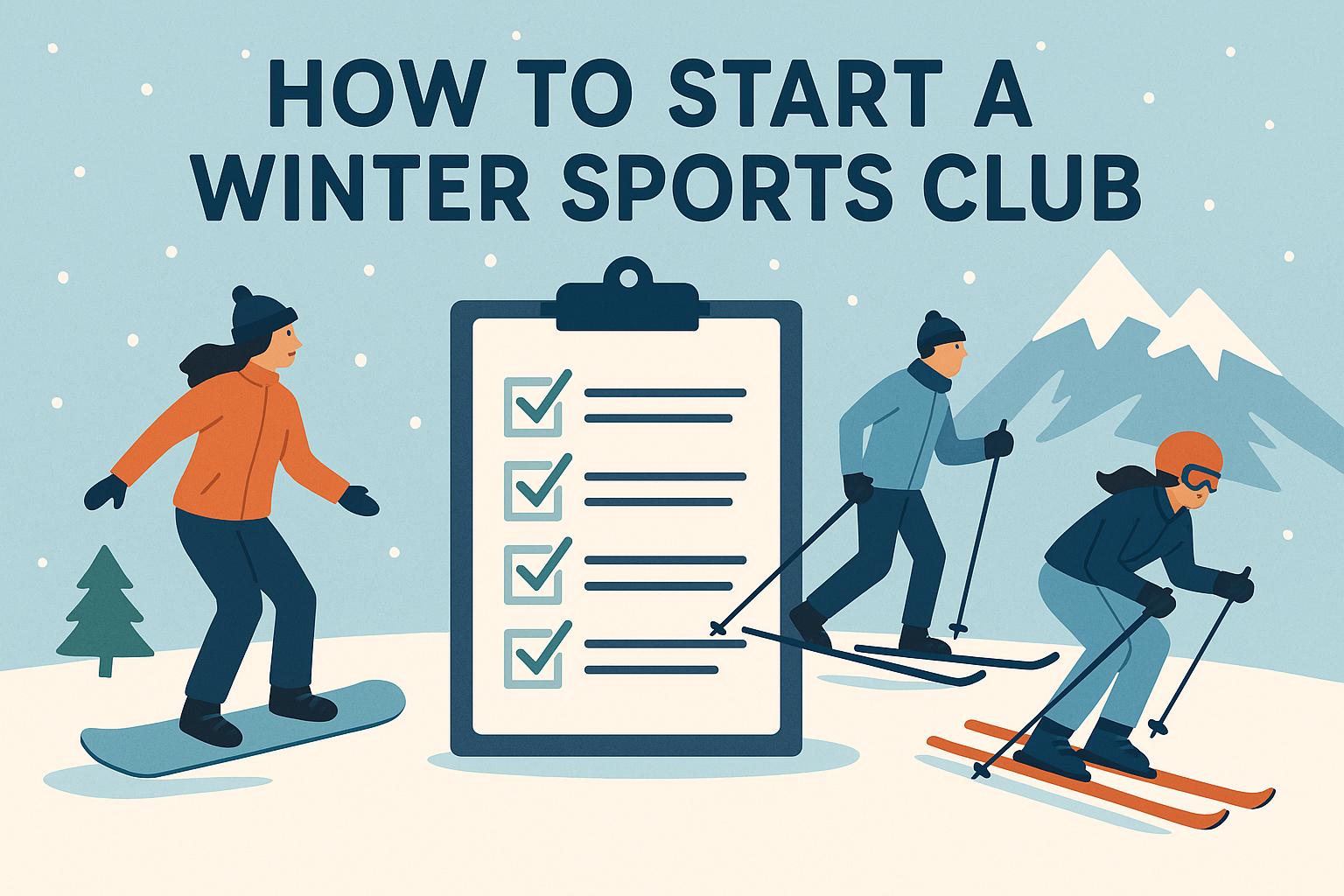
Starting a winter sports club can be an exciting venture for those passionate about outdoor activities like skiing, snowboarding, ice skating, or snowshoeing. This guide aims to provide a structured approach to setting up a winter sports club, discussing necessary steps from planning to execution.
Research and Planning
Before launching your winter sports club, conducting thorough research is crucial. Determine the specific winter sports you want to focus on and understand the demographic you intend to serve. Research existing clubs in your locale to identify what gaps exist in the market and how your club can fill these.
To successfully position your club, understanding the local climate, terrain, and the popularity of different sports is essential. For instance, if skiing is highly popular in your area due to favorable slopes, your club should capitalize on this. Moreover, examining trends in the winter sports industry can provide insights into potential opportunities as well as challenges.
Defining Your Mission and Objectives
Establish a clear mission statement that encapsulates the purpose and goals of your club. This will guide your decision-making and help attract like-minded individuals. Your objectives could include promoting interest in winter sports, organizing events, or offering training sessions. Consider whether your club will cater primarily to beginners, seasoned athletes, or both.
This mission will also inform the type of events you organize, the kind of training programs you develop, and the way you engage with the community. For instance, if your mission includes fostering youth participation, partnering with schools for introductory sessions might be beneficial.
Legal Structure and Registration
Setting up the appropriate legal structure for your club is essential. You might consider registering as a non-profit organization, which may offer tax benefits and help attract donations. Consult with a legal expert to navigate the regulations in your country or state and to assist with necessary paperwork.
The choice between a non-profit and other structures, like a limited liability company or a club association, often depends on long-term objectives. Non-profits can access grants and tax incentives but generally require a board of directors and adherence to strict governance.
Funding and Budgeting
Determine how much capital is needed to start the club and sustain its operations. You may seek funding through membership fees, sponsorships, and grants. Prioritize critical expenses such as equipment, insurance, and venue rentals, and create a realistic budget.
For a sustainable financial model, diversifying income streams is crucial. Besides membership fees, revenue can be generated through merchandise sales, event ticketing, and providing lessons or workshops. Keeping a detailed account of expenses and periodically reviewing the budget can ensure that the club remains financially healthy.
Sponsorship and Partnerships
Secure sponsorships from local businesses or partnerships with sporting goods companies, which can provide financial support or discounts on equipment. Building relationships with local ski resorts or ice rinks can also offer venue discounts or exclusive access.
Engage potential sponsors by showcasing mutual benefits—such as increased brand visibility at events or community goodwill. Similarly, partnerships with other sports organizations might facilitate shared resources or cooperative events that benefit all parties involved.
Recruitment and Membership
Attracting members is essential for the success of your sports club. Use a range of strategies, such as social media marketing, community events, and flyers. Encourage potential members by highlighting the benefits of joining your club, which could include discounts, coaching sessions, or access to exclusive events.
Consider conducting membership drives during local fairs or events where interested parties are already gathered. Personalizing interactions by discussing their interests and how the club can meet those needs often helps in drawing membership interest.
Membership Tiers and Benefits
Consider offering different membership tiers to cater to various involvement levels. Benefits for higher tiers might include priority booking for events, advanced skill workshops, or free merchandise.
This tiered approach not only accommodates varied budgets but also encourages long-term involvement by providing increased value over time. Moreover, members who are deeply engaged often become ambassadors for the club, promoting growth through word-of-mouth.
Facilities and Equipment
Arrange for the necessary facilities and equipment for your chosen winter sports. This may involve rental agreements with sports complexes or the purchase of gear like skis, snowboards, or ice skates. Ensure all equipment is maintained to high safety standards.
Seek venues that are easily accessible for your intended members. Ensuring the availability of transport or shuttle services can enhance participation, especially among those who do not drive.
Insurance and Safety Measures
Implement comprehensive insurance coverage to protect against accidents and liabilities. Establish safety protocols and emergency response plans. Providing members with training on safe practice is also essential.
Safety training sessions can include basic first aid or specialized training relevant to your sport—such as avalanche safety for ski clubs. Regular safety audits and equipment checks ensure that standards are maintained, thereby minimizing risks.
Program Development and Event Planning
Design programs that cater to different skill levels, from beginner to advanced. Regularly organize events and competitions to engage members and the local community. Offer skill-building workshops or guest speaker sessions to enhance the club’s value proposition.
Evaluating the feedback from participants post-event helps refine future programs, making them more tailored to the membership’s interests and needs.
Seasonal Considerations
Plan activities around favorable weather conditions and local seasonal events. For year-round engagement, consider cross-training opportunities or indoor activities when winter sports are not feasible.
For example, offer indoor skating lessons or dry land training workshops during off-seasons to maintain member engagement and fitness.
Marketing and Promotion
Develop a robust marketing plan leveraging both online and offline channels. Build a website for your club that includes a calendar of events, member testimonials, and an online registration system. Social media platforms can help maintain engagement and promote events.
Utilizing local community boards or newsletters can also penetrate demographics less engaged in digital platforms. Regular updates and engaging content on social media keep current members informed and attract potential ones.
Community Outreach
Focus on community involvement by volunteering at local events or collaborating with schools to introduce youngsters to winter sports. Building a strong community presence can help grow membership and foster goodwill.
Consider organizing community open days where non-members can experience sports firsthand. This not only supports recruitment efforts but also strengthens ties with local residents and organizations.
Conclusion
Starting a winter sports club requires a blend of strategic planning, community engagement, and a passion for the sports you promote. By following the outlined steps, you can create a successful club that caters to enthusiasts and newcomers alike, fostering a vibrant community centered around winter sports. With careful execution, your winter sports club can be a hub for the community, driving the sports’ growth and creating lasting memories for its members.