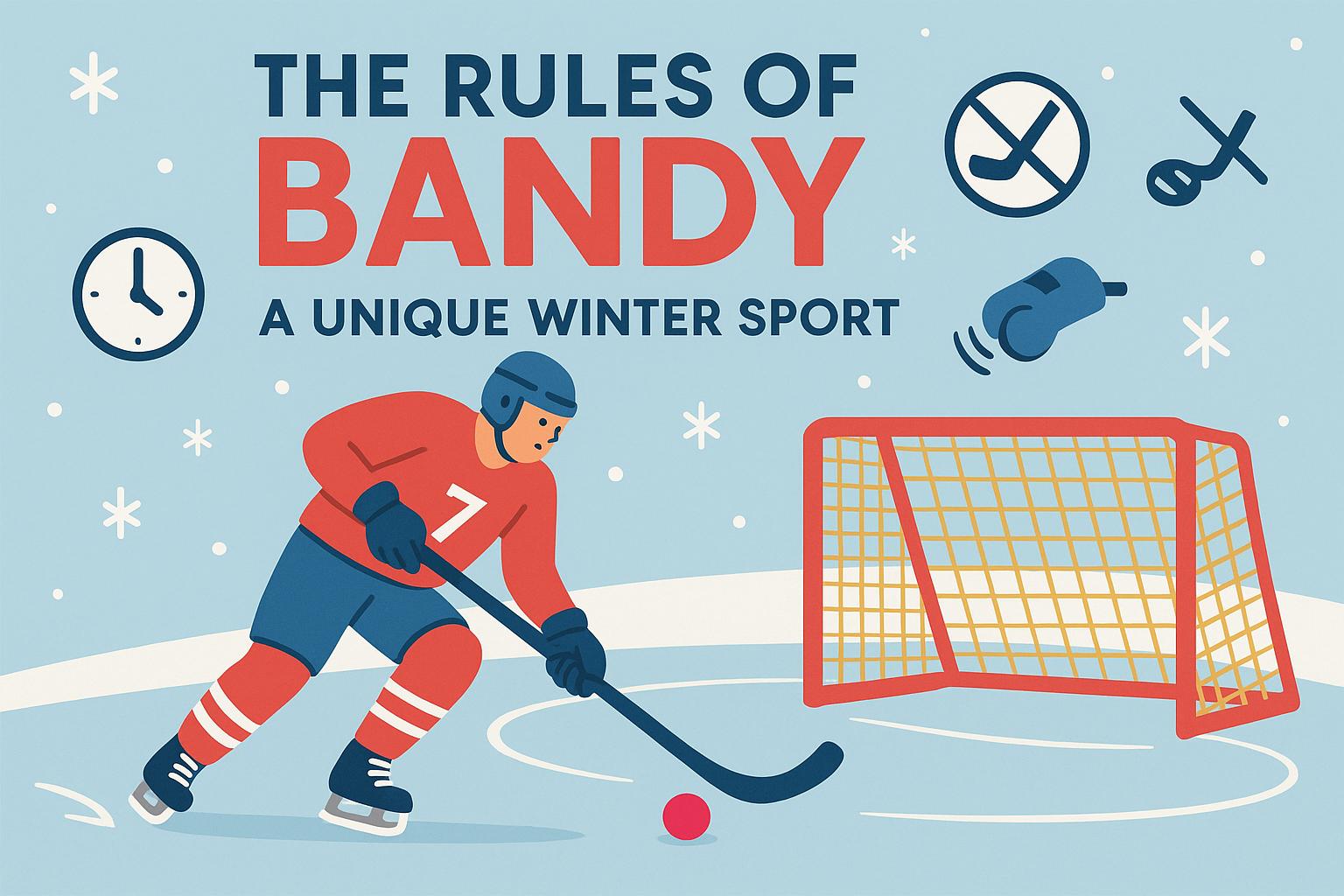
The Essence of Bandy: An Overview
Bandy is a winter sport played on ice, distinguished by its use of a ball rather than the puck commonly associated with ice hockey. Governed by a unique set of rules, it represents a fascinating blend of ice hockey and soccer elements, and it is often hailed as a precursor to modern-day ice hockey. This sport enjoys substantial popularity in countries with predominantly cold climates, with Sweden and Russia standing out as bastions of bandy tradition.
The Playing Field
Bandy is played on an expansive ice field that closely mirrors the dimensions of a soccer field. The official size can reach up to 110 meters in length and 70 meters in width. This stretch is meticulously cleared of snow and is marked with lines and areas that bear a distinct resemblance to those on a soccer field, including a center circle, penalty areas, and designated free stroke spots. The sheer size of the bandy rink is a defining aspect of the sport that contributes to its unique gameplay dynamics. It requires players to have not just speed and skill but also significant stamina and a keen sense of strategy.
The Equipment
Players of bandy are equipped with skates and sticks that are specifically designed to handle the nuances of the game. The sticks used in bandy are curved to efficiently control the ball. This ball is small, made with a bright orange hue to ensure it remains visible against the icy backdrop of the rink. Compared to ice hockey, the protective gear in bandy is quite minimal. This lighter gear provides players with greater freedom of movement, allowing them to maneuver swiftly and effectively during gameplay. The reduced bulk of protective equipment also places a premium on skillful play and technique as players must balance offense and defense without the extensive padding seen in other ice sports.
Teams and Players
A bandy team is composed of 11 players, quite similar to a soccer team, including a goalkeeper. This similarity extends to the strategic participation of all team members in both attacking and defending roles during a match. The goalkeeper plays a crucial part in the defensive setup, as they are the last line of protection, using skilled reflexes and sharp observation to prevent opponents from scoring. Each team’s lineup contributing to the game’s strategic depth mirrors the fluid, team-oriented play style associated with soccer, allowing for dynamic shifts between offensive and defensive postures.
Objective and Scoring
The main objective in bandy is simple yet challenging: to score more goals than the opposing team within the given timeframe. Each bandy match is structured in two halves, each lasting 45 minutes, similar in format to a soccer match. Adding a layer of strategic depth reminiscent of soccer, bandy incorporates the offside rule. This rule requires careful positioning and timing by offensive players to maintain their play legality, contributing to a more complex and tactically rich game environment that rewards strategic planning and team coordination over sheer brute force.
Key Rules and Penalties
The rules governing bandy also include a rigourous penalty system, designed to maintain fair and fast-paced gameplay. Penalties are imposed for a range of infractions such as tripping or rough play, and for instances of improper stick use. When a player commits an infraction, common penalties like a 10-minute timeout—where the offending player must exit the ice temporarily or free strokes—are awarded to the opposing team. These rules ensure players remain mindful of their conduct while actively engaging in competitive play. The aim is not just to punish but to encourage a high level of fair play and sportsmanship that keeps the game engaging for participants and spectators alike.
The Unique Role of the Referee
In bandy, the role of the referee is both unique and essential. Referees don skates, much like the players, enabling them to swiftly traverse the expansive rink and maintain proximity to the action. Their responsibility extends beyond simply enforcing the rules—they are tasked with calling offsides, assessing penalties, and overall maintaining the game’s flow and integrity. Referees must possess a deep understanding of the game, exceptional skating abilities, and a fair, unbiased approach to adjudication. Their presence and judgment play a crucial role in upholding the spirit and structure of bandy, ensuring that each match proceeds smoothly.
The Appeal of Bandy
The appeal of bandy lies in its captivating amalgamation of strategic team play and individual skill. The sport’s large playing field, combined with its inventive rules, creates an engaging and dynamic environment where speed, skill, and strategy converge in a harmonious display of athletic talent. While it might not enjoy the same global recognition as ice hockey, bandy holds a cherished place in countries with a rich history and tradition in the sport. This winter pastime stands as a testament to the variety and cultural specificity of sports around the world, offering a unique perspective on team-based ice sports.
For those looking to delve deeper into bandy’s nuances, a wealth of resources are available for further exploration. Interested parties can explore dedicated sports analysis platforms or the official websites of the sport’s governing bodies to gain access to additional information and stay informed about upcoming matches and tournaments. Through these resources, enthusiasts can deepen their understanding of bandy, gaining insights into its development, significant competitions, and the communities that passionately support and promote this enthralling winter sport.