How to prepare for high-altitude winter sports.

How to prepare for high-altitude winter sports.

Understanding High-Altitude Winter Sports

Engaging in high-altitude winter sports requires thorough preparation on multiple fronts. Activities such as skiing, snowboarding, and mountaineering are extremely popular in regions characterized by significant elevation. However, the exhilarating experience is accompanied by the unique challenges posed by the combination of cold weather and high altitude. This necessitates careful planning and preparation to ensure participant safety and enjoyment.

Acclimatization

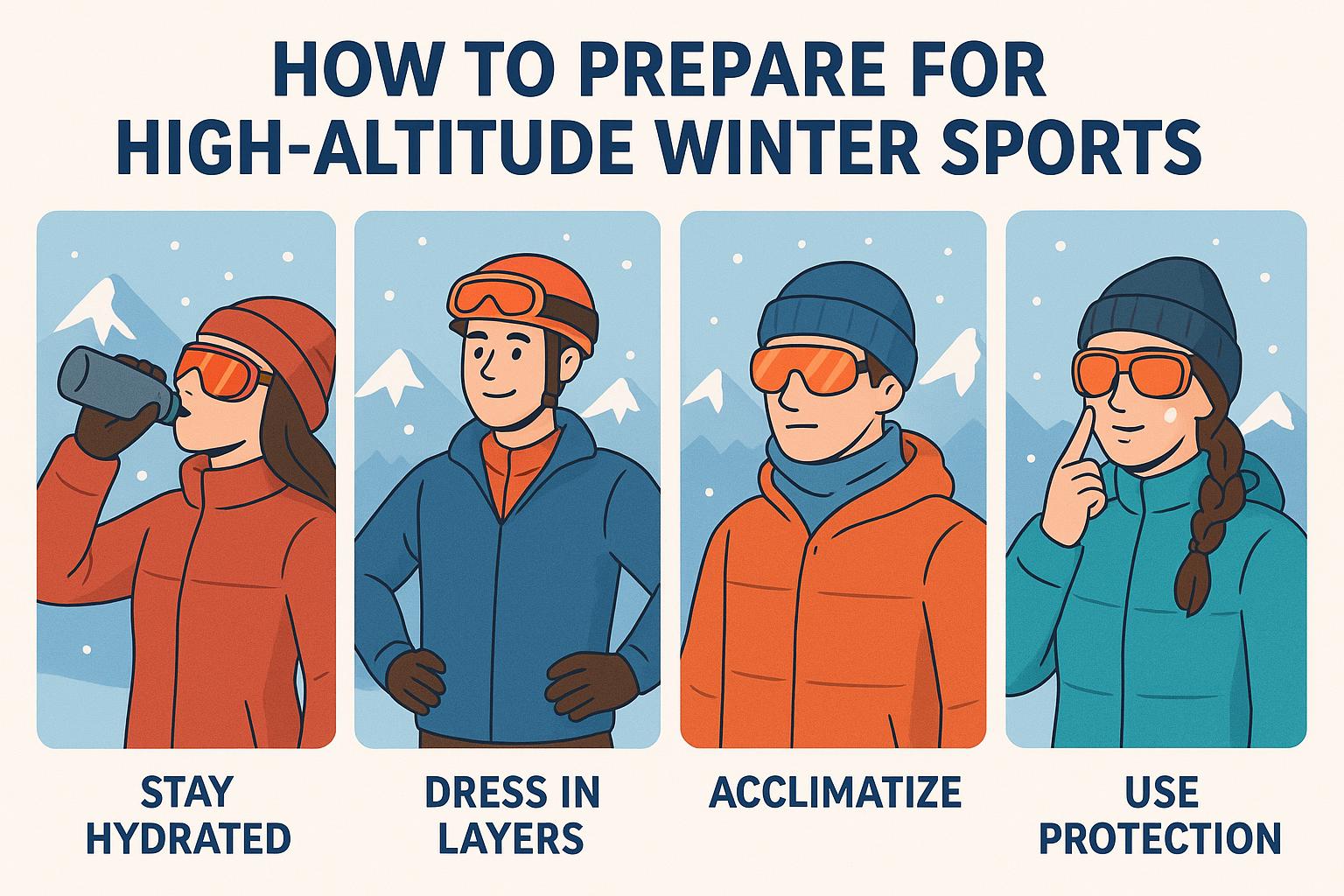
Acclimatization is a critical component when preparing for any winter sports activity conducted at high altitudes. Unlike lower altitudes, the air is thinner, leading to lower oxygen levels in the body. This reduction in available oxygen can negatively affect both athletic performance and overall health. Spending time at higher elevations prior to engaging in intense physical activities is recommended. This gradual exposure gives the body time to adjust to the reduced oxygen levels, thereby reducing the risk of altitude sickness, which can include symptoms such as headache, nausea, and dizziness. Acclimatization periods can vary depending on the altitude, with some experts recommending a few days to over a week of adjustment.

Physical Conditioning

To achieve optimal performance and enhance safety, adequate physical conditioning is essential. The high demands of altitude-enhanced sports necessitate well-developed endurance, strength, and flexibility. Incorporating cardiovascular exercises, such as running or cycling, into your routine can boost lung capacity as well as stamina. These improvements are crucial when dealing with the reduced oxygen levels encountered at high elevations. Strength training should focus on building the muscle groups most utilized during your specific winter sport, ensuring that the body can effectively manage the physical rigors involved. Moreover, incorporating stretching exercises can augment flexibility, which can help prevent injuries and enhance overall performance.

Proper Gear and Equipment

Selecting the right gear and equipment is vital for both comfort and safety in high-altitude winter sports. Investing in quality clothing which is designed for cold environments is imperative. Opt for multiple layers that can be easily added or removed to effectively manage body temperature. Additionally, choose equipment that is suited for the specific sport you are engaging in, making sure it’s well-maintained and appropriate for the conditions you’ll encounter. Proper research into specialized gear providers can be helpful, as they often offer products tailored to the unique challenges of high-altitude sports. Ensuring that your gear is checked and in excellent condition before excursions is a critical step.

Nutritional Considerations

Maintaining a balanced and appropriate diet can have a substantial impact on your performance in high-altitude sports. Consuming an adequate amount of carbohydrates and proteins is crucial, as they provide the essential energy required for sustained physical exertion. The cold temperatures and increased activity can make energy consumption especially demanding, thus underscoring the importance of proper nutrition. Equally crucial is maintaining hydration, as high altitudes can accelerate the body’s rate of dehydration due to lower humidity levels. Regular water intake is essential, and consuming beverages that replenish electrolytes can also be beneficial.

Understanding Weather Conditions

The weather in high-altitude regions can be unpredictable and can change at a moment’s notice. Therefore, understanding current weather conditions is paramount for planning safe excursions. Regularly monitor weather forecasts to plan your activities around safe weather windows. Awareness of potential storms or extreme weather can help you make informed decisions about whether to proceed with or delay activities. In extreme weather conditions, consulting official weather websites provides real-time updates and guidance, helping ensure your safety in unpredictable climates.

Safety Measures

Safety is the primary consideration for anyone thinking of partaking in high-altitude winter sports. It is essential to remain vigilant about potential hazards, such as avalanches or unstable ice conditions, which can pose significant risks. Understanding and preparing for appropriate responses to emergencies is crucial, and carrying essential safety equipment is non-negotiable. Items like a locator beacon and a well-stocked first-aid kit should be considered standard gear. Additionally, joining local safety courses can provide you with valuable skills and insights about recognizing potential hazards and responding appropriately, significantly enhancing your safety.

In conclusion, preparing for high-altitude winter sports involves a multifaceted understanding of the unique conditions inherent to these environments. Ensuring one’s body is both physically and mentally ready to tackle the challenges posed by high altitudes is imperative. Proper acclimatization, physical conditioning, suitable gear selection, nutritional planning, and awareness of changing weather conditions are key components that contribute to a successful and enjoyable experience. By prioritizing safety and preparation, participants can make the most of the exhilarating opportunities offered by high-altitude winter sports.
The history of polar expeditions and their sports connections.

The history of polar expeditions and their sports connections.

The Early Days of Polar Exploration

The history of polar expeditions is a testament to human courage and curiosity. These journeys were driven by an inherent need to reach and understand uncharted territories, often coinciding with a longing for physical challenges and economic benefits. Beginning with the early voyages in the 16th and 17th centuries, exploration of the Arctic and Antarctic regions was significantly propelled by economic interests, particularly in the search for new trade routes. The successful discovery of such passages could lead to a lucrative trading advantage, making these voyages financially appealing to sponsors and explorers alike. However, beyond economic incentives, these journeys laid the groundwork for future expeditions, which would eventually transcend commercial interests and evolve to embrace more scientific, exploratory, and, ultimately, sporting goals.

Heroic Age of Antarctic Exploration

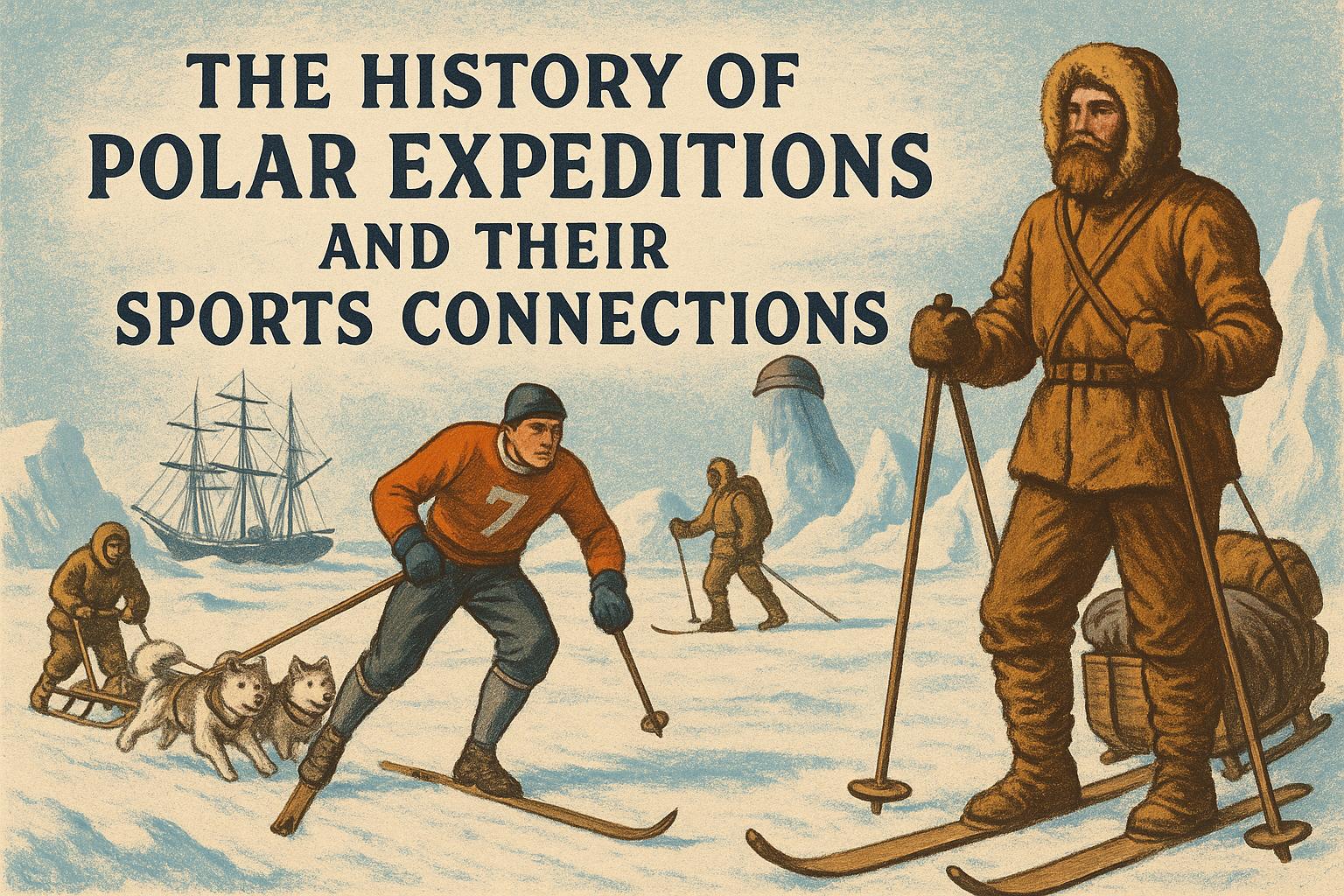
The late 19th to early 20th century, often referred to as the Heroic Age of Antarctic Exploration, was a pivotal era for explorations in the South Pole. This period witnessed daring figures like Ernest Shackleton and Robert Falcon Scott undertaking perilous journeys, venturing deep into treacherous territories. These expeditions represented grueling physical endeavors, often testing the limits of human endurance. The extreme weather conditions, isolation, and lack of resources demanded exceptional survival skills, establishing a unique relationship between polar exploration and sports-like challenges. Participants relied on physical and mental fortitude, reinforcing the argument that such explorations were as much about athletic prowess as scientific discovery.

Shackleton’s Endurance Expedition

One of the most harrowing tales from this era is that of Ernest Shackleton’s Endurance expedition. The main objective was to make the first land crossing of the Antarctic continent. Despite the expedition’s failure to achieve its initial goal due to the ship’s entrapment and eventual destruction by pack ice, it is remembered as a remarkable tale of survival. The crew’s resilience and physical tenacity remained unbroken. They endured months on the ice, demonstrating incredible survival skills.

To keep morale high in such dire conditions and maintain fitness, the crew engaged in physical activities such as playing soccer on the ice. This diversion not only kept spirits up but drove home the point that physical activity was integral to the survival framework of such expeditions. These activities provided a crucial psychological and physical outlet, allowing the crew to momentarily escape their harsh reality and maintain cohesiveness and determination.

Modern Polar Challenges

In recent times, the intersection between polar exploration and athletic endeavors has only grown more pronounced. Expeditions have evolved from dangerous, exploratory treks into organized sporting events that draw both athletes and adventurers from around the world. These modern challenges represent a blend of traditional exploration spirit with contemporary athletic competition.

Polar Adventure Racing

Polar adventure racing has emerged as a prominent example of this trend. It involves multi-discipline events that may include skiing, kayaking, and trekking across various polar terrains. These races test the athletes’ physical capacities, adaptability, and mental willpower. The appeal of these races lies not only in the athletic competition but also in their requirement of survival skills, which are tested against the backdrop of some of nature’s most extreme environments.

Patagonian Expedition Race

An emblematic event like the Patagonian Expedition Race, often known as “The Last Wild Race,” exemplifies this category of events. Taking place in the Chilean Patagonia region, it is renowned for its challenging conditions and breathtaking scenery. Although not strictly a polar event, it shares the spirit of polar challenges due to its demands for endurance and resilience. Competitors find themselves navigating untouched landscapes, requiring them to adapt and push their physical boundaries in ways that mirror the historical expeditions of the polar regions.

The Role of Technology and Training in Polar Expeditions

The modern era of polar exploration has ushered in significant shifts in how these expeditions are approached. Technological advancements in gear, navigation, and physical training have transformed what was once a purely exploratory venture into a highly specialized form of extreme sports.

Technological Aids

The advent of satellite navigation systems, improved clothing materials, and lightweight equipment has greatly enhanced the safety and accessibility of polar regions. Though these technological aids reduce some physical burdens faced by explorers of the past, the extreme conditions of polar environments still demand rigorous physical preparation. The fierce landscapes, although a bit tamed by technology, still test the limits of human endurance and resilience.

Training Regimens

Participants in contemporary polar expeditions undergo specialized training regimens not unlike those of elite athletes. These programs encompass endurance, strength, and skill-based training to adequately prepare expedition members for the harsh physical demands of their journey. The aim is to replicate, as closely as possible, the challenges they might face, ensuring they can handle the strenuous environments they will encounter.

Environmental and Cultural Impacts

It is essential to recognize that polar regions house delicate ecosystems, and the influx of sport-oriented expeditions must be managed thoughtfully to prevent detrimental impacts on these environments. This awareness reflects a growing consciousness about the need to preserve these unique regions for future generations.

Eco-Friendly Practices

Modern polar expeditions and sports-related events emphasize eco-friendly practices, such as minimizing waste and avoiding disruption to local wildlife. Implementing such practices is critical for protecting the polar environment while allowing explorers, athletes, and adventurers to continue their pursuits responsibly. Awareness campaigns and guidelines work in tandem with the spirit of exploration to ensure these pristine environments remain unharmed.

Cultural Significance

Moreover, the integration of sports into polar exploration underscores their cultural significance. These expeditions embody the essence of human spirit in pushing boundaries, fostering international cooperation, and inspiring future generations. They provide a narrative that encourages individuals to explore, understand, and protect our planet’s extremities. Such expeditions, even today, serve as a reminder of our planet’s vast wonders and the collaborative human effort needed to venture into and conserve these last frontiers.

Ultimately, whether through the historical lessons of endurance or modern adventure sports, polar exploration continues to showcase humanity’s relentless quest to test its limits and understand the unknown.

The basics of winter paragliding.

The basics of winter paragliding.

Understanding Winter Paragliding

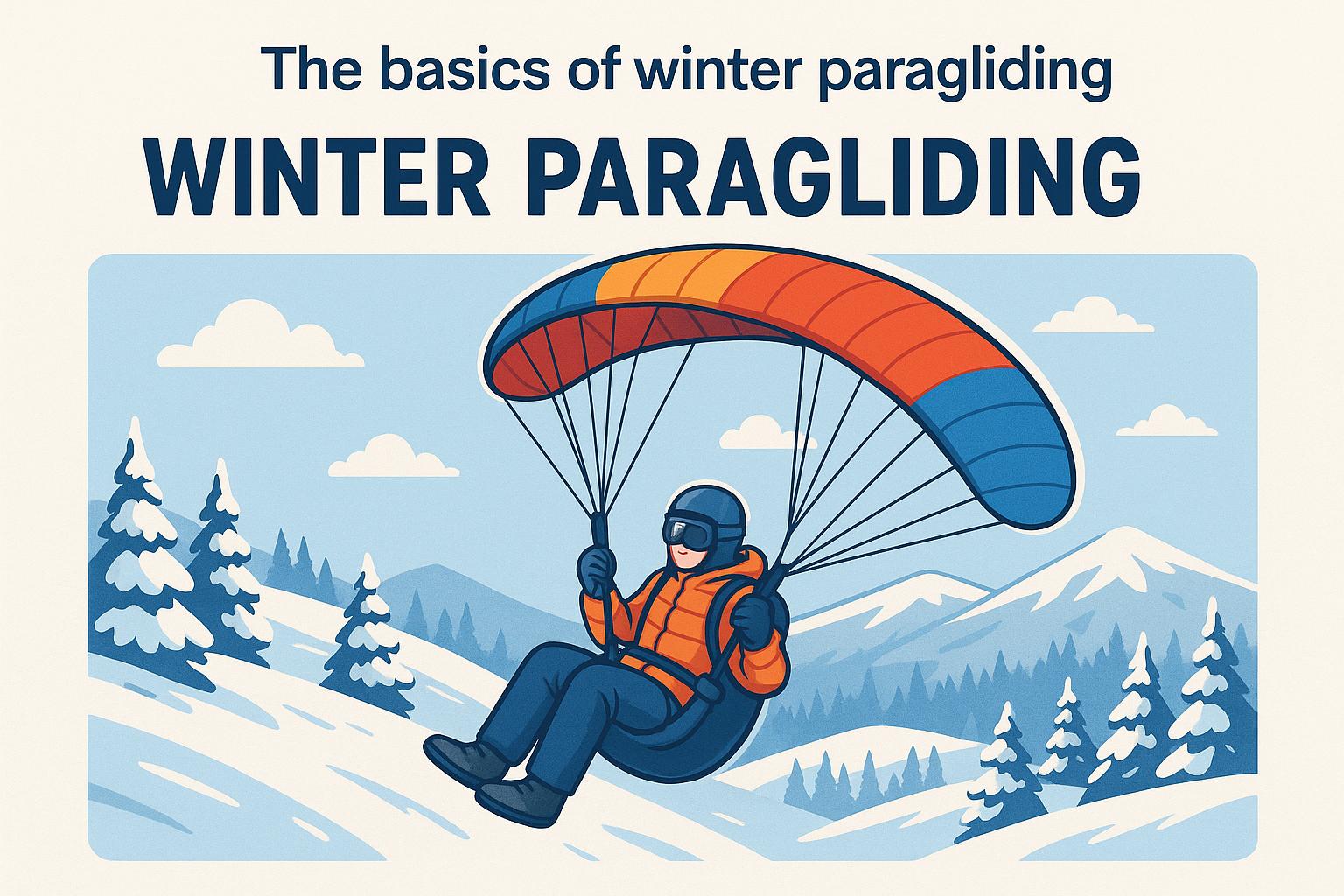
Winter paragliding presents unique challenges and opportunities for enthusiasts, involving the art of flying a lightweight, free-flying glider aircraft in colder climates. This adventure sport offers breathtaking views of snow-covered landscapes, providing a serene yet exhilarating experience for those willing to embrace the colder months. While it can be more demanding due to the weather conditions, it remains a popular activity for those seeking year-round adventure.

Weather Considerations

The success of a winter paragliding experience largely hinges on understanding and interpreting weather conditions. Cold temperatures play a significant role, affecting both the equipment and the flying experience. Thus, it becomes imperative to keep a close eye on weather forecasts and understand the implications of wind strength, temperature, and thermal availability as they can greatly influence the flight.

Wind Conditions

Wind conditions are crucial to a successful paragliding experience, as they can dictate the ease or difficulty of a flight. In winter, the winds tend to be more unpredictable, posing a challenge even for seasoned pilots. This unpredictability requires pilots to have advanced knowledge and skills to manage the airborne journey. For beginners, calm winds are preferable, offering an environment with fewer complications. However, moderate winds can aid in the creation of lift, which can be advantageous for more experienced pilots who can harness this condition to stay airborne for extended periods.

Temperature and Thermals

Cold temperatures result in denser air, which can enhance lift capabilities but also contribute significantly to the chill factor. As a result, it is imperative to dress appropriately in thermal clothing to ensure comfort and safety throughout the flight. In contrast to the warmer months, thermals during winter are weaker and less frequent, which might limit a pilot’s airtime. This lack of consistent thermals necessitates a thorough understanding of local weather conditions and an ability to adapt quickly to changing scenarios.

Equipment and Safety

The success of any winter paragliding adventure largely depends on specific attention to equipment readiness and the implementation of safety measures. Ensuring that gear is suitable for the cold and adhering strictly to safety protocols are vital components of a successful flight.

Appropriate Gear

Layering becomes crucial in cold conditions. Pilots are required to wear insulated clothing specifically designed for low temperatures, which includes thermal suits, gloves, and windproof jackets. Proper footwear is essential to maintain warmth, while helmets protect pilots from the cold as well as from potential injuries during the flight. These layers not only provide the necessary insulation but also ensure that the pilot’s mobility is not restricted, enabling them to maneuver the glider effectively.

Pre-Flight Inspections

A thorough pre-flight inspection is of utmost importance. This involves checking the paraglider for any damage that could be exacerbated by the cold, such as tears or weakened materials, which may compromise safety. Additionally, pilots must ensure all harnesses and buckles are functioning correctly to prevent any mid-air malfunctions that could pose serious risks.

Tips for Winter Takeoffs and Landings

The processes of taking off and landing in winter require particular attention due to the added challenges posed by snow-covered terrains. Pilots must adapt their usual techniques to account for these unique conditions.

Takeoff Techniques

For a successful takeoff, it is essential to ensure a clean, snow-packed area to prevent slipping, which could jeopardize the entire launch. During this stage, it is crucial to control the glider effectively, making optimal use of wind conditions to assist in a smooth ascent. This requires a precise understanding of how to manipulate the glider in varying conditions to achieve a safe and steady takeoff.

Landing Strategies

When approaching for landing, it is important to evaluate the chosen landing zone for any ice patches or deeper snow that could affect stability. A controlled approach must be executed with a keen awareness of the current wind direction, which may vary at different altitudes and influence the landing outcome. Experience and skill in maneuvering the glider to accommodate these factors are integral to a successful landing.

Conclusion

Winter paragliding can be an incredibly rewarding experience for those who are properly prepared and understand the unique conditions associated with this activity. With a focus on safety and a good grasp of the weather and equipment considerations, winter paragliding can offer a distinctive blend of adventure and tranquility. For individuals interested in broadening their understanding and expertise, many paragliding academies provide specialized courses and resources that are designed to enhance skills and ensure the safety of participants, catering to both novices and skilled pilots looking to refine their craft in a winter setting.

The art of synchronized skating.

The art of synchronized skating.

The Discipline of Synchronized Skating

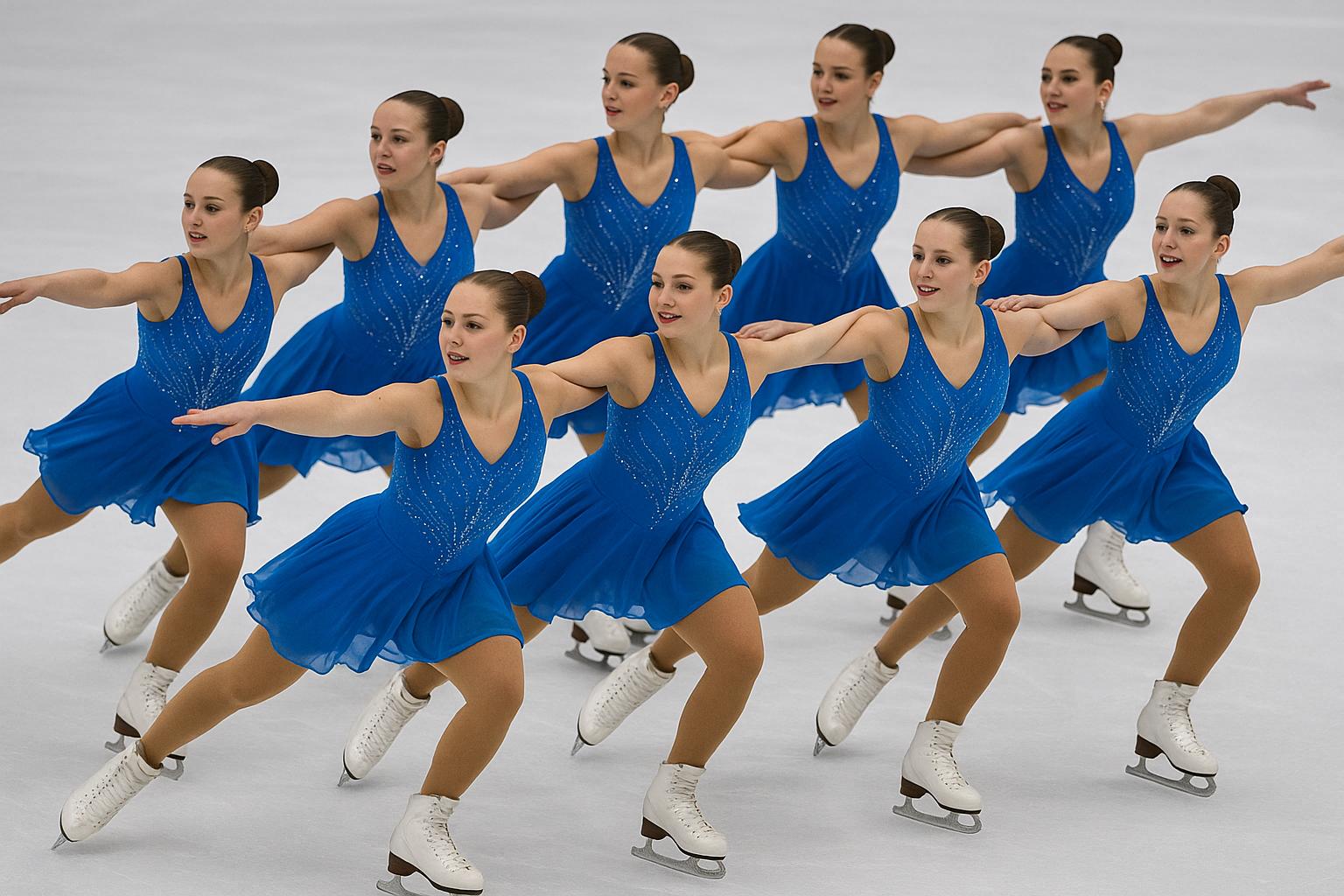
Synchronized skating is a competitive team sport that blends the grace and artistry of figure skating with the rhythm and coordination of dance. In this dynamic discipline, a team consisting of 8 to 20 skaters collaborates to perform intricate routines on an ice rink. The skaters work together to execute formations and movements with precise synchronicity. Known popularly as “synchro,” the sport places a strong emphasis on precision, timing, and seamless teamwork, resulting in a visually captivating display for the audience.

History and Development

The roots of synchronized skating can be traced back to the United States during the early 1950s. Originally conceived as a medium for skaters to perform as a group in exhibitions, the sport slowly began to gain traction. It was not until 1976 that the first official competition was held, marking a pivotal moment in the sport’s evolution. Since that inaugural competition, synchronized skating has experienced substantial growth on an international scale. Its recognition was further bolstered when it was included in the International Skating Union’s (ISU) list of officially recognized disciplines.

Team Composition and Performance

A typical synchronized skating team consists of 16 skaters, although configurations may vary slightly with some teams having fewer members. The performances are crafted by choreographers who design intricate sequences of maneuvers. These sequences include but are not limited to formations such as pinwheels, intersections, lines, blocks, and circles. Each of these formations necessitates not only individual skill but also exceptional coordination and communication amongst team members. Performers must maintain both speed and control, a demanding task requiring intense practice and mutual understanding.

Scoring and Competitions

Competitions in synchronized skating are judged based on several criteria, including technical merit, difficulty of elements, and artistic impression. Judges scrutinize every aspect of a team’s performance, paying close attention to the precision in formations, the overall skating skills displayed by the athletes, and the creativity embedded in the choreography. Teams are classified into various levels, ranging from beginner categories to senior divisions, each with specific stipulations and requirements. As the sport has grown in sophistication, so too has the level of competitive spirit and excellence exhibited by teams at all levels.

Global Appeal and Expansion

In recent decades, the allure of synchronized skating has transcended geographic boundaries, resulting in a global expansion of the sport. It has particularly gained momentum in regions such as Europe, North America, and Asia. Each year, the ISU organizes the prestigious World Synchronized Skating Championships, which draws teams from all corners of the globe, eager to showcase their talents on an international stage. Amidst this expansion, there is a continuous push for synchronized skating to be recognized as an official event in the Winter Olympic Games, reflecting its growing significance and popularity.

For more detailed insights into the regulations governing synchronized skating as well as up-to-date information on events, you may explore the International Skating Union’s official website.

The Skills and Preparation Involved

Synchronized skating requires an array of skills that transcend basic skating proficiency. Team members must possess strong individual skating skills, including solid control, agility, and the ability to perform complex steps. Beyond these individual skills, skaters need to master group dynamics. They must have an acute awareness of spatial orientation, ensuring that every formation is executed with alignment and synchronicity. This requires dedicated practice, often involving hours of rehearsal to perfect each element of their routine.

Physical Conditioning

Physical conditioning plays an integral role in synchronized skating. Skaters must maintain peak physical fitness to handle the demands of their routines. This often includes cardiovascular training to build stamina, strength training to support the dynamic movements involved, and flexibility exercises to enhance the range of movement. A well-rounded fitness program is essential in ensuring each skater can perform under the strenuous conditions of competition.

Mental Preparation

Alongside physical preparation, mental readiness is crucial in synchronized skating. Skaters must cultivate focus and mental resilience, as the pressure of synchronized performance can be intense. Teams often engage in mental training exercises to enhance concentration, build confidence, and prepare for the high-stakes environment of competitive events. Mental preparation helps skaters maintain composure and execute their routines flawlessly even under pressure.

The Choreography and Creativity

The choreography in synchronized skating serves as the backbone of any performance. Choreographers work closely with teams to craft routines that not only meet technical requirements but also captivate audiences with originality and flair. Creative expression is highly valued, as teams seek to distinguish themselves with unique movements and thematic elements. This creativity is combined with technical skill to create performances that are both artistically and technically impressive.

Music and Theme Selection

Music and themes are selected carefully to enhance the storytelling aspect of a performance. The music choice must align with the team’s style and abilities, ensuring that every element of choreography complements the soundtrack. Themes offer an additional layer of interpretation, inviting audiences to engage with the performance on an emotional and intellectual level. The selection process is a collaborative effort, with teams working alongside choreographers to create a cohesive and compelling performance.

Future Perspectives

The future of synchronized skating is bright, with continued growth and development on the horizon. The push for Olympic inclusion remains strong, driven by stakeholders committed to raising the sport’s profile. As more countries develop their own synchronized skating programs, the level of competition continues to rise, pushing teams to innovate and strive for new heights of performance excellence. Furthermore, as audiences worldwide increasingly embrace the visual spectacle and discipline of synchronized skating, the sport will undoubtedly continue its trajectory towards greater global recognition and appreciation.