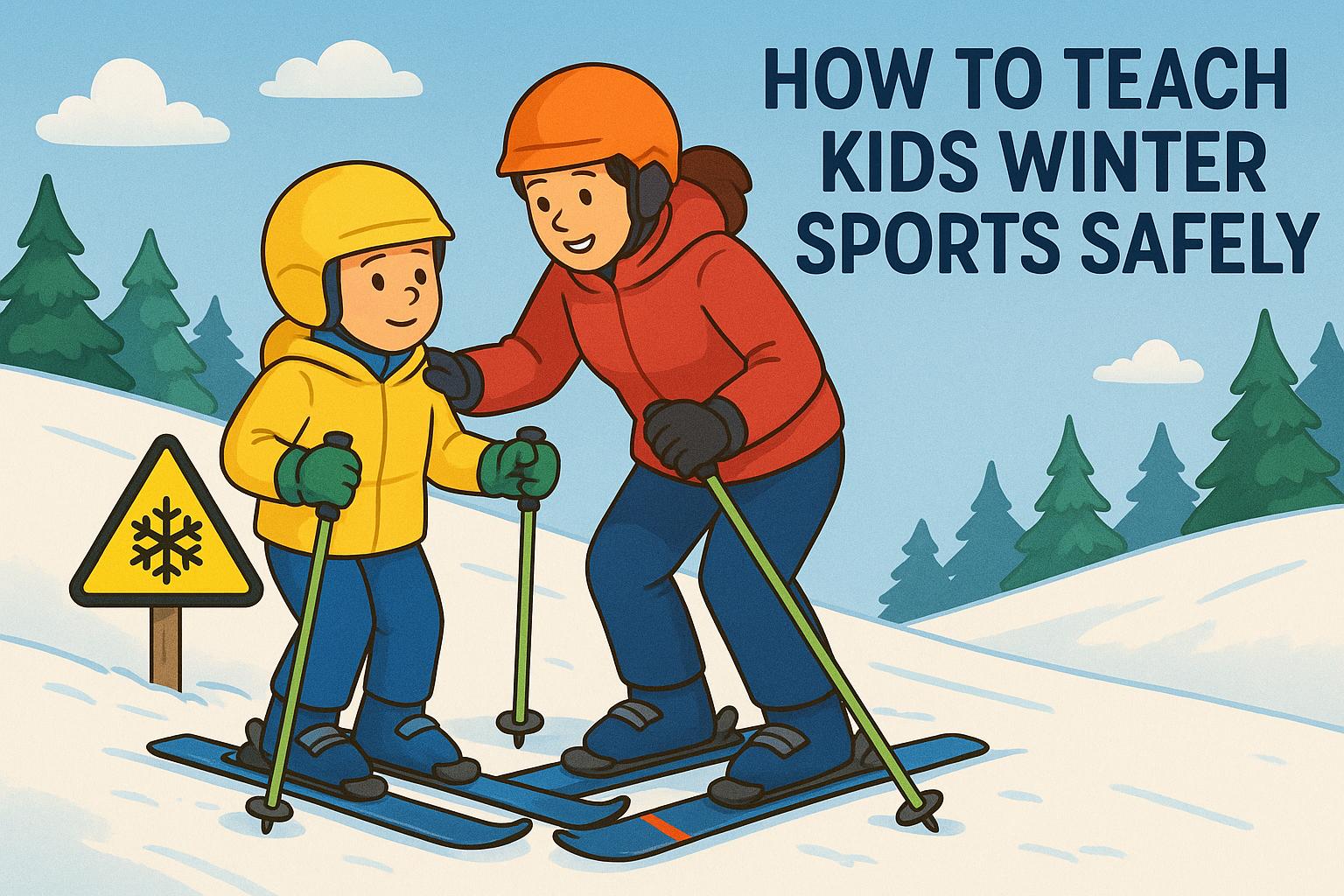
Understanding Winter Sports for Kids
Winter sports offer a fantastic opportunity for children to stay physically active and engaged in the colder months. The thrill and excitement of activities like skiing, snowboarding, ice skating, and sledding not only provide a fun experience but also contribute significantly to physical development and skill acquisition. However, safety is the cornerstone when it comes to involving children in winter sports. By prioritizing safety, we enable kids to enjoy these pursuits while minimizing the chances of accidents or injuries.
Choosing the Right Sport
Identifying the most suitable winter sport for a child involves understanding their interests, energy levels, and inherent physical capabilities. Each child is unique, and aligning their enthusiasm with the right sport is critical to ensuring they enjoy the experience. For example, skiing might appeal more to kids who appreciate structure and have begun to develop balance and coordination. It’s crucial to observe how a child navigates physical activities to find the best fit for their interests and skill level. Providing an environment that fosters exploration can help them find an activity they truly enjoy and excel at.
Proper Gear and Equipment
Equipping kids with the right gear is a non-negotiable aspect of winter sports. Ensuring safety begins with having the proper equipment that not only fits well but also serves the intended protective purpose. Helmets are an indispensable part of gear in risk-laden sports such as skiing and snowboarding, where they help prevent head injuries. Protective clothing and footwear play equally vital roles. Children should be dressed in layers to stay warm, with each layer performing a specific function: the base layer for moisture-wicking, the insulating middle layer, and a waterproof outer layer. All these elements combined provide protection against the harshness of winter weather.
Clothing Tips
Layering is an essential strategy to keep children warm and comfortable. Select a base layer made from moisture-wicking materials like polyester or merino wool, which draws sweat away from the skin. The middle layer, often fleece or wool, provides insulation by trapping body heat. Lastly, a waterproof and windproof outer layer shields them from snow, wind, and rain. In addition to clothing, accessories like gloves, hats, and scarves are critical to covering exposed areas, ensuring comprehensive coverage from cold weather.
Taking Lessons
Enrolling children in lessons conducted by certified instructors is an invaluable step in their progress within a winter sport. Professional lessons provide structured learning environments where children can build skills progressively under the watchful eye of trained instructors. For instance, ski schools often offer child-specific classes where children learn skiing techniques at an appropriate pace, promoting both skill acquisition and confidence building. The presence of instructors also ensures that any fear or uncertainty children may have is addressed, and they can learn effective safety practices specific to the sport.
Understanding Weather Conditions
Comprehending how weather conditions can affect winter sports is crucial for maintaining a safe sporting environment. Children need guidance about the implications of extreme cold weather, which can lead to risks such as frostbite and hypothermia. It is important to have the right preparations in place, which can include checking weather forecasts and current conditions at ski slopes or ice rinks. This proactive approach helps in planning outings that are not only fun but also prudently safe, ensuring that children have positive experiences without unnecessary risks.
Check Conditions
Before heading out for a winter sports activity, always confirm the latest weather forecasts and verify the conditions of the locations planned for use, such as ski slopes or ice rinks. Some websites and apps provide real-time updates and detailed reports on weather and surface conditions, which helps families and instructors make informed decisions. These preparations help ensure the activity day will go smoothly without any avoidable interruptions due to adverse weather changes.
Setting Boundaries
Creating and implementing clear safety guidelines is essential for every winter sport. Children should be educated on why remaining within designated areas is crucial for safety. This includes staying on marked trails, following the outlined rules for each sport, and adhering to the instructions of teachers or activity leaders. Basic techniques, including knowing how to start, stop, and maneuver safely, should be taught early on. This will help children navigate activities more safely and enjoy them without mishaps.
Encouraging Open Communication
Maintaining open communication is an aspect of safety that often goes underappreciated. Parents, instructors, and guardians should encourage children to express any discomfort, fear, or safety concerns they may feel. Whether related to equipment fit, physical fatigue, or sudden weather changes, children should feel comfortable talking about these issues. This line of communication fosters trust and allows adults to make quick adjustments, enhancing the youngster’s safety and enjoyment of the sport.
Conclusion
By making informed choices and focusing on preparation, safety, and skill development, you can provide a pleasurable and secure environment for children engaging in winter sports. The key elements of ensuring that children are well-equipped, aware of environmental factors, and instructed by professionals help create a nurturing atmosphere where children can excel at winter sports safely. These careful considerations will contribute to children forming a lifelong appreciation for these activities, growing in both competence and confidence as they navigate the snowy playgrounds.