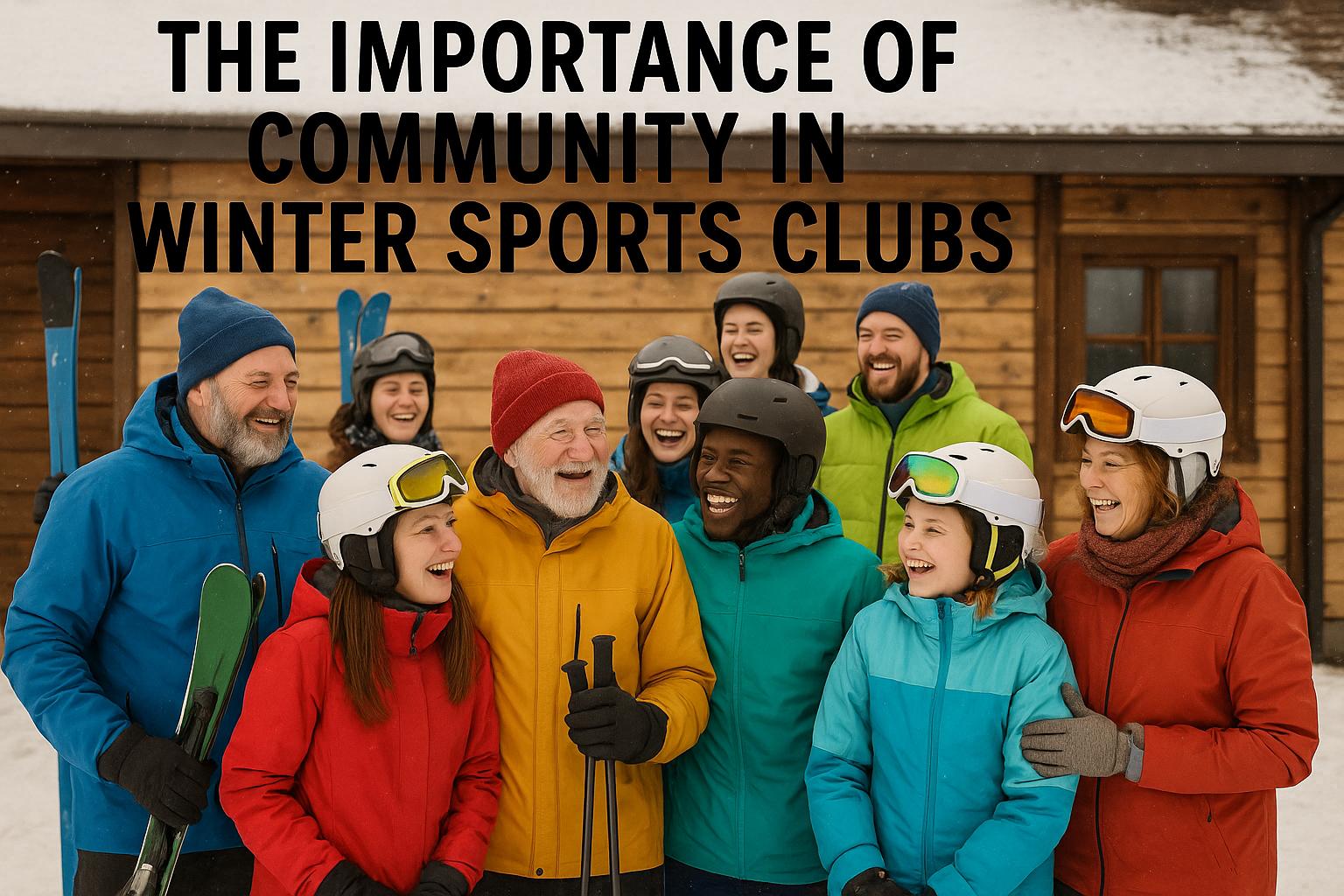
The importance of community in winter sports clubs.

The importance of community in winter sports clubs.

The Role of Community in Winter Sports Clubs

Winter sports clubs play a significant role in the lives of individuals who engage in activities such as skiing, snowboarding, ice skating, and more. These clubs serve as hubs where enthusiasts of all skill levels come together, thereby fostering a sense of community that encourages participation and skill development.

Social Interaction and Engagement

Community lies at the heart of winter sports clubs. One of the primary benefits of being part of such a club is the opportunity for social interaction and engagement. Members get the chance to connect with others who share similar interests, which can lead to the formation of lasting friendships. This social framework often extends beyond the club’s premises, encouraging members to participate in off-club activities together. Engaging in these social settings nurtures a sense of belonging and togetherness that is crucial for personal and communal growth. Such environments facilitate the development of trust amongst members, ensuring that individuals feel supported both on and off the field. The shared passion for winter sports acts as a catalyst for collective experiences, shared memories, and mutual support.

The interactions within winter sports clubs often transcend beyond casual encounters. They delve into collaborative and cooperative engagements, where members work together towards common goals, be it organizing events, setting up training sessions, or planning group outings. This deep-rooted engagement offers a rewarding experience that is inherently human, enriching, and fulfilling.

Skill Development

Participating in winter sports as part of a community offers the advantage of enhanced skill development. Club members often have access to structured training sessions, which can be both formal and informal, ranging from group lessons to coaching clinics. Experienced members or hired instructors frequently provide mentorship, enabling novices to learn from those with more expertise. As novices progress, they also have opportunities to give back to the community by mentoring newer members, thus continuing the cycle of learning and growth.

This structured approach to skill development is comprehensive, integrating aspects of discipline, dedication, and perseverance. Clubs often facilitate progressive learning modules that cater to different skill levels, ensuring that all members – from beginners to seasoned athletes – have the chance to learn and improve. With the support of a committed community, members can tackle challenging aspects of their sports, refine techniques, and achieve personal milestones which might have been difficult to reach in isolation.

Furthermore, clubs foster an environment conducive to collaborative learning and the exploration of new sports techniques and technologies, keeping members abreast with the latest advancements in their respective fields.

Events and Competitions

Winter sports clubs often organize events and competitions that foster community spirit. These events serve as platforms for members to showcase their skills and gain recognition. Competitions also instill a sense of healthy rivalry that motivates members to push their limits, thereby improving their proficiency in their chosen sports. Participating in events allows members to test their skills against peers, providing valuable feedback and insights into areas that require further improvement.

Moreover, beyond the competitive aspect, events are a celebration of the community’s shared passion for winter sports. They bring members together in a joyous, spirited environment where camaraderie and sportsmanship take precedence. Participating in or attending these events reinforces the sense of belonging, bringing diverse groups of people together under a shared banner.

Some events are tailored not just for individual accomplishments but also for teamwork, emphasizing the importance of collaborative efforts in achieving success. Clubs often cultivate inclusive environments where everyone, regardless of skill level, feels encouraged to participate and excel at their own pace.

Supportive Environment

The community-centric approach in winter sports clubs establishes a supportive environment that motivates individuals to pursue their interests despite challenges. Members support each other through the adversities of learning new skills and overcoming the psychological barriers typical in sports activities. This environment cushions individuals from the pressures of solo performance, as there is always a supportive network rallying behind each member.

Such support is critical, as winter sports often present physical and mental challenges that require resilience, courage, and consistent encouragement. Members offer guidance, share experiences, and provide moral support that helps individuals overcome fear and self-doubt, fostering personal growth and confidence.

This supportive network endeavors to ensure that every member feels valued and appreciated for their contributions, creating an atmosphere conducive to personal well-being and collective harmony. The foundation of mutual respect and empathy ensures that the club remains a haven for all individuals passionate about winter sports.

Access to Resources

Finally, being part of a winter sports club provides members with access to various resources that they might not easily obtain on their own. These resources include training facilities, specialized equipment, and sometimes even discounts on gear and apparel. Clubs often negotiate deals with manufacturers or suppliers, passing on the benefits to their members. The accessibility of resources reduces the barriers to participation, making it easier for individuals to engage in winter sports without significant financial impediments.

Additionally, clubs offer guided access to expert knowledge, with resources like training manuals, safety guidelines, and performance-enhancement techniques readily available to members. This organized sharing of information cultivates a rich learning environment where individuals have the tools necessary to refine their skills and enhance their sports experience.

In conclusion, the community within winter sports clubs is pivotal in enriching the experience of those involved in winter sports. The camaraderie, skill development, competitive spirit, encouragement, and resource access collectively make membership in such clubs beneficial for winter sports enthusiasts. For further information on winter sports clubs, you might consider exploring regional sports authority websites or online resources dedicated to specific sports disciplines.
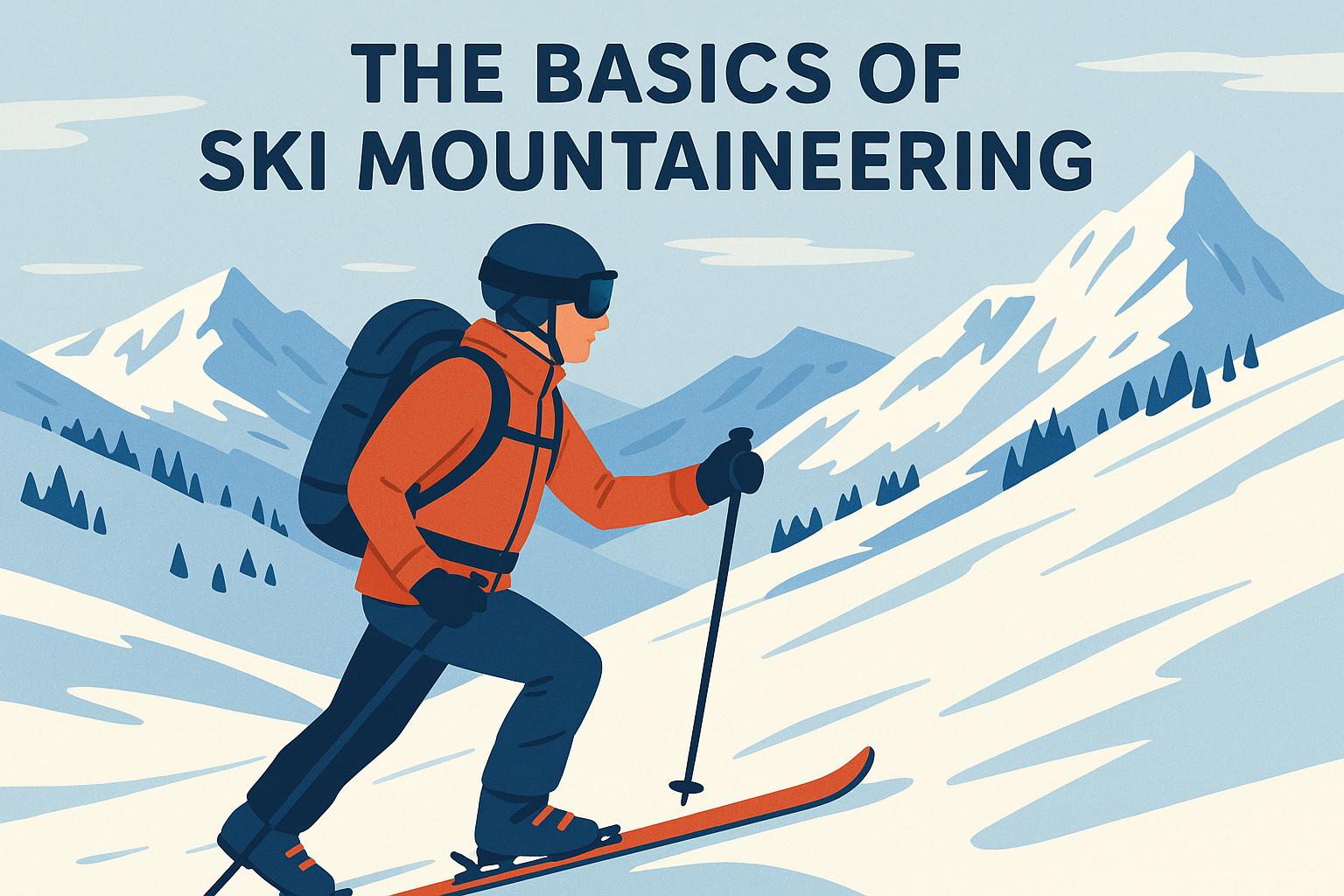
The basics of ski mountaineering.

The basics of ski mountaineering.

Introduction to Ski Mountaineering

Ski mountaineering combines the skills of skiing and mountaineering to travel across mountainous terrain covered in snow. It is a sport that demands a high level of fitness, technical skill, and an understanding of the mountain environment. In this article, we will explore the fundamental aspects of ski mountaineering, including equipment, technique, and safety considerations.

Essential Equipment

For ski mountaineering, you’ll need specialized equipment that allows you to both ascend and descend with efficiency and safety. Here are some critical components that play a crucial role in the activity.

Skis and Bindings: Ski mountaineering skis are typically lighter and more flexible than alpine skis. These skis are designed to ensure that you can move with agility and speed on various types of snow. Bindings play an equally important role and should allow for a free heel during ascents, offering flexibility, and lock down for descents to provide the necessary stability and control.

Skins: Skins are vital for uphill travel, being strips that attach to the bottom of your skis. They allow for traction when moving uphill and are removable when you need to descend. The efficiency of skins in providing grip without causing excessive drag is indispensable for conserving energy during long ascents.

Boots: The boots used in ski mountaineering are a hybrid of alpine skiing and climbing boots. They provide the compatibility required with bindings, alongside sufficient flexibility for climbing. These boots must also offer support and insulation to protect you from the cold temperatures encountered in high-altitude environments.

Packs and Clothing: When assembling your gear, a lightweight yet capable pack is necessary for carrying essential gear like food, water, clothing, and safety equipment. Clothing should be layered, made from breathable materials to help regulate body temperature. The climate can change rapidly in mountainous regions, necessitating preparedness for anything from intense cold to warmth when the sun shines brightly on clear days.

Safety Gear: Safety in ski mountaineering cannot be overstated. Essential safety gear includes avalanche transceivers, probes, and shovels. These tools are crucial for helping locate and extricate avalanche victims should a situation arise. Helmets and harnesses for rope protection may also be necessary when navigating technical terrains, offering further assurance when tackling challenging sections.

Techniques for Ski Mountaineering

Ski mountaineering requires a specific set of skills related to both skiing and mountaineering. Understanding and mastering these techniques enhances efficiency and safety while on the mountain.

Ascent Techniques: Ascending in ski mountaineering involves techniques like the kick turn to navigate uphill ascents. This maneuver allows you to change direction with minimal effort on steep slopes. It is crucial to know how to switch from “walk” to “ski” mode on your bindings, a subtle but significant adjustment during transitions. Efficient management of skins, preserving their adhesive capability, is also essential to prevent difficulties during climbs.

Descent Techniques: While descending, control and balance are essential in varied snow conditions that ski mountaineers encounter. Snow may range from powder to ice, requiring the mastery of classic skiing techniques and the ability to adapt them to a backcountry environment. Familiarity with how to adjust your skiing style to handle different types of snow will ensure smoother, safer descents.

Mountaineering Skills: Alongside skiing proficiency, mountaineering skills are indispensable in ski mountaineering. This may include map reading and navigation to find safe routes through treacherous areas. The use of crampons and ice axes becomes necessary in glaciated or rocky terrain, providing essential support and safety. These skills ensure you can safely navigate varied terrains where snow may be sparse or ice pervasive.

Safety Considerations

Ski mountaineering presents numerous safety challenges, primarily due to exposure to avalanche risk and harsh weather conditions. Proper training and preparation significantly enhance safety.

Avalanche Awareness: Knowing the dynamics of snowpack and recognizing potential avalanche-prone areas is crucial. This understanding helps inform your decisions on whether certain areas should be avoided. Taking avalanche safety courses and staying up-to-date with local avalanche forecasts should form part of your regular preparation routine.

Weather and Terrain Assessment: The ability to read weather patterns and comprehend their implications on snow stability and navigation can inform safer decision-making. Weather can drastically alter the conditions of the terrain, influencing both your ascent and descent options. Prior knowledge and constant monitoring of these patterns allow for more effective adjustments to your plan as needed.

Partner System: Traveling with at least one other person skilled in rescue techniques is invaluable in ensuring the safety of your group. Effective communication and planning minimize risk, facilitating a coordinated response should emergencies occur. Teamwork is fundamental in handling situations delicately and ensuring all group members can enjoy the experience securely.

Concluding Thoughts

Ski mountaineering is a demanding yet rewarding sport that offers unique challenges and satisfying experiences in high alpine environments. It combines the thrill of skiing with the strategic elements of mountaineering, providing an adventure that is both invigorating and fulfilling. Proper knowledge of the necessary skills, equipment, and safety measures can lead to a fulfilling and responsible way to explore snow-covered peaks. As with any outdoor venture, preparation and knowledge are crucial companions. For more detailed information or courses on ski mountaineering, consider visiting specialized outdoor and mountaineering websites, such as alpine skill centers or local mountaineering clubs for further guidance and community engagement.

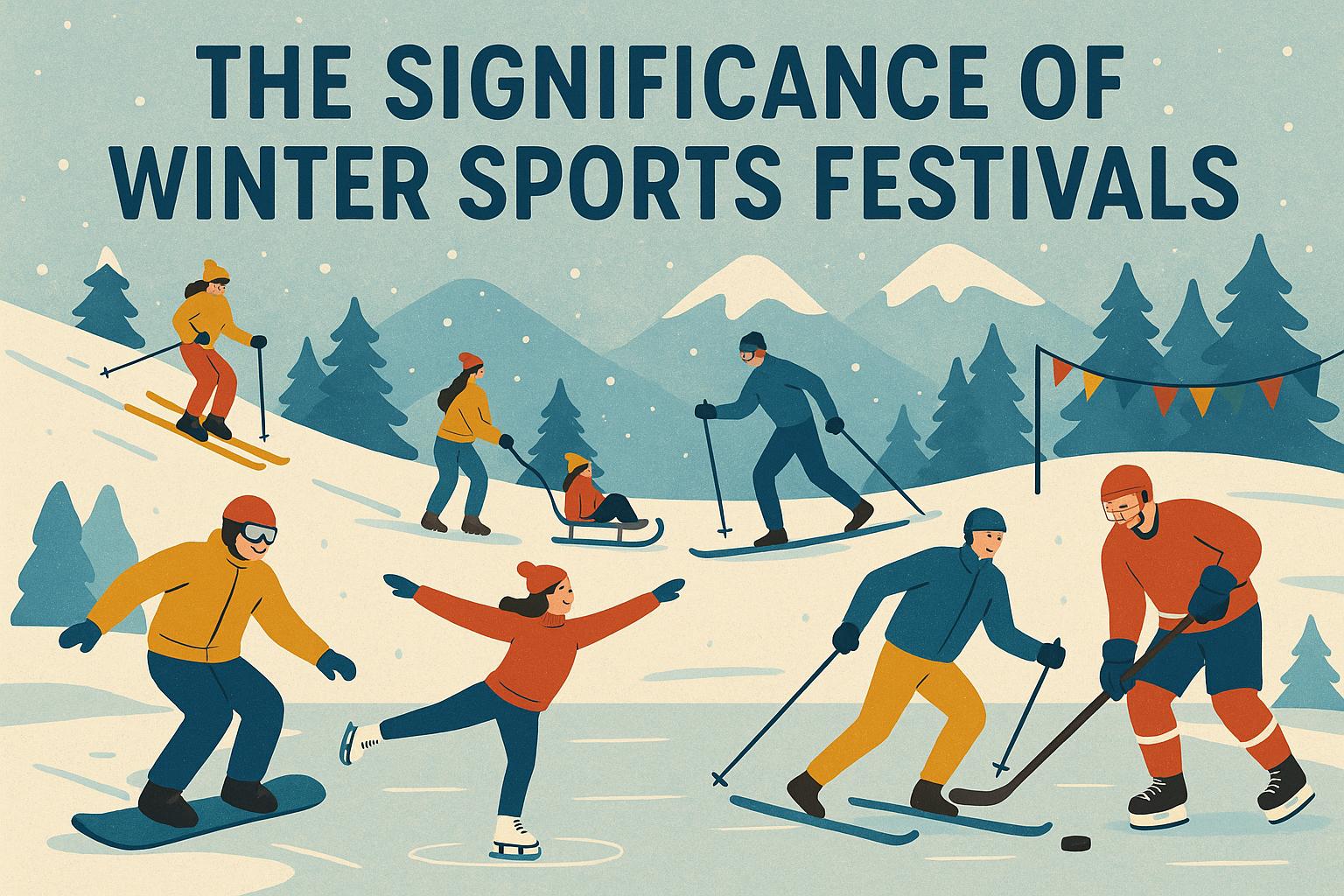
The significance of winter sports festivals.

The significance of winter sports festivals.

The Cultural and Economic Impact of Winter Sports Festivals

Winter sports festivals have transformed into essential events that remarkably influence the cultural and economic aspects of numerous countries. These festivals, often hosted in picturesque settings with optimal snow and ice conditions, unite athletes, spectators, and local communities in a celebration of winter sports and associated activities.

The Cultural Importance

Winter sports festivals embody significant cultural value by offering a platform for cultural exchange and community bonding. These events provide a unique opportunity for individuals from diverse backgrounds to engage with and appreciate traditions associated with winter sports. The festivals typically encompass not only competitive sports events but also cultural performances, indulgence in local cuisine, and displays of traditional crafts.

By promoting such a variety of activities, winter sports festivals play a crucial role in preserving ancient traditions while also enhancing collaboration and unity among different groups. They serve as a platform to showcase the heritage of the host region, enriching the participants’ understanding and appreciation of varied cultures and practices.

Economic Benefits

The economic impacts of winter sports festivals are notably significant. These events act as magnets for tourists, boosting revenue for local businesses, spanning hotels, restaurants, and retail shops. Numerous tourism studies indicate that the influx of visitors during such events significantly enhances the host area’s economy, at times even doubling the typical income for the season.

Moreover, winter sports festivals frequently garner sponsorships and media attention, contributing to both local and international visibility. This exposure can spark heightened interest in the host region, encouraging tourism beyond the temporal framework of the festival itself.

Job Creation and Infrastructure Development

Hosting winter sports festivals can lead to substantial job creation due to the organizational, logistical, and hospitality service demands. The need for a temporary workforce across various sectors presents employment opportunities that benefit the local population.

Beyond direct employment, these festivals can act as catalysts for infrastructure development. Investment in transportation systems, accommodation services, and sports facilities can result in lasting improvements for the host region, continuing to benefit the community well after the festival concludes.

Sports Promotion and Youth Engagement

Winter sports festivals significantly promote winter sports at various levels, from grassroots initiatives to professional competitions. These events provide emerging athletes a stage to display their talents, inspiring the next generation of sports enthusiasts. By actively engaging youth, such festivals encourage an interest in physical activities and help cultivate a lifelong respect and enthusiasm for sports.

Environmental Considerations

Despite the multitude of benefits offered by winter sports festivals, it is vital to bear in mind the potential environmental impacts. This calls for the adoption of sustainable practices, including waste reduction, energy conservation, and the protection of natural habitats, which are essential for the continued viability of these events. Recognizing the importance of minimizing their ecological footprints, festival organizers are increasingly prioritizing environmental stewardship to preserve the pristine settings that make these gatherings unique.

Ultimately, winter sports festivals contribute substantially to cultural exchanges, economic growth, and sports promotion. Nonetheless, they also underscore the necessity for responsible environmental stewardship. These festivals remain a fundamental element of winter sporting culture globally, fostering both a sense of tradition and innovation where ever they are celebrated.