The basics of winter golf on frozen courses.

The basics of winter golf on frozen courses.

Introduction to Winter Golf on Frozen Courses

Winter golf on frozen courses is a unique experience that offers both challenges and rewards. For golf enthusiasts looking to extend their season, understanding the intricacies of playing in colder conditions is essential. This article delves into the key aspects of enjoying golf when temperatures drop below freezing.

Understanding the Course Conditions

During winter, golf courses can undergo significant changes. Frost and ice can harden the ground, affecting how the ball interacts with the surface. The grass itself is often dormant, with greens becoming faster due to the firm ground. To mitigate any potential damage to the turf, some courses may have temporary greens in use. It’s crucial for players to respect these adaptations to preserve the course for future play.

Whether playing on a snow-dusted fairway or a completely frozen landscape, golfers will find that the traditional rules require adjustment. The harder ground means the ball’s usual bounce and roll are altered. Instead of a soft landing, the ball may skid and roll much farther than expected. This variability demands a new level of strategy and understanding from players, encouraging them to rethink their usual approaches.

Importance of Proper Attire

Dressing appropriately is vital when playing golf in winter. Layering clothing is recommended, allowing golfers to adjust to the fluctuating temperatures. Performance fabrics that provide warmth while allowing freedom of movement are ideal. Additionally, wearing gloves specifically designed for winter conditions can improve grip and control. Consider exploring cold weather golf gear for more insights.

Layered clothing should consist of a moisture-wicking base layer to keep sweat away from the body, followed by insulating layers to retain warmth, and finally, a weatherproof outer layer to block wind and precipitation. Headwear, such as thermal hats or ear covers, is also crucial to maintain body heat. Moreover, proper footwear is essential to ensuring stability on potentially slippery surfaces. Spikeless shoes, often with good traction, can help maintain balance and keep feet dry.

Equipment Considerations

Golf equipment can be affected by colder temperatures. Golf balls tend to lose distance in the cold, requiring players to adjust their club selection. Some golfers prefer using a lower compression ball in winter to maximize distance and feel. Furthermore, keeping clubs dry and warm is essential to maintain their performance. For tips on selecting the right equipment, visit golf ball recommendations for winter.

In addition to considering the ball type, it is advisable to keep your balls and clubs in inside pockets between uses to maintain warmth. Cold clubs and balls can negatively affect performance and longevity. Players might also consider carrying a spare towel to wipe down equipment after shots, ensuring that ice and moisture do not interfere with grip and handling.

Adapting Your Playing Style

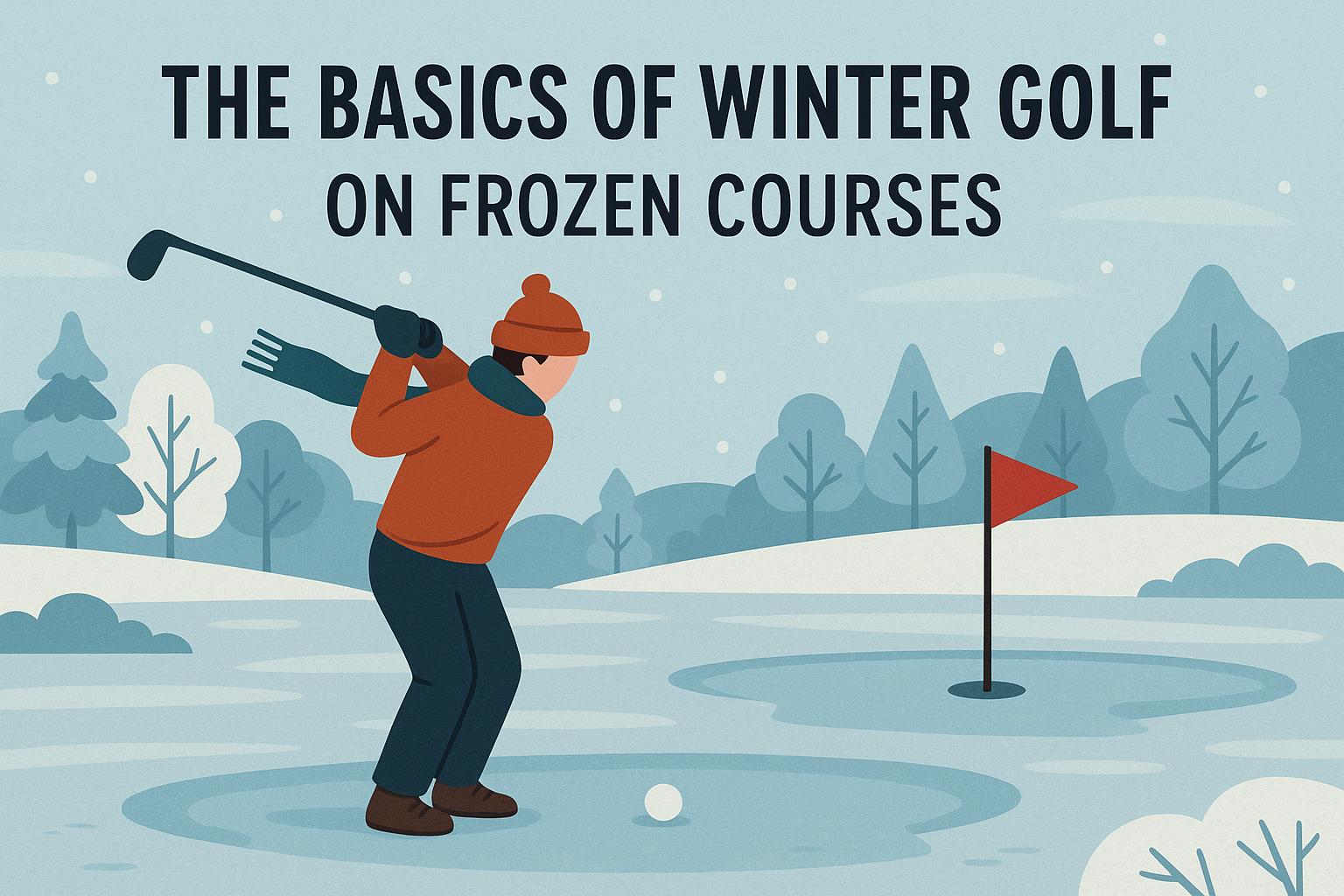
Playing on a frozen course demands a strategic adjustment of one’s playing style. Since the ground is harder, the ball often rolls further upon landing. This factor could impact shot selection, as players might need to aim for areas that account for extended roll-out. Approach shots may require more finesse, with the focus on landing softly to control the ball’s movement.

Further strategic adjustments include reconsidering the club selection for each shot, as the distances will vary from usual. Players will need to be mindful of their swing speed, as cold muscles can affect their performance. Practicing slower, more deliberate movements can help maintain accuracy and strength. Lastly, patience becomes a virtue. Taking the time to judge each shot and account for unpredictable conditions is imperative.

Staying Safe and Hydrated

Cold weather can sometimes disguise dehydration. Players should remember to drink fluids regularly, even if they don’t feel thirsty. Additionally, keeping muscles warm and flexible is vital to prevent injury. Engaging in stretching exercises before and during the round can help maintain optimum performance levels.

Preparation should include light aerobic activities before starting the round, focusing on muscle groups engaged during swings. Regularly stretching between shots keeps the body limber while promoting circulation. Protective measures against the cold, such as using pocket hand warmers or thermally insulated water bottles, can complement hydration efforts and ensure comfort throughout play.

Conclusion

Winter golf on frozen courses presents a distinct set of challenges and opportunities for players. By understanding how to adapt to course conditions and adjusting their equipment and attire, golfers can continue enjoying the game year-round. Engaging in the proper preparation ensures a safe and enjoyable experience on the course even during the coldest months.

Playing golf in winter is about embracing the unique challenges and adapting strategies to match the changed landscape. By doing so, players not only refine their skills but also gain a new appreciation for the sport under different conditions. This dedication to the game reinforces a golfer’s resilience and passion, demonstrating that with the right mindset, golf can indeed be a year-round pursuit.
The history of winter triathlons.

The history of winter triathlons.

Origins of Winter Triathlons

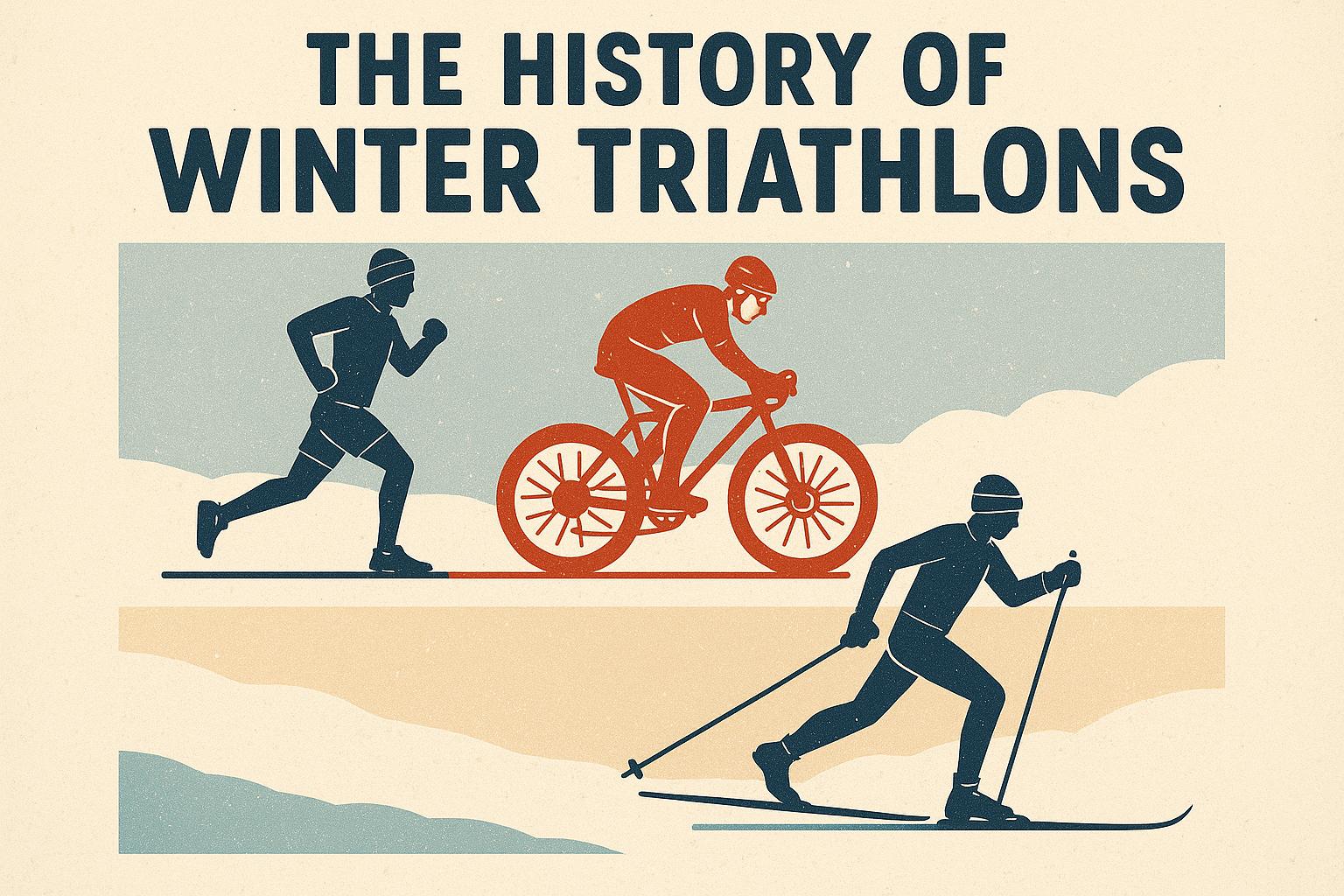
Winter triathlons, an intriguing adaptation of the traditional triathlon, have carved a niche by challenging athletes to confront the rigors of cold-weather conditions. The inception of this unique sport stemmed from the need to adapt athletic competitions to fit colder climates, substituting the swimming element typical of summer triathlons with more climate-suitable activities. Consequently, the swimming leg is replaced with running, mountain biking, and cross-country skiing, making the sport accessible to regions blanketed in ice and snow for a significant portion of the year. This combination tests the participants’ endurance and adaptability, presenting a spectrum of challenges distinct from its summer counterpart.

The roots of winter triathlons stretch back to Scandinavia during the late 1980s. During this period, local sports enthusiasts started to embrace the unique challenge offered by snow-covered landscapes. They began organizing informal competitions incorporating running, mountain biking, and skiing, which soon piqued the interest of local athletes eager to test their endurance against nature’s winter elements. These early events laid the groundwork for what would soon become a structured and popular sport across various cold-climate countries.

Formalizing the Sport

The informal competitions that defined the early stages of winter triathlons began to gain a formal structure as the sport’s popularity slowly rose. By the 1990s, a growing number of athletes and spectators were drawn to the sport, prompting the need for official oversight and organization. This shift towards formalization was a pivotal moment in the history of winter triathlons, setting the stage for the sport to expand beyond its grassroots origins.

This increased interest did not go unnoticed by international sports governing bodies. By 1997, the sport received a significant boost in credibility and visibility when the International Triathlon Union (ITU) officially recognized it as a sanctioned event. The endorsement by the ITU was instrumental in providing the necessary framework for establishing standardized rules and guidelines, ensuring consistency and fairness in competitions. This standardization was critical for attracting international participation and fostering the growth of the sport on a global scale.

Development and Popularization

The 2000s were a period of considerable growth and popularization for winter triathlons, as they expanded their reach far beyond their European origins. During this decade, the sport started garnering attention from countries across North America and Asia. Athletes from diverse backgrounds were drawn to the unique challenges presented by competing in ice and snow conditions. This expansion catalyzed the development of specialized gear and training regimens tailored to the specific demands of winter triathlon races.

One of the significant milestones in the sport’s evolution was the establishment of prestigious events, notably the ITU Winter Triathlon World Championships, which attracted international attention. These championships provided a platform for athletes from around the world to showcase their skills and endurance in cold-weather competitions, elevating the profile of winter triathlons on the global stage. During this period, countries such as Norway, Italy, and Canada emerged as key hubs for competitive winter triathlon racing, hosting numerous national and international events that further solidified the sport’s reputation.

Recent Developments

In recent years, winter triathlons have continued their evolution, fueled by advancements in both technology and accessibility. Athletes now benefit from the latest innovations in gear and training techniques. Specialized bicycles, skis, and apparel are continuously being developed and refined to optimize performance in the often harsh conditions of winter races. These advancements not only aid existing athletes but also lower entry barriers for newcomers, contributing to an expanding participant base.

The digital age has played a vital role in promoting the sport and broadening its reach. Social media platforms and digital content sharing have heightened the profile of winter triathlons, enabling enthusiasts from around the globe to follow events, participate in virtual competitions, and build a vibrant community around the sport. This online presence has been instrumental in encouraging new participants and engaging a global audience, further promoting the sport’s growth.

Moreover, there is ongoing dialogue among different governing bodies regarding the inclusion of winter triathlons in major multi-sport events, such as the Winter Olympics. While not yet part of the Olympic lineup, these discussions point to a rising interest in providing winter triathlons with a broader platform. The potential inclusion in such high-profile events would be a significant milestone, elevating the sport’s status and appeal to elite athletes worldwide.

Conclusion

Winter triathlons remain a fascinating amalgamation of traditional endurance sports, enriched by the complexity of winter conditions. Although the sport’s timeline is relatively short, its dynamic growth and adaptability over the past few decades underscore a broader trend—athletes and sports enthusiasts’ growing interest in diverse and challenging competitions. The sport’s development from informal, local events in Scandinavia to recognized international competitions highlights the passion and dedication of those involved in bringing winter triathlons to the global arena.

Looking ahead, the future appears bright for winter triathlons. With ongoing innovation in equipment and training, combined with increased exposure through digital and social media, the sport is poised to reach new heights. The sustained dialogue surrounding its inclusion in events like the Winter Olympics further suggests a promising trajectory. As more athletes and fans discover the unique appeal of winter triathlons, the sport is likely to continue its journey of growth and recognition on the world stage.

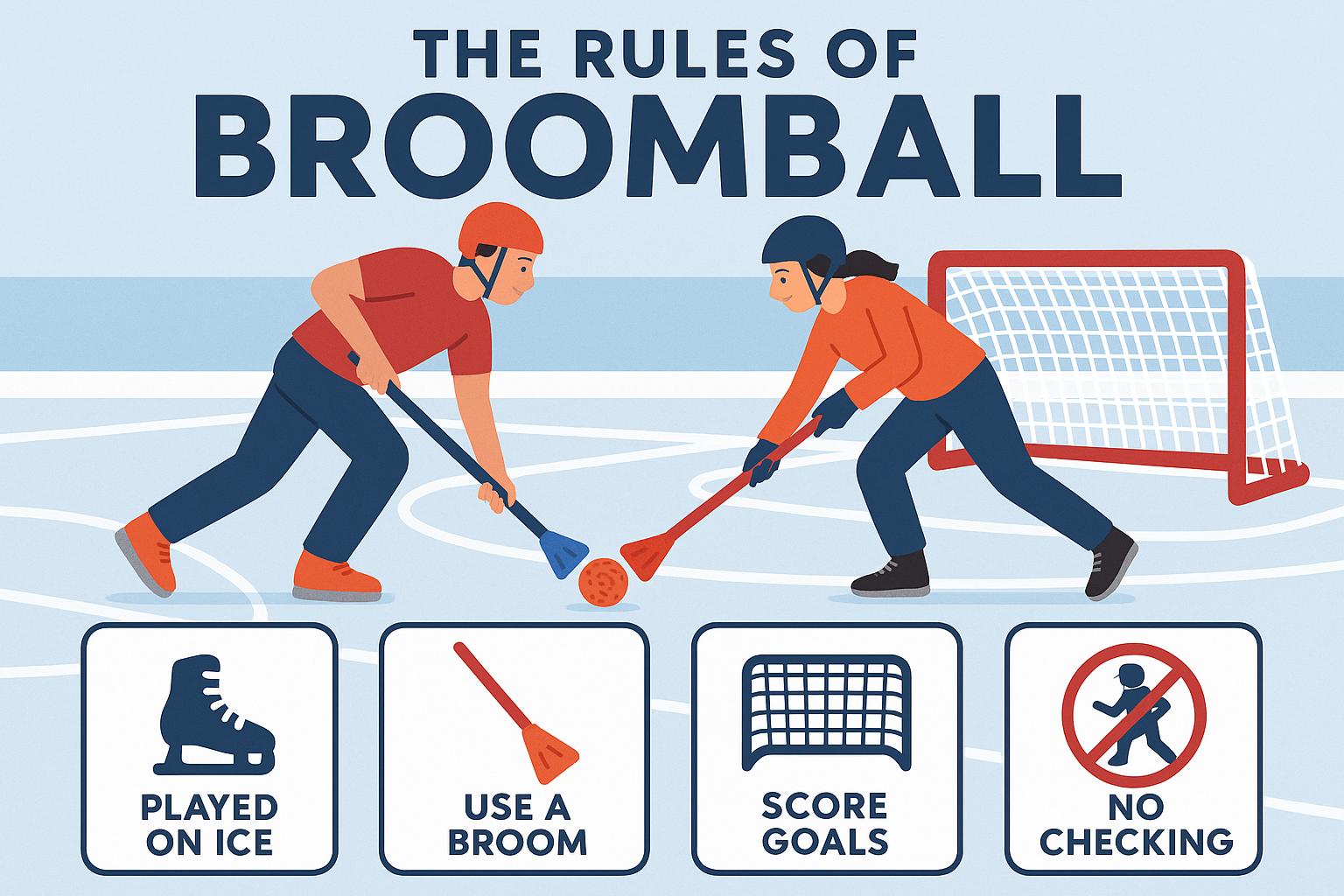
The rules of broomball and how it’s played.

The rules of broomball and how it’s played.

Introduction to Broomball

Broomball is an engaging team sport with a significant resemblance to ice hockey, designed for play on an ice rink. It involves players utilizing brooms and a ball in place of hockey sticks and a puck. The sport enjoys popularity predominantly in cold-climate regions, such as Canada, the United States, and various parts of Europe. Observing or playing broomball becomes more captivating when one gains an understanding of its rules and nature of play.

The Objective of the Game

The core aim in broomball is to outscore the opposing team. Players make attempts to direct the ball into their competitor’s net using brooms. Each team is composed of six players, consisting of five outfield players on the rink and one goalkeeper responsible for guarding the goal.

Equipment and Rink Setup

Broomball involves specific equipment, namely brooms, rubber-soled shoes, and a ball. The playing rink bears similarity in size to an ice hockey rink yet is often prepared with a thin water layer over the ice to minimize slipperiness. The goals mirror those used in ice hockey, and boards encircle the rink to complete the setup.

Playing Positions

A varied array of playing positions in broomball permits strategic balance and effectiveness:

  • Goalkeeper: Tasked with defending the net, the goalkeeper aims to thwart the opposition’s attempts to score.
  • Defenders: Responsible for safeguarding the defensive zone near their goal, these players assist the goalkeeper and act to prevent the ball from reaching the net.
  • Forwards: As the prime attackers, forwards focus on breaching the opponent’s defenses to score.
  • Center: Vital for facilitating play transitions from defense to offense, the center plays a supportive role to both forwards and defenders.
Game Duration and Winning

The structure of a standard broomball game comprises two halves, each extending between 15 to 20 minutes, which might vary according to league or tournament rules. In case of a tie at the close of regular play, solutions such as overtime or a sudden-death shootout may be employed, subject to specific league guidelines.

To further understand the dynamics of game duration, it’s important to note that pace and intensity can greatly influence gameplay. Teams often strategize on managing player stamina and sustaining momentum throughout the allotted game time. Substitution players need to remain ready for instant entry to exploit changes in play or to cover tired teammates, maintaining a high energy level crucial for success in both regular time and potential overtime scenarios.

Fouls and Penalties

Broomball, akin to numerous other sports, implements a rule system devised to promote fairness and safety. Common infractions include what is termed “high brooms,” where a player’s broom rises above waist height, as well as tripping and body checking. Such violations accrue penalties resulting in offenders serving time in the penalty box, conventionally ranging from two to five minutes, consequently leaving their squad with one less player on the rink.

The penalty system not only acts as a deterrent against overly aggressive play but also offers tactical opportunities. Teams must adeptly shift strategies to accommodate the temporary loss of a player via increased defensive coordination or focusing counter-attacks during power plays when the opponent is shorthanded.

Strategy and Tactics

Developing a successful strategy in broomball demands a comprehension of both personal player capabilities as well as team dynamics. Defensive teams must balance proactive aggression to reclaim possession with conservative guarding measures to protect the goal. Formations may vary depending on prevailing conditions, opponent behavior, and coaching decisions, emphasizing the importance of adaptability.

On the offensive end, player spacing and passing accuracy are critical. Teams usually employ a combination of short, quick passes to maneuver through opposing defenses effectively. Utilizing the edges of the rink for swift play alterations is a common tactic to bewilder defenders, creating scoring opportunities from unexpected angles.

Conclusion

Broomball represents a dynamic and accessible sport suitable for enthusiasts across varying skill levels. Thus, comprehending its basic elements and rules can greatly enhance both participation and spectating experiences. With continued interest and exploration, such as through resources available at local league websites or sports venues, individuals gain subsequent opportunities to engage with the sport, whether by witnessing events firsthand or actively participating on the ice.

The importance of stretching and recovery in winter sports.

The importance of stretching and recovery in winter sports.

The Role of Stretching in Winter Sports

Stretching plays a pivotal role in maintaining physical fitness, especially when it comes to winter sports. Cold temperatures inherent in these sports pose a greater risk of muscle injuries due to the body’s physiological response of contracting and tightening muscles. Engaging in winter sports, which require significant physical exertion, becomes much safer and more enjoyable with a dedicated stretching routine. By focusing on improving flexibility and preserving the range of motion, athletes can enhance their performance while reducing the possibility of injuries.

Benefits of Stretching

The advantages of incorporating stretching into a winter sports routine are manifold. One of its most notable benefits is the enhanced blood flow to muscles, which is fundamental in preparing the body for the physical demand of winter sports. A warm-up regimen that increases blood circulation ensures muscles are ready for activity, reducing the risk of strains and tears.

Improved flexibility is another significant benefit that stretching provides. Sports like skiing, snowboarding, and ice skating demand a variety of complex movements, and increased flexibility allows athletes to execute these movements more efficiently and with greater ease. Furthermore, stretching can significantly reduce stiffness and soreness in muscles, contributing to greater overall comfort and improved performance during athletic endeavors.

The Importance of Recovery

In any athletic activity, recovery holds equal importance to the physical activity itself. This principle is particularly true for winter sports, where effective recovery is essential for athletic performance and injury prevention. Proper recovery helps in restoring energy reserves, repairing muscles, and preventing fatigue accumulation that might impair subsequent performances.

Elements of Effective Recovery

Several critical components contribute to effective recovery in winter sports:

Rest and Sleep: Ensuring ample rest through quality sleep is crucial. During sleep, the body engages in various repair processes, including protein synthesis and hormone production, which are essential for muscle recovery.
Hydration: Despite the cold weather, hydration remains a priority. Cold environments might mask feelings of thirst, but maintaining adequate hydration is imperative for optimal bodily functions and efficient recovery mechanisms.
Nutrition: A nutritional intake rich in essential nutrients supports muscle repair and replenishment of glycogen stores, which can be depleted during intense physical activities.
Active Recovery: Participating in low-intensity exercises such as light swimming or yoga helps keep the muscles engaged without exerting too much strain. These activities promote healthy blood circulation and enhance recovery.

Integrating Stretching and Recovery

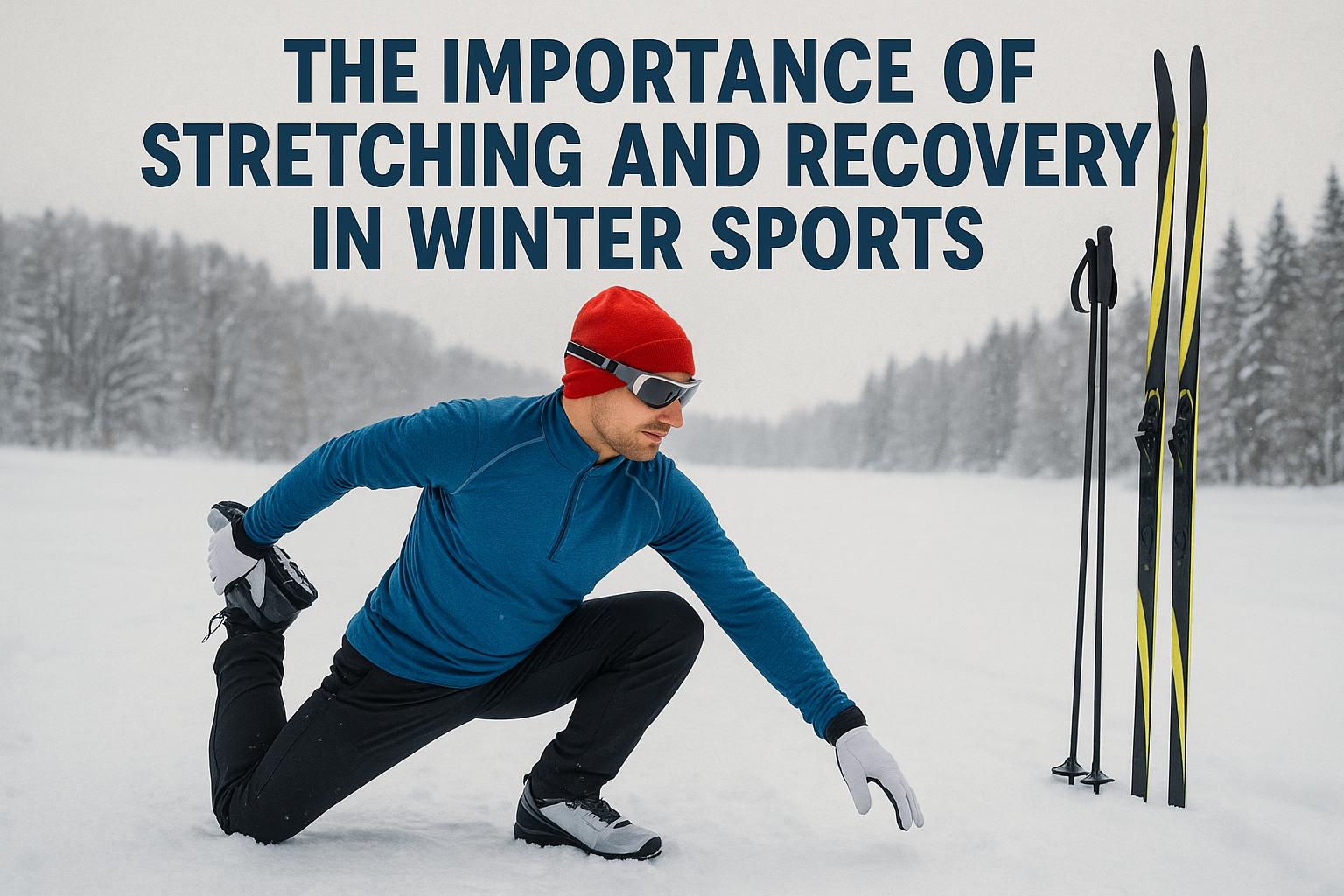
For athletes engaged in winter sports, establishing a routine that includes both stretching and recovery is indispensable. Before participating in activities, incorporating dynamic stretches helps to warm up the muscles adequately. These stretches are designed to prepare the body for movement, improving elasticity and function.

Static stretches, on the other hand, are more appropriate for post-activity. These stretches aid in cooling down the body by gently elongating muscles that might have tightened during the activity. This cooling down through static stretching helps relax the muscles, prevent stiffness, and gradually return the heart rate to normal levels.

Integrating effective recovery strategies into this routine ensures that athletes are not only prepared for their current activity but are also primed for future performances. By minimizing the risk of overuse injuries and maintaining peak performance levels, athletes can continue to participate in winter sports safely and effectively.

For sporting enthusiasts seeking further guidance on how strategic stretching and recovery can enhance athletic performance, numerous resources are available. Such resources can offer insights into the best practices that can help achieve a safer and more fulfilling sporting experience. By systematically integrating these practices into their regimes, athletes and winter sports enthusiasts can unlock new heights of performance while safeguarding their physical well-being.

The excitement of night skiing and snowboarding.

The excitement of night skiing and snowboarding.

Introduction to Night Skiing and Snowboarding

Night skiing and snowboarding provide a unique opportunity to experience winter sports under the stars. Many ski resorts globally offer this thrilling experience, which allows individuals to enjoy the slopes after the sun has set. Skiers and snowboarders are often greeted with illuminated trails, fewer crowds, and a distinct atmosphere that daytime skiing cannot replicate.

The Experience of Night Skiing

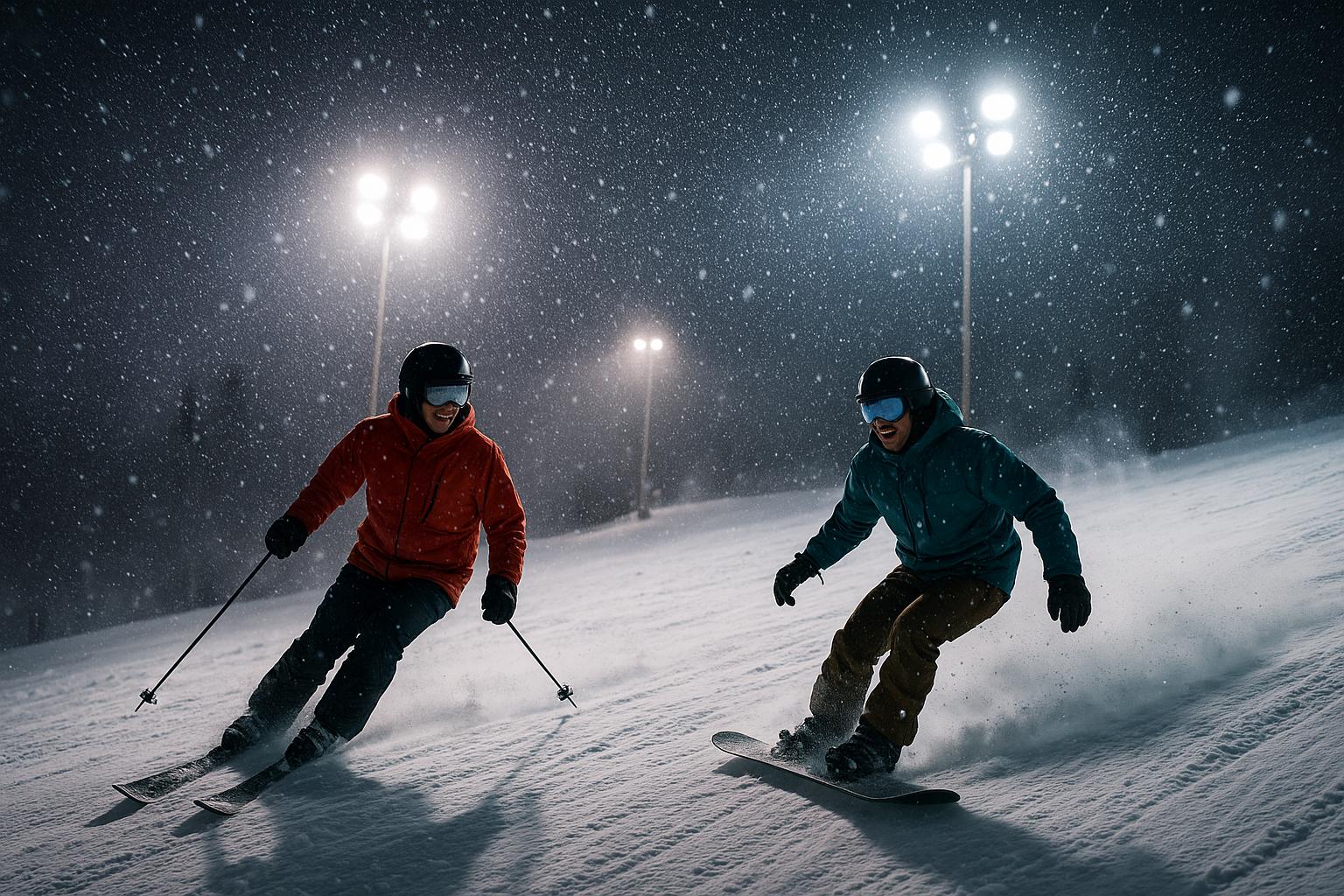
Experiencing skiing at night comes with a range of distinct features. The calmness of the night enhances the serenity of gliding down a mountain, while the twinkling lights of the ski runs create an almost magical ambiance. These runs are carefully lit for safety, often using powerful floodlights to ensure the adequate visibility needed for a safe experience.

When venturing onto the slopes under the night sky, individuals can enjoy the quiet hush that falls over the mountain. This tranquility is woven with the new dynamic created by the artificial lighting, which highlights different aspects of the terrain, sometimes creating a unique perspective compared to daytime skiing. The trails appear more defined, and the peaks contrast beautifully against the starry sky.

Fewer Crowds: One of the primary attractions of night skiing is the reduced number of skiers on the slopes. It allows for more leisurely and less congested runs, contributing to a more enjoyable experience for many. Skiing in the evening often means shorter lift lines and less waiting, giving skiers and snowboarders the opportunity to have more runs in a shorter amount of time. This setting often attracts beginners who might find busy daytime slopes intimidating.

Extended Hours: Night skiing also offers the advantage of extended skiing hours. For avid skiers looking to maximize their time on the mountain, this means squeezing in additional runs and making the most out of lift tickets. Night skiing is especially beneficial to those with daytime obligations such as work or family commitments. This makes the sport more accessible, appealing to a wider range of enthusiasts by not limiting skiing to daylight hours.

The Equipment and Preparation

Night skiing and snowboarding require specific preparations. Due to the chillier conditions at night, it is essential to wear adequate layers to stay warm. Insulated jackets, gloves, and face masks are recommended. These items are important for maintaining comfort, as skiing in the colder evening air can be quite intense if ill-prepared.

When it comes to eye protection, it is advisable to use goggles with clear or light lenses rather than those intended for bright sunlight. Visibility is crucial, and the right lenses help adjust to the adjusted illumination of nighttime slopes. While some might consider additional lighting systems like headlamps as personal equipment, they are often not necessary due to the comprehensive lighting provided by the resorts.

Lighting Systems: The role of artificial lighting is critical in night skiing. Resorts utilize a variety of lighting systems, strategically positioned along the trails to offer clarity and support safe navigation down the mountain. Each bulb is placed with precision to ensure that crests, turns, and runs are all visible, eliminating potential hazards posed by shadows.

Popular Destinations for Night Skiing

Many destinations across the world cater to night skiing enthusiasts. North America, Europe, and Asia all boast resorts that provide extensive night skiing facilities. For example, Brighton Resort in Utah, USA, and Keystone Resort in Colorado offer impressively lit ski trails. These resorts are known for their excellent grooming that ensures the runs are as smooth and safe as possible. In addition to the quality of the slopes, they provide a cozy base with amenities such as warm lodges or après-ski opportunities.

In Europe, Kalpalinna in Finland is known for its night skiing and has been a popular option among both locals and tourists. The region’s long winters provide numerous opportunities to enjoy the slopes in the dark. Resorts in Austria and Switzerland also offer exceptional night skiing experiences that draw international visitors keen to try this unique activity.

Factors to Consider

Safety is paramount when participating in night skiing. Skiers and snowboarders should remain in well-lit areas and adhere to resort guidelines and hours of operation. Abiding by these rules ensures that everyone can safely enjoy their time on the mountain. It is also crucial for participants to be aware of their surroundings and alert to other skiers and snowboarders nearby.

Before heading out, it’s also important to check weather conditions, as visibility can be more challenging during adverse weather. Fog or heavy snowfall might impair the efficacy of lighting and visibility on the slopes, so postponing the activity during such conditions is advisable. Ensuring equipment is in optimal condition and maintaining communication with the group or resort authorities can enhance safety.

By understanding these factors and adequately preparing, night skiing or snowboarding offers an exceptional alternative to daytime slopes. It combines the thrill of the sport with the tranquil allure of the night, making it a noteworthy option for winter sport enthusiasts. The experience brings together technical skill, natural beauty, and a sense of adventure, providing a comprehensive treat for all involved. Whether attempted as a once-in-a-lifetime experience or a regular winter activity, night skiing opens up a significant new dimension to alpine sports enjoyment.