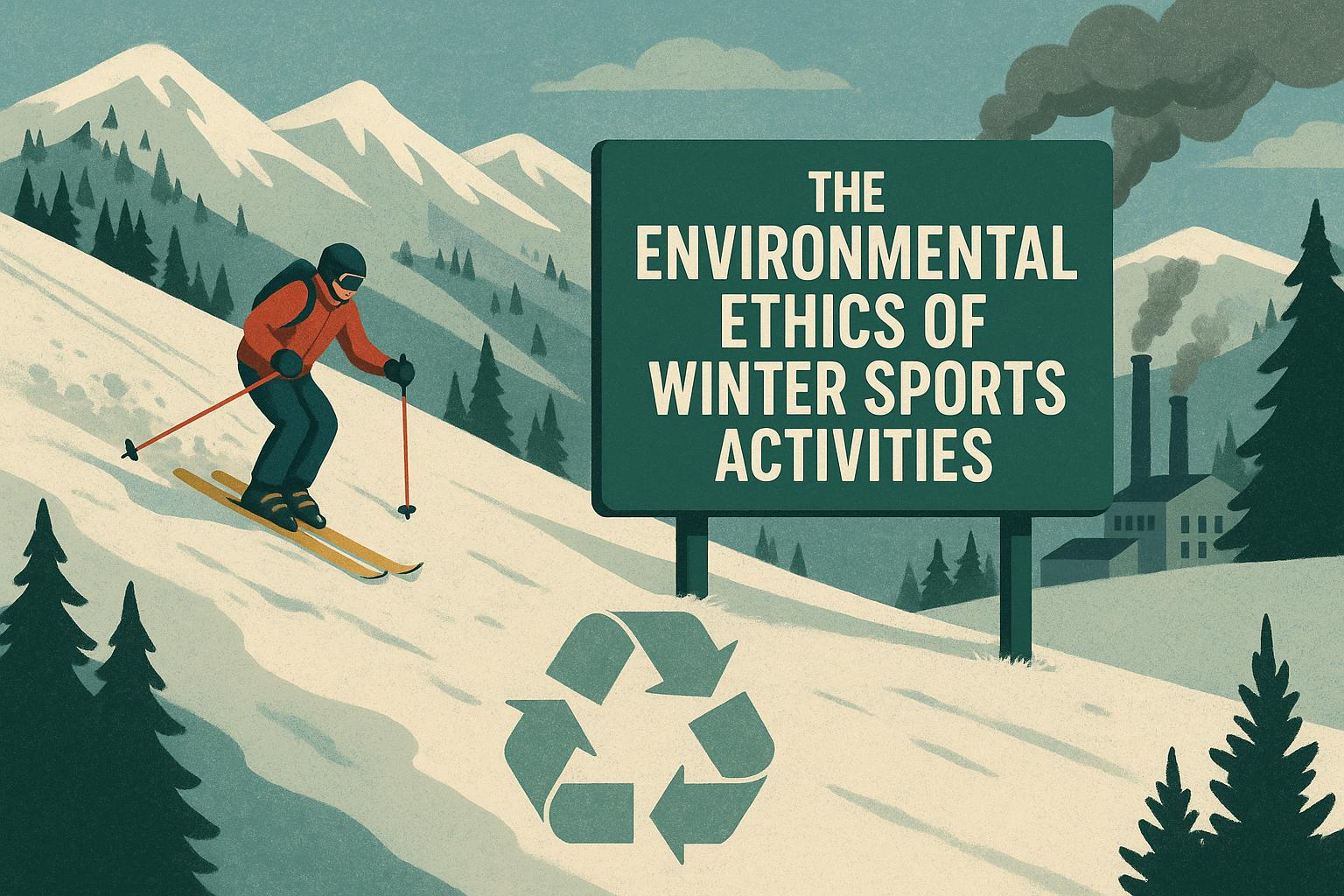
The Impact of Winter Sports on the Environment
Winter sports activities, ranging from skiing and snowboarding to snowmobiling and ice climbing, are popular forms of recreation. However, they also have significant environmental impacts, which raises important ethical questions. As enthusiasts venture into pristine mountain areas, the footprint left behind poses challenges to the balance of these ecosystems. Below is an expanded exploration of how winter sports affect the environment, encompassing various facets of their impact.
Effects on Natural Landscapes
Winter sports often occur in sensitive mountain ecosystems, which can be particularly vulnerable to human disturbance. The construction of ski resorts and related infrastructure, such as roads and accommodations, can lead to deforestation and habitat fragmentation. These activities not only disrupt local flora and fauna but also increase the risk of soil erosion and water pollution. As developers carve paths through forests, the alteration of landscapes often leads to the destabilization of soil, resulting in erosion. This issue is particularly acute during the spring thaw when melting snow can carry away soil and nutrients, affecting downstream water quality.
The landscape alterations induced by resort constructions stand in stark contrast with the original ecosystems, affecting not just plant life but also the intricate web of animal species that depend on undisturbed habitats. Maintaining the integrity of these ecosystems is crucial, as they provide benefits such as carbon sequestration, water filtration, and biodiversity conservation.
Snowmaking
Given the dependency of winter sports on adequate snow cover, many resorts rely on artificial snowmaking. This practice involves significant water consumption and energy use, contributing to both local water scarcity and greenhouse gas emissions. It is crucial to consider the long-term sustainability of snowmaking as climate change continues to alter snowfall patterns. Snowmaking requires vast amounts of water, often extracted from local water bodies, thereby impacting aquatic ecosystems and the communities relying on these water sources.
The energy required to produce and maintain artificial snow is also considerable, largely sourced from fossil fuels, further contributing to the carbon footprint of winter sports. As global temperatures rise, the reliance on artificial solutions will likely increase, resulting in a paradoxical scenario where efforts to sustain winter sports inadvertently contribute to climate change.
Wildlife Disturbance
The presence of winter sports activities can disturb native wildlife. Increased noise and human activity may lead to changes in animal behavior, such as altered feeding patterns and increased stress levels. Moreover, some species may be forced to abandon their habitats, threatening biodiversity in these regions. For instance, species that thrive in silence and isolation, like certain bird species and larger mammals, can find the constant human presence intolerable, leading them to relocate, which may impact their survival rates.
The disruption is not limited to noise pollution; the introduction of food waste and litter into the environment can alter local food chains and introduce non-native species or diseases, further compounding the issue. Ensuring wildlife corridors and educating visitors on minimizing their impact can play a significant role in mitigating these disturbances.
Carbon Footprint
Transportation to and from winter sports destinations also contributes to their overall carbon footprint. Many enthusiasts rely on cars or air travel to reach their selected locations, further exacerbating greenhouse gas emissions. Promoting public transport options and carpooling can help mitigate these impacts. For international visitors, long-haul flights greatly increase the carbon footprint associated with their winter sports activities, emphasizing the need for more sustainable travel options.
Among potential solutions are increasing accessibility to resorts through climate-friendly transportation methods, such as electric buses or trains, and incentivizing shared transport options. Implementing policies and partnerships with transport companies aiming at reducing emissions can also be part of a broader strategy to address this challenge.
Waste Generation
The influx of visitors to winter sports areas generally leads to increased waste production. This includes not only general litter but also specialized waste like broken equipment and non-biodegradable materials. Ensuring proper waste management systems is essential to minimize environmental degradation. The infrastructure required to handle waste in remote areas can be inadequate, leading to overflowing waste bins and litter finding its way into natural areas.
Additionally, obsolete ski equipment, often made from composite materials, ends up in landfills, posing a disposal challenge. Encouraging recycling programs, where old equipment is repurposed or properly recycled, could significantly mitigate this issue. Moreover, fostering a culture that prioritizes eco-friendly materials and reusable gear can also help reduce waste.
Ethical Considerations
The environmental ethics of winter sports focus on balancing recreational enjoyment with ecological responsibility. This involves making informed choices, such as supporting eco-friendly resorts, utilizing sustainable gear, and abiding by “leave no trace” principles. Engaging with organizations that advocate for the conservation of winter environments can also make a significant difference. Ethical considerations extend beyond individual actions to include policy-level interventions where stakeholders can advocate for laws and norms that prioritize sustainability in winter sports.
By choosing resorts that adhere to environmental regulations and standards, individuals can influence the industry towards more sustainable practices. Supporting innovations in eco-friendly winter sports technology and gear can further push the market towards greener solutions.
Steps Toward Sustainability
To address these environmental concerns, many winter sports businesses are implementing more sustainable practices. These include renewable energy use, enhanced public transportation facilities, and investments in eco-restoration projects. Additionally, educational initiatives aimed at increasing awareness among sports enthusiasts about their environmental impact are becoming more prevalent.
In striving for sustainability, resorts are increasingly turning to renewable energy sources, such as wind and solar, to power their facilities. Initiatives to restore and preserve the natural landscapes—such as reforesting areas affected by development—are essential for balancing ecological impact. Moreover, workshops, seminars, and visitor centers that educate tourists on the ecological dynamics of mountain environments help foster a culture of environmental stewardship.
For further reading on sustainable winter sports practices, and how individuals can contribute, you might explore resources from organizations like Protect Our Winters or Snowcarbon. These organizations provide valuable insights and practical steps that enthusiasts and the industry can take to ensure that the wonders of winter sports can be enjoyed responsibly and sustainably for generations to come.