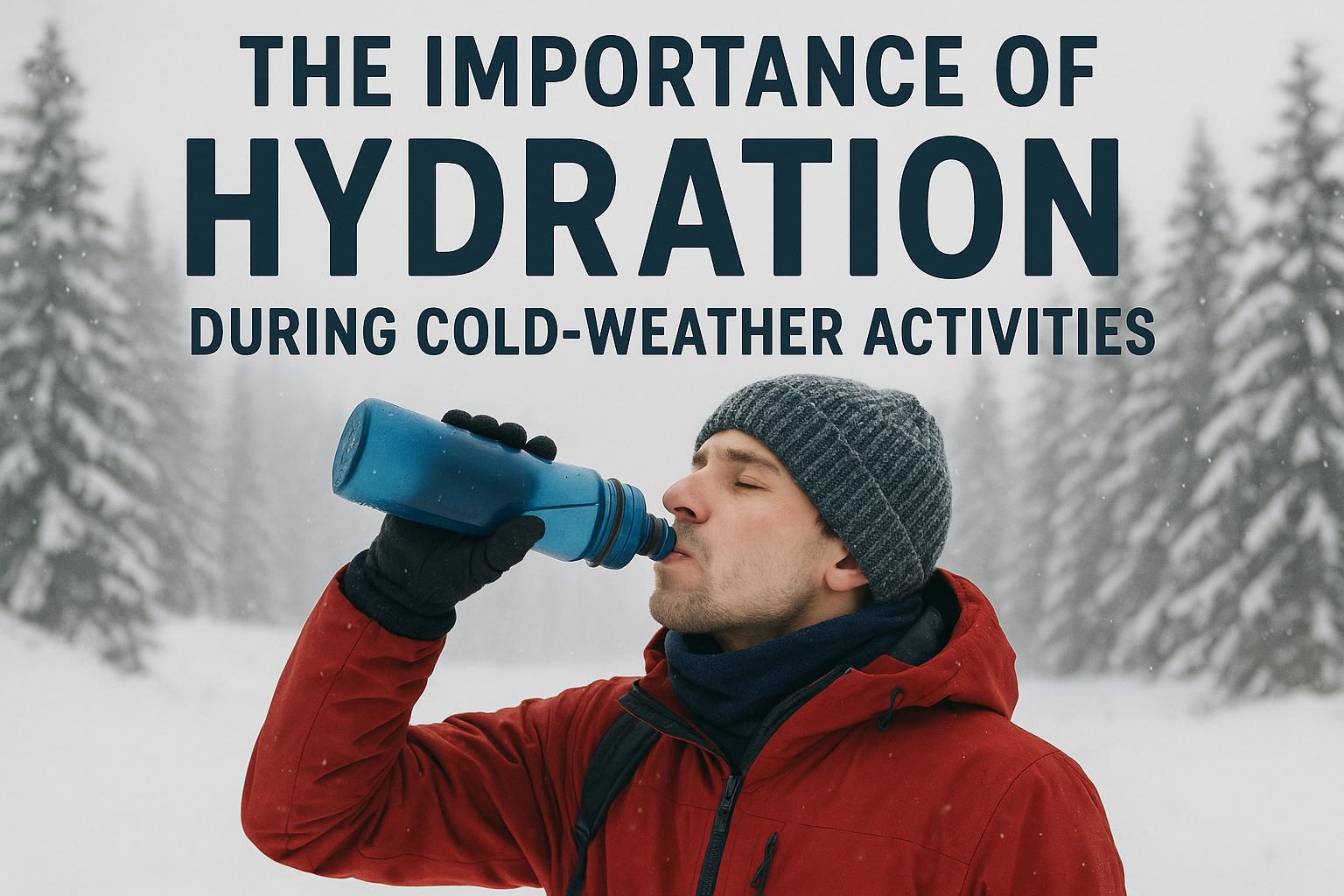
The importance of hydration during cold-weather activities.

The importance of hydration during cold-weather activities.

The Role of Hydration in Cold-Weather Activities

During cold-weather activities, the focus on staying warm can often overshadow the crucial need for staying hydrated. Hydration is as essential in cold weather as it is in hot weather. While the sensation of thirst may not be as prominent in cooler climates, the body’s need for water remains significant.

Understanding the Risk of Dehydration in Cold Weather

Even when not immediately apparent, dehydration can occur during winter activities like skiing, snowboarding, or hiking. In colder temperatures, the body’s thirst response is diminished by up to 40%. This reduced urge to drink can lead to insufficient fluid intake.

Moreover, the body loses considerable moisture through respiration. Cold air is usually drier, and each breath taken leads to moisture loss. Additionally, engaging in physical activity in cold weather increases sweat production. Sweat often evaporates quickly in the cold, dry air, contributing further to unnoticed fluid loss.

Physiological Demands of Cold Weather on the Body

Cold weather can impose unique stresses on the body’s physiological processes, demanding increased caloric and water intake. When temperatures drop, the body works harder to maintain core temperature, resulting in increased energy expenditure. This energy expenditure requires adequate hydration to maintain optimal metabolic functioning.

Several studies highlight that dehydration can also affect the body’s ability to regulate temperature. This is particularly concerning in cold environments where adequate thermoregulation is critical to prevent hypothermia.

Key Strategies to Maintain Hydration

To prevent dehydration during cold-weather activities, it is essential to consume fluids regularly, even if thirst is not present. Carrying a water bottle and setting reminders to drink at regular intervals can be helpful. Warm beverages, such as herbal teas or broths, can also aid in maintaining hydration levels while providing warmth.

It is crucial to avoid diuretics such as caffeinated beverages, as they can increase fluid loss. Monitoring the color of urine can also serve as a simple guide to hydration status, with pale yellow indicating adequate hydration.

Conclusion

Recognizing the importance of hydration during cold-weather activities is fundamental to maintaining health and performance. By understanding the risks and adapting strategies to ensure adequate fluid intake, individuals can enjoy their activities safely and effectively, even in the coldest conditions.

Exploring the Science of Cold-Weather Dehydration

The physiology of cold-weather dehydration involves a complex interplay of internal and external factors. The external cold environment influences internal physiological responses, leading to a muted perception of thirst. This is primarily due to the constriction of blood vessels just beneath the skin that conserves body heat. As a result, the body’s core temperature is prioritized over peripheral sensation, diminishing signals of thirst.

The body’s renal function can also be affected in such environments. Increased urine production, known as cold-induced diuresis, is a response to maintaining cardiovascular stability during changes in core and skin temperatures. This can inadvertently lead to increased fluid loss without the accompanying sensation of needing to replenish those fluids.

The Role of Nutrition in Hydration

Nutrition plays a complementary role in hydration during cold-weather activities. Foods with high water content, such as fruits and vegetables, can contribute to maintaining hydration levels. Consuming nutrient-rich, hydrating foods ensures the body has adequate electrolytes, which play a fundamental role in fluid balance and muscle function.

Nutritious meals that complement regular fluid intake can provide a balanced approach to hydration. For instance, soups made with vegetables and lean proteins not only supply warmth and calories necessary for energy but also contribute to overall fluid intake.

Impact of Altitude on Hydration

Cold-weather activities often coincide with high-altitude environments, which introduce additional challenges to hydration. At higher altitudes, the air is thinner and contains less oxygen, leading to increased respiration rates that elevate water loss through breaths. The diuretic effect of altitude further exacerbates fluid loss as the kidneys respond to decreased oxygen levels by increasing urine output, intensifying the need for vigilance regarding hydration.

It is advisable for individuals engaging in activities at altitude to begin hydrating several days before ascending. This proactive approach allows the body to adjust to the elevation changes and improves performance and endurance.

Evaluating Personal Hydration Needs

Understanding personal hydration needs involves an awareness of various factors unique to each individual. Variables such as body size, age, activity level, and overall health conditions can affect fluid requirements. For example, a larger individual may require more fluids due to a greater volume of body water relative to body mass. Similarly, older adults may have a diminished thirst response, necessitating a more conscientious effort to ingest fluids regularly.

Tailoring hydration strategies to personal activities and circumstances ensures an effective approach to maintaining adequate fluid levels. Keeping a hydration diary can assist in tracking aspects like fluid intake, activity duration, and physical symptoms, thereby aiding in the assessment and adjustment of one’s regimen.

Maintaining Hydration in Group Activities

Cold-weather activities often occur in group settings, such as family ski trips or guided hiking tours. Group dynamics can influence hydration levels, as individuals may prioritize social interactions over personal needs. Encouraging group members to stay hydrated can foster a supportive environment that ensures everyone’s well-being.

In group environments, leaders or guides can play a pivotal role in emphasizing routine hydration breaks. Additionally, sharing hydrating snacks or drinks provides opportunities for social bonding while simultaneously promoting fluid intake.

Technological Aids in Hydration Monitoring

Emerging technology offers innovative solutions for monitoring hydration levels, providing additional tools for those venturing into cold environments. Smart water bottles equipped with sensors can track fluid intake and send reminders to drink based on pre-set goals. Wearable devices can also measure biometrics that indicate hydration needs, such as sweat rate and skin temperature.

These technologies can serve as valuable additions to an individual’s toolkit, particularly for tech-savvy adventurers interested in optimizing their hydration strategies with the aid of real-time data and analytics.

Conclusion

In conclusion, understanding the comprehensive role of hydration in cold-weather activities extends beyond just drinking water. It requires recognizing the intricate interactions between environmental conditions, physiological responses, and individual needs. By exploring various facets such as nutrition, altitude, and technological aids, individuals can develop sophisticated strategies for maintaining hydration. Whether participating in solitary cold-weather activities or group endeavors, a commitment to staying informed and proactive in hydration practices ensures not only safety but also enjoyment and performance in winter pursuits.
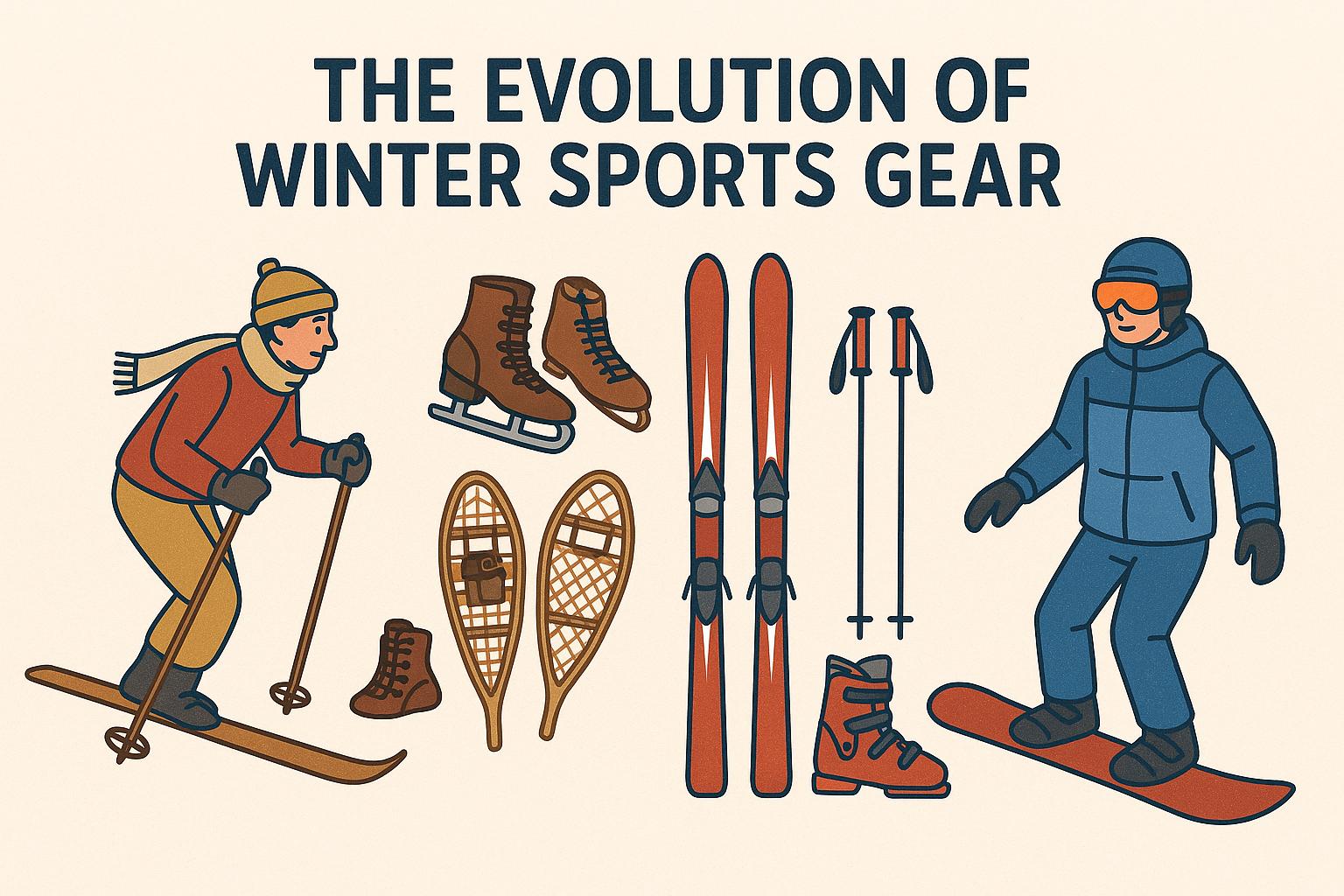
The evolution of winter sports gear.

The evolution of winter sports gear.

The Evolution of Winter Sports Gear

Winter sports have a rich history, and the gear used in these activities has undergone significant transformation over the decades. This evolution has been driven by advances in technology, changes in materials, and a better understanding of the needs of athletes. As our knowledge of materials science and engineering has developed, so too have the tools we use to engage with winter sports, ensuring safety, improving performance, and enhancing overall experience.

Early Beginnings of Winter Sports Equipment

The origins of winter sports can be traced back to ancient times when humans sought practical means to travel over snow and ice. Historical findings suggest that early ski users fashioned their skis from available wood. These primitive ski designs lacked modern bindings, compelling skiers to rely heavily on poles for balance and propulsion. Despite their rudimentary nature, these early skis were key in aiding ancient communities to move efficiently across snowy landscapes.

Simultaneously, the evolution of ice skating can be tracked back to bone skates found in Scandinavia, dating as far back as 1800 BCE. These bone skates were strapped to shoes and provided a means for travel across frozen waterways. With time, iron blades replaced bones, offering enhanced durability and glide, marking a significant leap in the evolution of skating equipment.

Introduction of Modern Materials

Significant breakthroughs in winter sports equipment occurred in the 20th century, coinciding with the development of new materials. The introduction of synthetic fibers and plastics radically improved the design and functionality of skis, snowboards, and other sports gear, leading to more reliable, durable, and high-performance equipment.

Fiberglass and plastics were pivotal in enhancing the performance of skis, enabling manufacturers to produce lighter and more resilient gear. Modern skis have greatly benefited from the incorporation of carbon fiber, known for its remarkable properties of being both lightweight and strong. This advancement not only facilitated easier maneuverability for skiers but also helped in managing the dynamic forces experienced during skiing.

In the domain of ice skating, the advent of polymers in the composition of skates resulted in designs that offered better support and fit. These innovations allowed for precision manufacturing that catered specifically to an athlete’s foot, enhancing both comfort and performance through customized fit and support.

Impact of Technology

The influence of technology cannot be overstated in the development of winter sports gear. Modern advancements have led to the creation of highly specialized equipment. This trend is particularly evident in the development of smart wearables designed for winter sports enthusiasts. These devices are equipped to provide real-time data, such as heart rates, location tracking, and other performance metrics. The data-driven approach not only assists athletes in refining their techniques but also plays a crucial role in monitoring and optimizing safety standards.

Smart wearables have revolutionized training regimes and performance strategies, as athletes can now assess their performances against measurable metrics. This transformation highlights a broader trend of technological integration into sports equipment, enabling athletes to achieve higher precision, efficiency, and safety.

Safety Enhancements

With the evolution of winter sports gear, there has been a considerable focus on enhancing safety for participants. The engineering behind helmets has advanced to incorporate materials like expanded polystyrene foam, designed to efficiently dissipate impact energy, making helmets more effective yet lighter and more aesthetically appealing.

Similarly, advancements in goggle technology have addressed crucial concerns related to visibility and eye protection. Anti-fogging features, coupled with UV protection, have become standard, ensuring athletes maintain clarity of vision under varying environmental conditions. These innovations have improved safety during sports, allowing participation in diverse weather conditions without compromising on safety.

Current Trends and Future Directions

As winter sports continue to gain popularity, innovations in equipment design and technology are expected to further evolve to address growing and dynamic requirements. Current trends indicate a rising focus on sustainability, with manufacturers increasingly adopting recyclable materials and eco-friendly production processes. This focus on environmental responsibility reflects a shift in consumer priorities, aimed at reducing the ecological footprint of sports activities.

Moreover, the future of winter sports gear is likely to witness an even deeper integration of digital technology. This could include expanded functionalities in smart wearables and other devices, enabling more personalized and data-driven approaches to performance analysis and safety management. Prospects for gear customization, through dynamic adjustability or tailored production techniques, may also become more prevalent.

For those interested in learning more about specific advancements in winter sports gear, extensive resources are available online from both manufacturers and sports organizations. These platforms offer insights into emerging technologies, trends, and standards shaping the industry.

In conclusion, the progression of winter sports gear—from ancient rudimentary designs to the highly advanced equipment of today—illustrates the profound impact of technological and material advancements over time. As winter sports grow in complexity and popularity, continuous innovation will drive the industry forward, ensuring that athletes have access to the best tools to enhance their safety, performance, and enjoyment.

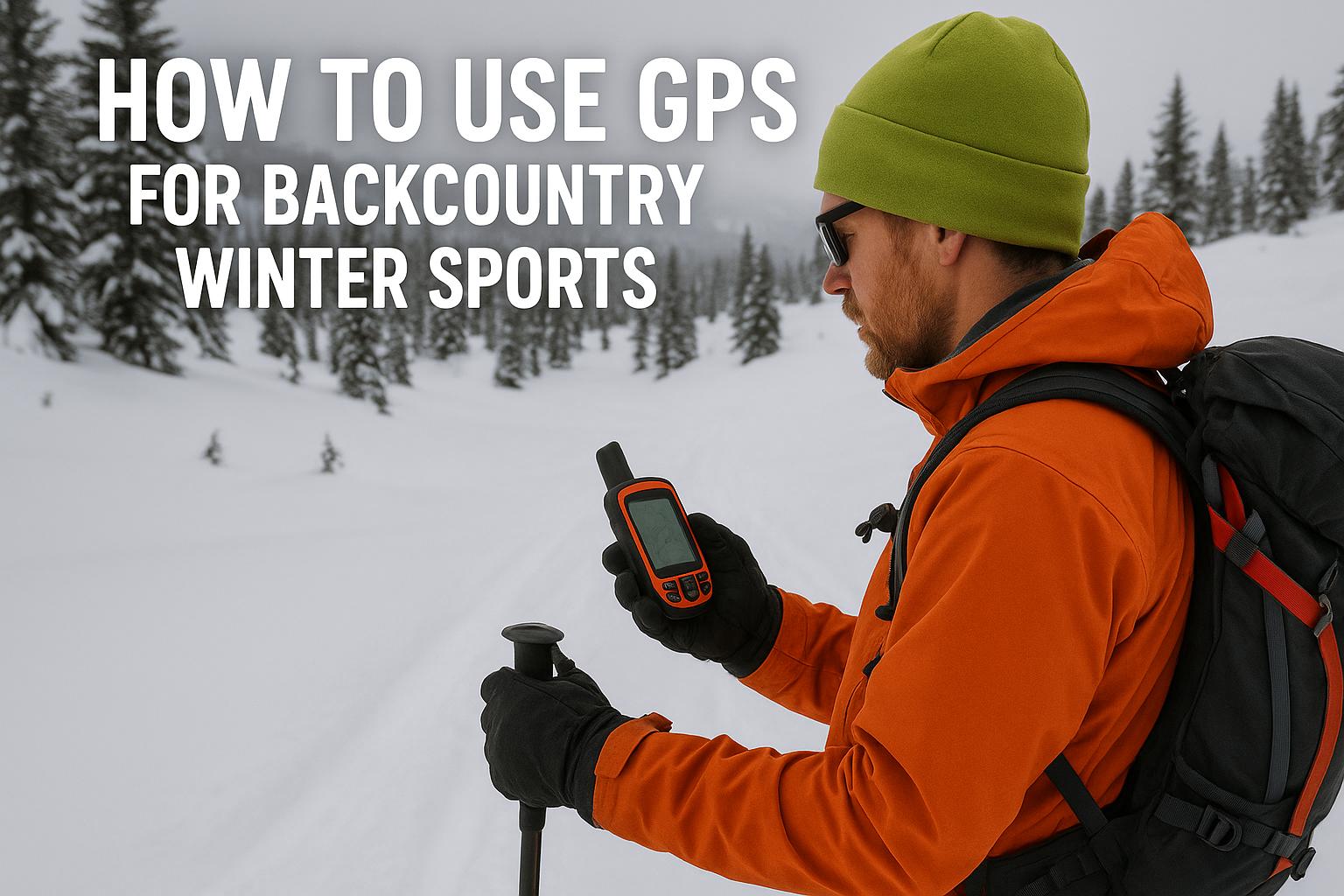
How to use GPS for backcountry winter sports.

How to use GPS for backcountry winter sports.

Understanding GPS for Backcountry Winter Sports

For those engaging in backcountry winter sports, such as skiing, snowboarding, or snowshoeing, utilizing GPS technology is indispensable. It enhances safety, aids in navigation, and ensures a more enjoyable experience overall.

How GPS Works

Global Positioning System (GPS) technology relies on a network of satellites orbiting the Earth. By receiving signals from these satellites, a GPS receiver can pinpoint its exact location by calculating the time it takes for the signals to travel from the satellites. This process gives users accurate data on their location, altitude, and speed.

The Satellite Network

The network comprises a constellation of at least 24 satellites, strategically positioned to ensure that at least four satellites are visible from any place on Earth at any time. Each satellite continually broadcasts its position and the precise time the message was sent. GPS receivers, whether they are handheld devices, installed in vehicles, or embedded in smartphones, listen to these signals to determine their location.

Triangulation for Accuracy

The accuracy of GPS comes from a method called triangulation. When your GPS device picks up signals from three or more satellites, it measures the distances to each satellite using the travel time of radio signals. By calculating these distances, the device can pinpoint your precise earthbound position. To further enhance accuracy, the system uses updated data from known ground positions. This comprehensive approach results in positioning data that is remarkably precise for navigational purposes.

Choosing the Right GPS Device

When venturing into the backcountry in winter, the choice of a GPS device is crucial. Devices vary in terms of durability, battery life, and features. Some key considerations include:

Durability: Ensure the device can withstand cold temperatures and is water-resistant. Winter conditions can be harsh, and a device that fails in extreme weather is not just inconvenient; it can also be dangerous. High-quality devices are built to resist such conditions, providing consistent performance even in challenging environments.

Battery Life: Opt for a device with long battery life, as cold conditions can drain batteries faster. It might also be helpful to look for devices that offer a sleep mode or energy-saving settings to extend battery performance.

Mapping Features: Choose a device that allows loading detailed topographic maps and offers breadcrumb trails for retracing steps. This feature is crucial for exploring minimalistic trails or unmarked terrains, providing you a safe return path and minimizing the risk of getting lost.

Device Types and Specifications

There are different types of GPS devices suitable for backcountry sports. Handheld GPS units are popular for their accuracy and specialized functions, while smartwatch GPS systems offer convenience due to their wearable nature. Some more advanced units include altimeters and barometers, providing atmospheric data alongside positional information. It is essential to select a device based on your specific needs, level of expertise, and type of activity in which you engage.

Benefits of GPS in Backcountry Navigation

In the backcountry, traditional navigation methods, such as maps and compasses, have limitations. GPS technology offers several advantages:

Real-Time Location Tracking: Knowing your exact position on a map at any time increases safety and navigation efficiency. This feature is especially beneficial in white-out conditions or quickly changing weather, where visibility is impaired.

Route Planning: You can plot waypoints and plan routes ahead of your trip, which the GPS device will upload for on-the-go guidance. Advanced devices allow users to modify these routes in response to on-ground conditions, providing a flexible yet safe navigation approach.

Weather Conditions: Some GPS devices come with weather prediction features, which can be particularly useful in unpredictable backcountry environments. These devices can help anticipate weather shifts, enabling users to make informed decisions regarding route alterations or emergency shelter requirements.

Enhancing Safety with GPS

GPS provides essential features for enhancing safety in the backcountry. In addition to tracking location, most devices allow users to share their position with others, enabling a more coordinated rescue operation if necessary. Equip your GPS device with maps specific to your region to ensure accurate navigation and to avoid hazardous areas.

Emergency Features and Communication

Modern GPS devices often include SOS features that can alert rescue teams to a user’s location in case of an emergency. This is particularly beneficial in remote areas where cell service is nonexistent. Devices that integrate GPS with satellite communication can provide users with two-way communication, further enhancing safety by allowing for situation updates and receiving instructions or comfort during distress.

Integrating GPS with Digital Apps

Many outdoor enthusiasts integrate GPS devices with smartphone apps, creating a layered approach to navigation. Several apps allow offline map downloading, which conserves phone battery life without sacrificing access to essential data. Useful apps in the field can display additional information like avalanche danger levels and weather forecasts.

The Role of Mobile Technology

Smartphones, given their versatility, have emerged as powerful navigation tools in conjunction with traditional GPS devices. They offer user-friendly interfaces and connectivity options, allowing users to efficiently manage routes, review track history, and log points of interest. Apps designed for outdoor sports add layers of functionality such as virtual geocaching, distance calculations, and topographic video overlays.

Data Synchronization and Sharing

Synchronizing your GPS device with applications allows seamless sharing of your travel data with fellow adventurers or concerned parties. Shared data can be invaluable for gathering feedback or planning future excursions based on past journeys. Furthermore, participating in data-sharing communities fosters a greater understanding of terrain difficulties and fosters camaraderie among enthusiasts engaging in similar adventures.

Limitations and Best Practices

While GPS is a powerful tool, it’s important to recognize its limitations:

Signal Obstruction: Heavy forests, deep canyons, or bad weather can disrupt GPS signals. To mitigate these challenges, understanding your terrain and route planning are critical. Employing an integrated approach using multiple navigation techniques is often beneficial.

Reliance on Batteries: Always carry spare batteries or a portable charger. Cold weather can significantly impact battery performance, and planning for limited power availability ensures uninterrupted navigation capabilities.

Overconfidence: Do not rely exclusively on GPS. Always carry a map and compass as backups, and ensure you know how to use them. This ensures a multifaceted approach to navigation, maximizing safety and preparation for unexpected technological failings.

Ensuring familiarity with your GPS device before heading out is crucial. Try using the device in less remote areas to understand its functions and mapping system. Regularly updating your device with the latest software and map data enhances functionality and ensures accurate navigation. Test these updates in controlled environments whenever possible to avoid surprises in the wilderness.

Conclusion

GPS technology plays a vital role in navigating the challenging terrains of backcountry winter sports. By understanding its capabilities and limitations, and integrating it with other navigational tools, you can significantly improve your safety and enjoyment in the wild. For further reading on GPS devices and detailed reviews, consider visiting trusted outdoor gear websites such as REI or Backcountry.

The significance of snowboarding in the Winter X Games.

The significance of snowboarding in the Winter X Games.

The Evolution of Snowboarding in the Winter X Games

The Winter X Games represents a premier event in the realm of extreme winter sports, consistently attracting both athletes and audiences from around the globe. From its inception, the Games have undergone substantial growth, adapting and evolving to maintain their relevance in the rapidly progressing world of extreme sports. Of all the sports featured, snowboarding stands out as a pivotal component, not only shaping the identity of the Games but also influencing the larger sports landscape.

The Role of Snowboarding in the Winter X Games

Within the Winter X Games, snowboarding has emerged as a key discipline that is integral to the event’s appeal and success. Over the years, snowboarding events have been at the forefront of showcasing the evolving capabilities and creative expressions of athletes. The inclusion of diverse events such as Slopestyle and SuperPipe underlines the versatility and comprehensive skill set that snowboarding demands. These competitions have consistently managed to captivate vast audiences, further cementing their significance and centrality to the Games.

Innovation and Progression

A defining element of snowboarding’s importance within the Winter X Games is its constant push for innovation. The Games provide a vital platform for athletes to experiment and introduce groundbreaking tricks, driving progression within the sport. This spirit of innovation is not only a testament to the athletes’ courage and creativity but also a catalyst for the sport’s advancement on a global stage. Snowboarders often capitalize on this international platform to debut new maneuvers, setting benchmarks that challenge and inspire other competitors. This continuous cycle of innovation energizes the sport, ensuring its growth and adaptation with each passing year.

Influence on Youth Culture

Beyond the confines of sports, the impact of snowboarding, as showcased in the Winter X Games, extends significantly into the domain of youth culture. The magnetic appeal of the sport has spurred the development and popularization of numerous subcultures. Athletes involved in the Games frequently transcend their roles as competitors and become cultural icons with an influential presence in the fashion and lifestyle arenas. Their choices in style and music resonate with young fans, who often emulate these trends, integrating elements of snowboarding culture into their daily lives. This cultural dissemination underscores snowboarding’s role as not just a sport but as a vibrant youth-driven movement.

Economic Contributions

The commercial impact of snowboarding in the Winter X Games is profound, with significant economic contributions evident across several domains. The widespread popularity of the sport translates into lucrative opportunities for sponsorships and extensive media coverage, both of which play a substantial role in boosting the fiscal health of host locations. Furthermore, snowboarding contributes to a surge in tourism, as enthusiasts and spectators travel to the event locations, invigorating local economies. The heightened focus on the sport also stimulates increased demand for snowboarding equipment and apparel, highlighting the large commercial footprint of the sport. This economic dimension underscores the business viability and financial attractiveness surrounding snowboarding events.

As part of its continuous journey, snowboarding remains essential to the narrative and fabric of the Winter X Games. Its influence is felt not only on the slope but across cultural and economic spectrums as well. The sport’s established significance and ongoing evolution signify its strong foothold within the Games, ensuring that it continues to be a cornerstone in the vibrant tapestry of this prestigious event.

To learn more about the ongoing evolution of the X Games and their events, consider visiting the official site for current information and insights.

In conclusion, the multifaceted role of snowboarding in the Winter X Games cannot be overstated. It stands as a beacon of innovation, a bellwether of cultural trends, and a substantial economic force. Through its ongoing evolution and ever-increasing popularity, snowboarding ensures its place as a fundamental aspect of the Winter X Games, reinforcing its status as a cornerstone in the world of extreme sports and beyond.