The Evolution of Winter Sports Gear
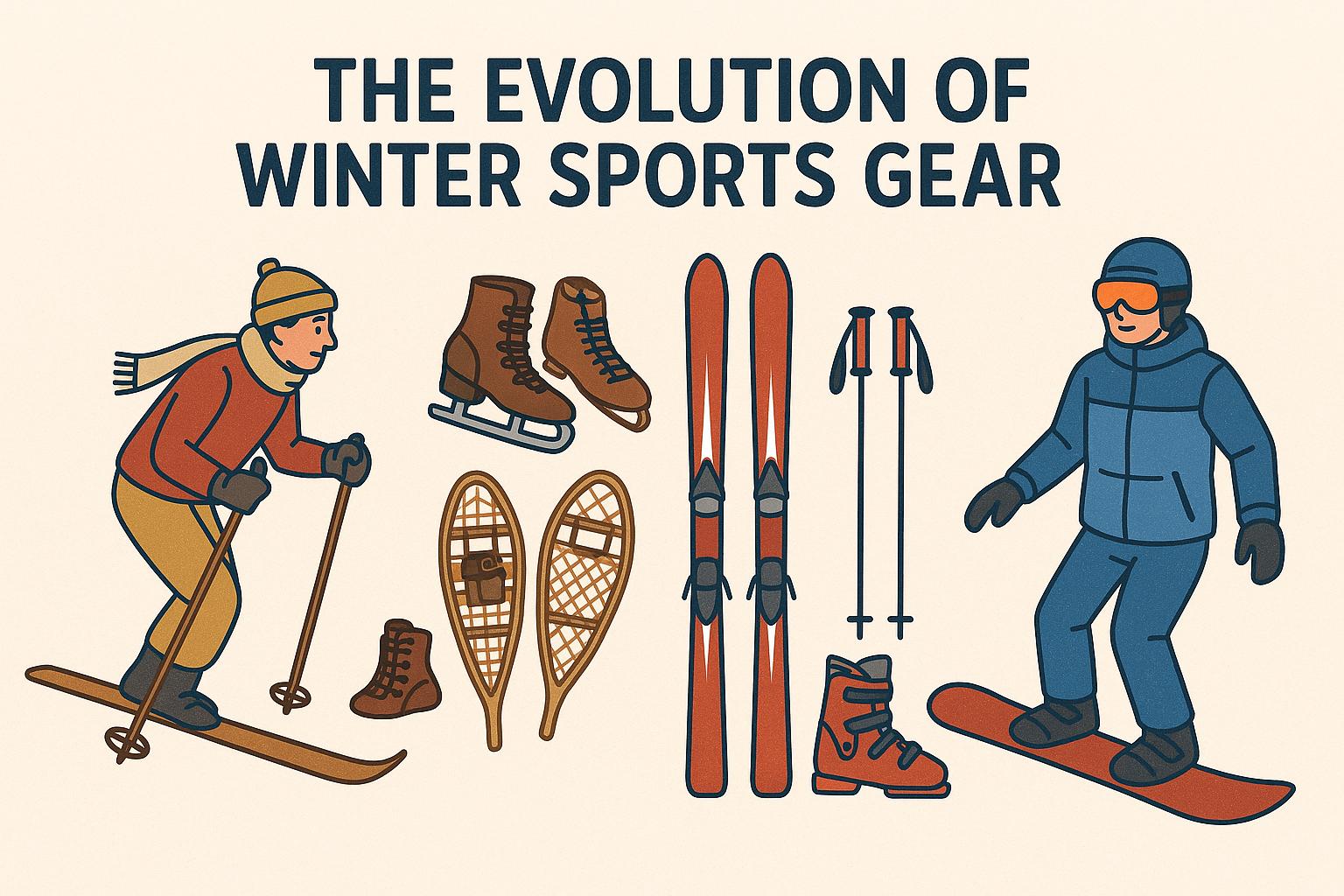
Winter sports have a rich history, and the gear used in these activities has undergone significant transformation over the decades. This evolution has been driven by advances in technology, changes in materials, and a better understanding of the needs of athletes. As our knowledge of materials science and engineering has developed, so too have the tools we use to engage with winter sports, ensuring safety, improving performance, and enhancing overall experience.
Early Beginnings of Winter Sports Equipment
The origins of winter sports can be traced back to ancient times when humans sought practical means to travel over snow and ice. Historical findings suggest that early ski users fashioned their skis from available wood. These primitive ski designs lacked modern bindings, compelling skiers to rely heavily on poles for balance and propulsion. Despite their rudimentary nature, these early skis were key in aiding ancient communities to move efficiently across snowy landscapes.
Simultaneously, the evolution of ice skating can be tracked back to bone skates found in Scandinavia, dating as far back as 1800 BCE. These bone skates were strapped to shoes and provided a means for travel across frozen waterways. With time, iron blades replaced bones, offering enhanced durability and glide, marking a significant leap in the evolution of skating equipment.
Introduction of Modern Materials
Significant breakthroughs in winter sports equipment occurred in the 20th century, coinciding with the development of new materials. The introduction of synthetic fibers and plastics radically improved the design and functionality of skis, snowboards, and other sports gear, leading to more reliable, durable, and high-performance equipment.
Fiberglass and plastics were pivotal in enhancing the performance of skis, enabling manufacturers to produce lighter and more resilient gear. Modern skis have greatly benefited from the incorporation of carbon fiber, known for its remarkable properties of being both lightweight and strong. This advancement not only facilitated easier maneuverability for skiers but also helped in managing the dynamic forces experienced during skiing.
In the domain of ice skating, the advent of polymers in the composition of skates resulted in designs that offered better support and fit. These innovations allowed for precision manufacturing that catered specifically to an athlete’s foot, enhancing both comfort and performance through customized fit and support.
Impact of Technology
The influence of technology cannot be overstated in the development of winter sports gear. Modern advancements have led to the creation of highly specialized equipment. This trend is particularly evident in the development of smart wearables designed for winter sports enthusiasts. These devices are equipped to provide real-time data, such as heart rates, location tracking, and other performance metrics. The data-driven approach not only assists athletes in refining their techniques but also plays a crucial role in monitoring and optimizing safety standards.
Smart wearables have revolutionized training regimes and performance strategies, as athletes can now assess their performances against measurable metrics. This transformation highlights a broader trend of technological integration into sports equipment, enabling athletes to achieve higher precision, efficiency, and safety.
Safety Enhancements
With the evolution of winter sports gear, there has been a considerable focus on enhancing safety for participants. The engineering behind helmets has advanced to incorporate materials like expanded polystyrene foam, designed to efficiently dissipate impact energy, making helmets more effective yet lighter and more aesthetically appealing.
Similarly, advancements in goggle technology have addressed crucial concerns related to visibility and eye protection. Anti-fogging features, coupled with UV protection, have become standard, ensuring athletes maintain clarity of vision under varying environmental conditions. These innovations have improved safety during sports, allowing participation in diverse weather conditions without compromising on safety.
Current Trends and Future Directions
As winter sports continue to gain popularity, innovations in equipment design and technology are expected to further evolve to address growing and dynamic requirements. Current trends indicate a rising focus on sustainability, with manufacturers increasingly adopting recyclable materials and eco-friendly production processes. This focus on environmental responsibility reflects a shift in consumer priorities, aimed at reducing the ecological footprint of sports activities.
Moreover, the future of winter sports gear is likely to witness an even deeper integration of digital technology. This could include expanded functionalities in smart wearables and other devices, enabling more personalized and data-driven approaches to performance analysis and safety management. Prospects for gear customization, through dynamic adjustability or tailored production techniques, may also become more prevalent.
For those interested in learning more about specific advancements in winter sports gear, extensive resources are available online from both manufacturers and sports organizations. These platforms offer insights into emerging technologies, trends, and standards shaping the industry.
In conclusion, the progression of winter sports gear—from ancient rudimentary designs to the highly advanced equipment of today—illustrates the profound impact of technological and material advancements over time. As winter sports grow in complexity and popularity, continuous innovation will drive the industry forward, ensuring that athletes have access to the best tools to enhance their safety, performance, and enjoyment.