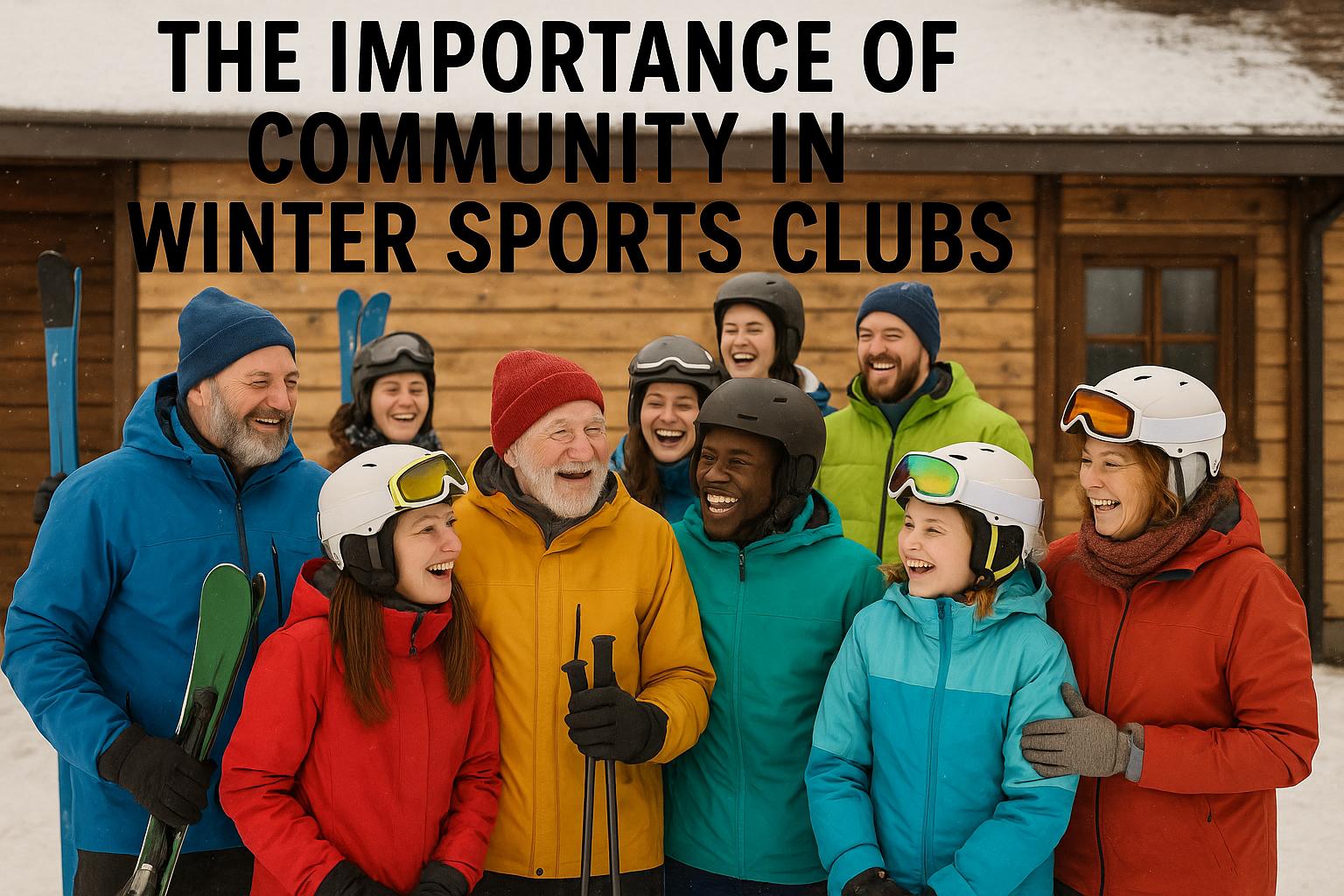
The Role of Community in Winter Sports Clubs
Winter sports clubs play a significant role in the lives of individuals who engage in activities such as skiing, snowboarding, ice skating, and more. These clubs serve as hubs where enthusiasts of all skill levels come together, thereby fostering a sense of community that encourages participation and skill development.
Social Interaction and Engagement
Community lies at the heart of winter sports clubs. One of the primary benefits of being part of such a club is the opportunity for social interaction and engagement. Members get the chance to connect with others who share similar interests, which can lead to the formation of lasting friendships. This social framework often extends beyond the club’s premises, encouraging members to participate in off-club activities together. Engaging in these social settings nurtures a sense of belonging and togetherness that is crucial for personal and communal growth. Such environments facilitate the development of trust amongst members, ensuring that individuals feel supported both on and off the field. The shared passion for winter sports acts as a catalyst for collective experiences, shared memories, and mutual support.
The interactions within winter sports clubs often transcend beyond casual encounters. They delve into collaborative and cooperative engagements, where members work together towards common goals, be it organizing events, setting up training sessions, or planning group outings. This deep-rooted engagement offers a rewarding experience that is inherently human, enriching, and fulfilling.
Skill Development
Participating in winter sports as part of a community offers the advantage of enhanced skill development. Club members often have access to structured training sessions, which can be both formal and informal, ranging from group lessons to coaching clinics. Experienced members or hired instructors frequently provide mentorship, enabling novices to learn from those with more expertise. As novices progress, they also have opportunities to give back to the community by mentoring newer members, thus continuing the cycle of learning and growth.
This structured approach to skill development is comprehensive, integrating aspects of discipline, dedication, and perseverance. Clubs often facilitate progressive learning modules that cater to different skill levels, ensuring that all members – from beginners to seasoned athletes – have the chance to learn and improve. With the support of a committed community, members can tackle challenging aspects of their sports, refine techniques, and achieve personal milestones which might have been difficult to reach in isolation.
Furthermore, clubs foster an environment conducive to collaborative learning and the exploration of new sports techniques and technologies, keeping members abreast with the latest advancements in their respective fields.
Events and Competitions
Winter sports clubs often organize events and competitions that foster community spirit. These events serve as platforms for members to showcase their skills and gain recognition. Competitions also instill a sense of healthy rivalry that motivates members to push their limits, thereby improving their proficiency in their chosen sports. Participating in events allows members to test their skills against peers, providing valuable feedback and insights into areas that require further improvement.
Moreover, beyond the competitive aspect, events are a celebration of the community’s shared passion for winter sports. They bring members together in a joyous, spirited environment where camaraderie and sportsmanship take precedence. Participating in or attending these events reinforces the sense of belonging, bringing diverse groups of people together under a shared banner.
Some events are tailored not just for individual accomplishments but also for teamwork, emphasizing the importance of collaborative efforts in achieving success. Clubs often cultivate inclusive environments where everyone, regardless of skill level, feels encouraged to participate and excel at their own pace.
Supportive Environment
The community-centric approach in winter sports clubs establishes a supportive environment that motivates individuals to pursue their interests despite challenges. Members support each other through the adversities of learning new skills and overcoming the psychological barriers typical in sports activities. This environment cushions individuals from the pressures of solo performance, as there is always a supportive network rallying behind each member.
Such support is critical, as winter sports often present physical and mental challenges that require resilience, courage, and consistent encouragement. Members offer guidance, share experiences, and provide moral support that helps individuals overcome fear and self-doubt, fostering personal growth and confidence.
This supportive network endeavors to ensure that every member feels valued and appreciated for their contributions, creating an atmosphere conducive to personal well-being and collective harmony. The foundation of mutual respect and empathy ensures that the club remains a haven for all individuals passionate about winter sports.
Access to Resources
Finally, being part of a winter sports club provides members with access to various resources that they might not easily obtain on their own. These resources include training facilities, specialized equipment, and sometimes even discounts on gear and apparel. Clubs often negotiate deals with manufacturers or suppliers, passing on the benefits to their members. The accessibility of resources reduces the barriers to participation, making it easier for individuals to engage in winter sports without significant financial impediments.
Additionally, clubs offer guided access to expert knowledge, with resources like training manuals, safety guidelines, and performance-enhancement techniques readily available to members. This organized sharing of information cultivates a rich learning environment where individuals have the tools necessary to refine their skills and enhance their sports experience.
In conclusion, the community within winter sports clubs is pivotal in enriching the experience of those involved in winter sports. The camaraderie, skill development, competitive spirit, encouragement, and resource access collectively make membership in such clubs beneficial for winter sports enthusiasts. For further information on winter sports clubs, you might consider exploring regional sports authority websites or online resources dedicated to specific sports disciplines.