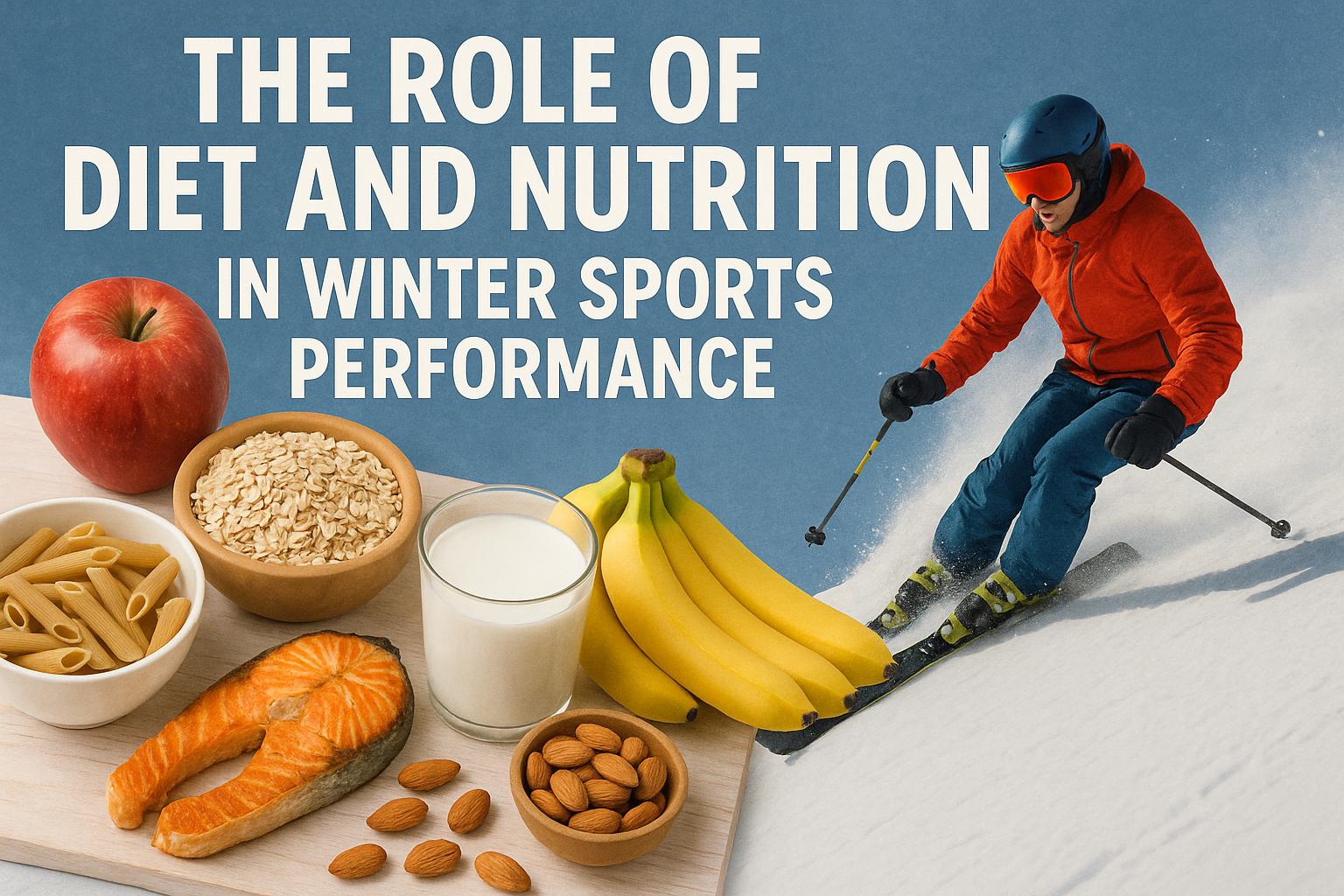
Introduction to Diet and Nutrition in Winter Sports
Winter sports, encompassing activities like skiing, snowboarding, ice hockey, and figure skating, are known for their intense physical demands. Athletes involved in these sports require a unique blend of strength, endurance, flexibility, and precision to perform at their best. The cold environments in which these sports are conducted add an additional layer of challenge, increasing the physical and mental stress on athletes. Therefore, optimal diet and nutrition become pivotal components of an athlete’s training regimen. An intelligently planned dietary strategy supports not only the physical performance but also plays a crucial role in recovery and minimizing the risk of cold-induced conditions such as hypothermia. Gaining a deeper understanding of the critical role nutrition plays can enable athletes to maintain optimal body function amidst the strenuous demands of winter sports.
Carbohydrates: Energy for Performance
Carbohydrates are the cornerstone of an athlete’s diet as they offer the primary fuel source required for high-intensity sports activities. During the course of engaging in rigorous winter sports such as skiing or snowboarding, an athlete’s glycogen reserves—stored forms of carbohydrates in the muscles—are depleted rapidly. This depletion underscores the necessity of replenishing these energy stores promptly to sustain energy levels and stave off fatigue. Without adequate carbohydrate intake, athletes may experience decreased performance and increased perception of effort.
To this end, athletes should prioritize complex carbohydrates as opposed to simple sugars. Complex carbohydrates are found in whole grains, fruits, and vegetables, and their slow digestion ensures a steady supply of energy, essential for prolonged physical activity. Including a variety of carbohydrate-rich foods can offer diverse nutrients necessary for overall health. Pre-event meals rich in carbohydrates can also boost glycogen stores, optimizing energy availability for competition.
Protein: Muscle Repair and Growth
Proteins play an integral part in the athletic diet due to their role in muscle repair and growth. Following intense training sessions or events, muscles experience wear and tear, necessitating the consumption of protein to facilitate recovery. Inadequate protein intake can prolong recovery periods and potentially lead to muscle loss. Thus, ensuring an adequate supply of protein is vital for sustained muscle maintenance and development.
Athletes should aim to incorporate various high-quality protein sources into their diets. Lean meats like chicken and turkey, dairy products such as milk and yogurt, as well as plant-based options like legumes and tofu, provide essential amino acids required by the body. However, for personalized nutritional advice, consulting with a professional nutritionist is recommended, as they can devise diet plans tailored to the specific needs and goals of the athlete, taking into consideration their activity level, body composition, and metabolic rate.
Fats: Essential Fuel in Cold Conditions
Fats don’t just provide essential fatty acids and aid in the absorption of fat-soluble vitamins, but they also offer a concentrated source of energy vital for winter sports. In cold conditions, fats serve to insulate the body and offer sustained energy needed during long-duration events.
Polyunsaturated and monounsaturated fats, found in foods like nuts, seeds, avocados, and olive oil, are particularly beneficial. Including these healthy fats in an athlete’s diet ensures not only energy balance but also contributes to heart health. Moreover, the inclusion of omega-3 fatty acids from sources like oily fish can help reduce inflammation and support joint health, which may be stressed during aggressive physical activity.
Hydration: Avoiding Dehydration in Cold Weather
It’s a common misconception that athletes are less prone to dehydration in cold weather. In reality, despite cooler temperatures, significant fluid loss can occur through respiration and perspiration. Cold and dry air can lead to increased urination and respiratory fluid loss, contributing to the risk of dehydration.
Achieving proper hydration is critical for maintaining performance levels, as even slight dehydration can impair cognitive and physical performance. To counteract fluid loss, athletes should consume adequate amounts of water throughout the day and consider drinks with added electrolytes to replace salts lost through sweat. Warm drinks like herbal teas can also be comforting and hydrating choices in cold conditions, promoting both warmth and fluid balance.
Conclusion: Balancing Diet for Optimal Performance
In summary, athletes engaged in winter sports must adopt a diet that adeptly balances carbohydrates, proteins, fats, and hydration to optimize performance. An integrative approach to nutrition supports enhanced endurance, strength, and recovery, while simultaneously minimizing injury risks and cold-related challenges. By focusing on comprehensive dietary strategies, winter sports athletes can achieve peak performance levels. For further guidance, athletes are encouraged to explore dietary advice offered by elite sports institutes, providing evidence-based information on sports nutrition tailored to the specific demands of winter sports.