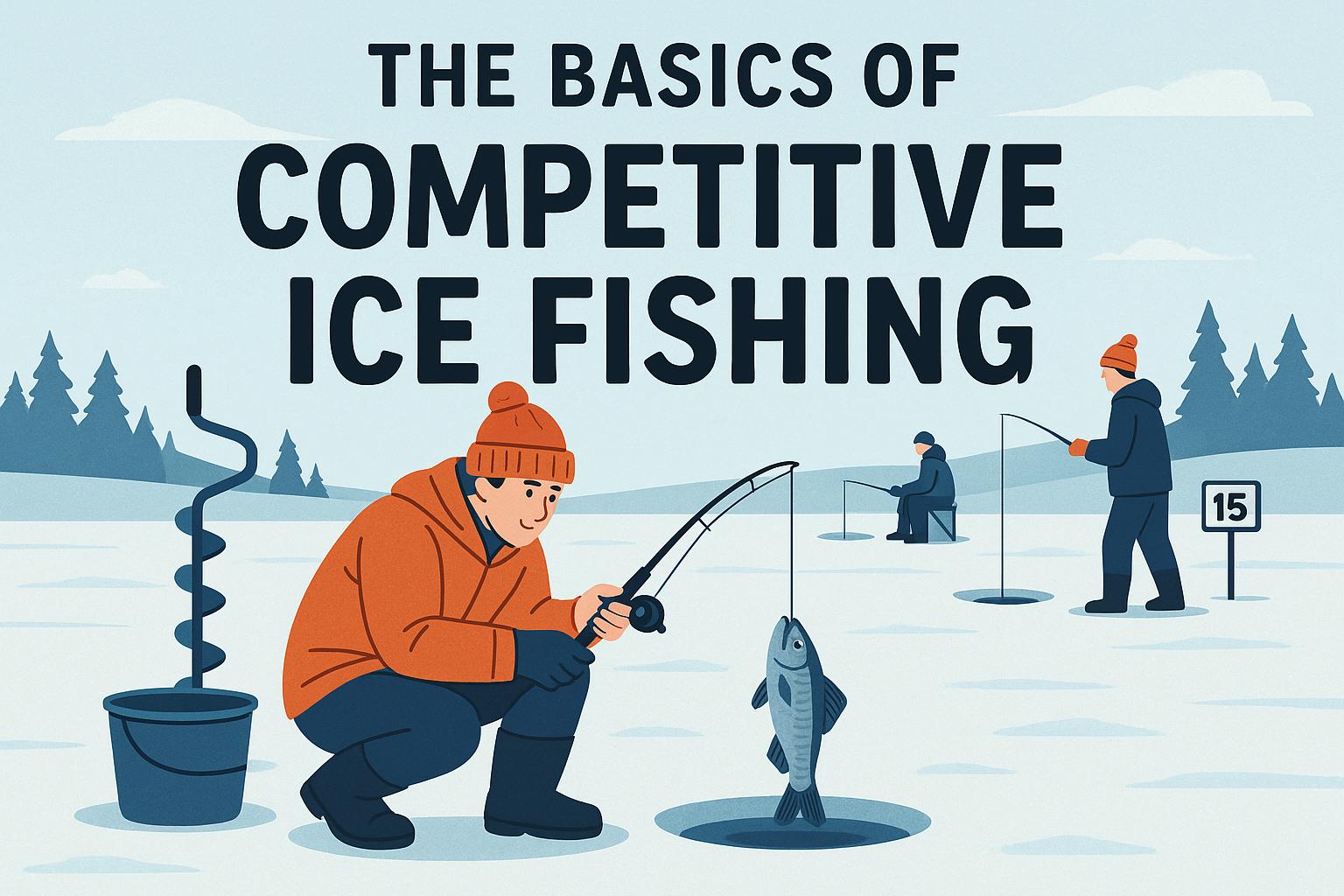
Introduction to Competitive Ice Fishing
Competitive ice fishing is a fascinating winter sport that blends the tranquility of traditional fishing with the excitement of competition. This activity has origins in regions where harsh winters prevail, leading to frozen lakes that provide an ideal platform for testing fishing skills. This pastime has evolved into a popular sport, drawing those who have a passion for fishing and the desire to measure their abilities against others in similar icy settings.
Understanding Ice Fishing Competitions
Ice fishing competitions take place on frozen bodies of water, such as lakes or ponds. Participants drill holes into the ice through which they fish in the cold waters beneath the surface. Competitors can be evaluated based on several criteria, such as the number of fish caught or the collective weight of their catch. The integrity of the competition relies heavily on specific rules and regulations which ensure the safety and fairness of the events.
Equipment and Gear
In competitive ice fishing, having the right gear is not merely about convenience but also about ensuring performance and safety. The specialized equipment is tailored to the demands of cold and often unpredictable conditions:
Ice Auger: This tool is essential for creating holes in the ice where fishing can occur. Its design allows anglers to cut through the thick ice layers efficiently, enabling them to access the water below.
Fishing Rods: Unlike the rods used in traditional fishing, ice fishing rods are shorter. Their compact design facilitates ease of use in a restrictive ice fishing hole environment.
Shelters: Portable shelters provide protection from harsh weather, creating a more comfortable environment for anglers. They offer not just warmth but also a shield from wind, snow, and other elements.
Clothing: Insulated and weather-appropriate clothing is essential. Staying warm and dry is crucial for maintaining concentration and ensuring a pleasant and safe fishing experience in low temperatures.
Appropriate gear is influential in determining both the comfort and the effectiveness of an angler during a competitive ice fishing event.
Techniques and Strategy
Success in competitive ice fishing hinges on the angler’s ability to combine skillful techniques with strategic planning. Various methods are employed to increase the probability of landing a successful catch:
Jigging: This technique involves moving the bait in an up-and-down motion to attract fish. It is highly effective in drawing attention and prompting fish to strike.
Deadsticking: Contrary to jigging, deadsticking keeps the lure stationary in the water. This method can be particularly alluring to fish that are more cautious, offering a less aggressive presentation.
Locating Fish: Understanding fish habits and determining potential hot spots beneath the ice is critical. Many anglers enhance their ability to locate fish by utilizing sonar technology, thus increasing their chances of success.
These methods, when executed skillfully, create an impressive blend of art and strategy, elevating the sport beyond mere fishing to a challenge of tactics and knowledge.
Rules and Ethical Considerations
Competitive ice fishing events are governed by their unique set of rules, which uphold fair play and promote ethical fishing practices. These rules are essential as they create a level playing field and enforce conservation efforts. Prominent components include:
Ensuring ethical practices is about more than following regulations; it is a commitment to preserving natural habitats and fish populations. Anglers should stay informed about relevant laws, not only to avoid penalties but also to actively participate in sustainable fishing practices.
Species-Specific Restrictions: Often, regulations specify particular species that can or cannot be targeted, preserving local biodiversity.
Catch and Release Policies: In some competitions, releasing fish back into the water after a catch is encouraged or mandated to minimize environmental impact.
These measures reflect a broader understanding of the sport’s environmental implications and underline the importance of responsible fishing.
Those keen on expanding their knowledge or participating in competitive ice fishing can consult resources such as the International Ice Fishing Tournament. This platform offers insights into upcoming events and provides extensive information about competitions worldwide.
Conclusion
The unique sport of competitive ice fishing merges the art of fishing with the thrill of competitive spirit. To excel, anglers must grasp environmental conditions, utilize appropriate equipment, and implement effective strategies, all while adhering to fair practices. As cold weather beckons, enthusiasts of ice fishing are presented with opportunities to hone their abilities and partake in the camaraderie and competitive vigor of this distinguished sport.