
The influence of winter sports on fashion trends.

The influence of winter sports on fashion trends.

The Impact of Winter Sports on Fashion Trends

Winter sports have continually influenced the fashion industry by providing inspiration that transcends the boundaries of sport, impacting how we perceive and design outerwear, footwear, and accessories. This intersection of sport and fashion emphasizes not only the functionality needed in harsh environments but also the aesthetics, merging practicality with style seamlessly.

Historical Influence on Fashion

Since the early 20th century, winter sports have played a significant role in shaping fashion trends. The growing elite interest in skiing during this period necessitated specialized clothing that married functionality with elegance. This need laid the groundwork for the ski fashion we see today, where clothing initially designed for warmth and mobility on the slopes, like quilted jackets and woolen sweaters, has been adapted for daily wear. Designers have consistently drawn inspiration from these garments, weaving them into their collections to enhance both functionality and style. As fashion evolved, so did the seamless incorporation of these winter sports elements into mainstream fashion, reflecting the enduring impact of the slopes on wider fashion trends.

The Rise of Athleisure

One clear indication of winter sports’ influence on fashion is the rise of athleisure. This burgeoning trend represents the convergence of athletic garments and leisurewear. By borrowing functional aspects from winter sports gear, the athleisure movement satisfies the modern consumer’s desire for versatility. Today’s consumer prefers clothes that effortlessly transition from a day on the slopes to an urban environment. As such, fashion brands are diligently integrating breathable fabrics, ergonomic designs, and thermal technologies into their offerings to create apparel that suits both high-performance and casual settings. The rise of athleisure highlights a shift towards a more dynamic way of dressing that aligns perfectly with the values established by winter sports.

Technical Fabrics and Innovations

Winter sports require apparel that can endure severe weather while providing flexibility and comfort, thereby influencing advancements in fabric technology. These innovations in technical fabrics have significantly impacted the fashion industry, which has adopted materials like waterproof membranes, insulating fabrics, and breathable textiles from sportswear. This crossover has expanded the utility and appeal of winter fashion clothing, making it suitable for a broader array of activities beyond its athletic origins. By employing these cutting-edge materials, fashion designers enrich their collections, crafting garments that cater to consumers who prioritize both function and fashion.

Key Trends Inspired by Winter Sports

Several key fashion trends have roots in winter sports apparel and culture, underscoring the influence of these activities on our sartorial preferences:

– Layering: This critical strategy in winter sports apparel enables athletes to regulate their body temperature during activities. It has since morphed into a mainstream fashion trend due to its adaptability and utility, allowing individuals the flexibility to adjust their attire to suit varying conditions and occasions.

– Bold Patterns and Colors: Drawing inspiration from ski wear embedded with vibrant patterns and eye-catching colors, fashion has embraced boldness in aesthetics, enhancing visibility and expressing personality. This trend demonstrates how the visibility necessary in sports has translated into an avenue for self-expression in fashion.

– Oversized Outerwear: Once primarily a functional choice for maintaining warmth on the slopes, oversized jackets and coats have evolved into essential items within global fashion scenes. This trend highlights the functional-to-fashion transition whereby practicality becomes a staple of style.

As winter sports continue to meld with the fashion industry, this fusion is constantly evolving. By perpetually incorporating technical advancements with aesthetic considerations, fashion designers craft garments that cater to style-conscious consumers who also prioritize functionality. The synergetic relationship between winter sports and fashion shows no signs of abating and is poised to continually influence future trends and innovations.

Beyond creating stylish and functional garments, the influence of winter sports has also led to an increase in collaborative endeavors between fashion brands and athletes or winter sports companies. These partnerships aim to seamlessly blend performance with style, producing innovative clothing that serves the needs of both athletes and everyday fashion enthusiasts. Such collaborations have catalyzed the development of capsule collections that nestle fashion within the context of professional sportsmanship, fulfilling the demands of niche markets and attracting a wider audience to winter sports-inspired fashion.

In conclusion, the connection between winter sports and fashion is rooted deeply in the shared values of functionality and style. As consumers continue to favor clothing that represents both their aesthetic preferences and practical needs, the fusion of winter sports attire into mainstream fashion trends is likely to increase. This complex interplay signifies an enriched, dynamic tradition where winter sports will persist as an enduring influence on the ever-evolving landscape of fashion.

The environmental ethics of winter sports activities.

The environmental ethics of winter sports activities.

The Impact of Winter Sports on the Environment

Winter sports activities, ranging from skiing and snowboarding to snowmobiling and ice climbing, are popular forms of recreation. However, they also have significant environmental impacts, which raises important ethical questions. As enthusiasts venture into pristine mountain areas, the footprint left behind poses challenges to the balance of these ecosystems. Below is an expanded exploration of how winter sports affect the environment, encompassing various facets of their impact.

Effects on Natural Landscapes

Winter sports often occur in sensitive mountain ecosystems, which can be particularly vulnerable to human disturbance. The construction of ski resorts and related infrastructure, such as roads and accommodations, can lead to deforestation and habitat fragmentation. These activities not only disrupt local flora and fauna but also increase the risk of soil erosion and water pollution. As developers carve paths through forests, the alteration of landscapes often leads to the destabilization of soil, resulting in erosion. This issue is particularly acute during the spring thaw when melting snow can carry away soil and nutrients, affecting downstream water quality.

The landscape alterations induced by resort constructions stand in stark contrast with the original ecosystems, affecting not just plant life but also the intricate web of animal species that depend on undisturbed habitats. Maintaining the integrity of these ecosystems is crucial, as they provide benefits such as carbon sequestration, water filtration, and biodiversity conservation.

Snowmaking

Given the dependency of winter sports on adequate snow cover, many resorts rely on artificial snowmaking. This practice involves significant water consumption and energy use, contributing to both local water scarcity and greenhouse gas emissions. It is crucial to consider the long-term sustainability of snowmaking as climate change continues to alter snowfall patterns. Snowmaking requires vast amounts of water, often extracted from local water bodies, thereby impacting aquatic ecosystems and the communities relying on these water sources.

The energy required to produce and maintain artificial snow is also considerable, largely sourced from fossil fuels, further contributing to the carbon footprint of winter sports. As global temperatures rise, the reliance on artificial solutions will likely increase, resulting in a paradoxical scenario where efforts to sustain winter sports inadvertently contribute to climate change.

Wildlife Disturbance

The presence of winter sports activities can disturb native wildlife. Increased noise and human activity may lead to changes in animal behavior, such as altered feeding patterns and increased stress levels. Moreover, some species may be forced to abandon their habitats, threatening biodiversity in these regions. For instance, species that thrive in silence and isolation, like certain bird species and larger mammals, can find the constant human presence intolerable, leading them to relocate, which may impact their survival rates.

The disruption is not limited to noise pollution; the introduction of food waste and litter into the environment can alter local food chains and introduce non-native species or diseases, further compounding the issue. Ensuring wildlife corridors and educating visitors on minimizing their impact can play a significant role in mitigating these disturbances.

Carbon Footprint

Transportation to and from winter sports destinations also contributes to their overall carbon footprint. Many enthusiasts rely on cars or air travel to reach their selected locations, further exacerbating greenhouse gas emissions. Promoting public transport options and carpooling can help mitigate these impacts. For international visitors, long-haul flights greatly increase the carbon footprint associated with their winter sports activities, emphasizing the need for more sustainable travel options.

Among potential solutions are increasing accessibility to resorts through climate-friendly transportation methods, such as electric buses or trains, and incentivizing shared transport options. Implementing policies and partnerships with transport companies aiming at reducing emissions can also be part of a broader strategy to address this challenge.

Waste Generation

The influx of visitors to winter sports areas generally leads to increased waste production. This includes not only general litter but also specialized waste like broken equipment and non-biodegradable materials. Ensuring proper waste management systems is essential to minimize environmental degradation. The infrastructure required to handle waste in remote areas can be inadequate, leading to overflowing waste bins and litter finding its way into natural areas.

Additionally, obsolete ski equipment, often made from composite materials, ends up in landfills, posing a disposal challenge. Encouraging recycling programs, where old equipment is repurposed or properly recycled, could significantly mitigate this issue. Moreover, fostering a culture that prioritizes eco-friendly materials and reusable gear can also help reduce waste.

Ethical Considerations

The environmental ethics of winter sports focus on balancing recreational enjoyment with ecological responsibility. This involves making informed choices, such as supporting eco-friendly resorts, utilizing sustainable gear, and abiding by “leave no trace” principles. Engaging with organizations that advocate for the conservation of winter environments can also make a significant difference. Ethical considerations extend beyond individual actions to include policy-level interventions where stakeholders can advocate for laws and norms that prioritize sustainability in winter sports.

By choosing resorts that adhere to environmental regulations and standards, individuals can influence the industry towards more sustainable practices. Supporting innovations in eco-friendly winter sports technology and gear can further push the market towards greener solutions.

Steps Toward Sustainability

To address these environmental concerns, many winter sports businesses are implementing more sustainable practices. These include renewable energy use, enhanced public transportation facilities, and investments in eco-restoration projects. Additionally, educational initiatives aimed at increasing awareness among sports enthusiasts about their environmental impact are becoming more prevalent.

In striving for sustainability, resorts are increasingly turning to renewable energy sources, such as wind and solar, to power their facilities. Initiatives to restore and preserve the natural landscapes—such as reforesting areas affected by development—are essential for balancing ecological impact. Moreover, workshops, seminars, and visitor centers that educate tourists on the ecological dynamics of mountain environments help foster a culture of environmental stewardship.

For further reading on sustainable winter sports practices, and how individuals can contribute, you might explore resources from organizations like Protect Our Winters or Snowcarbon. These organizations provide valuable insights and practical steps that enthusiasts and the industry can take to ensure that the wonders of winter sports can be enjoyed responsibly and sustainably for generations to come.

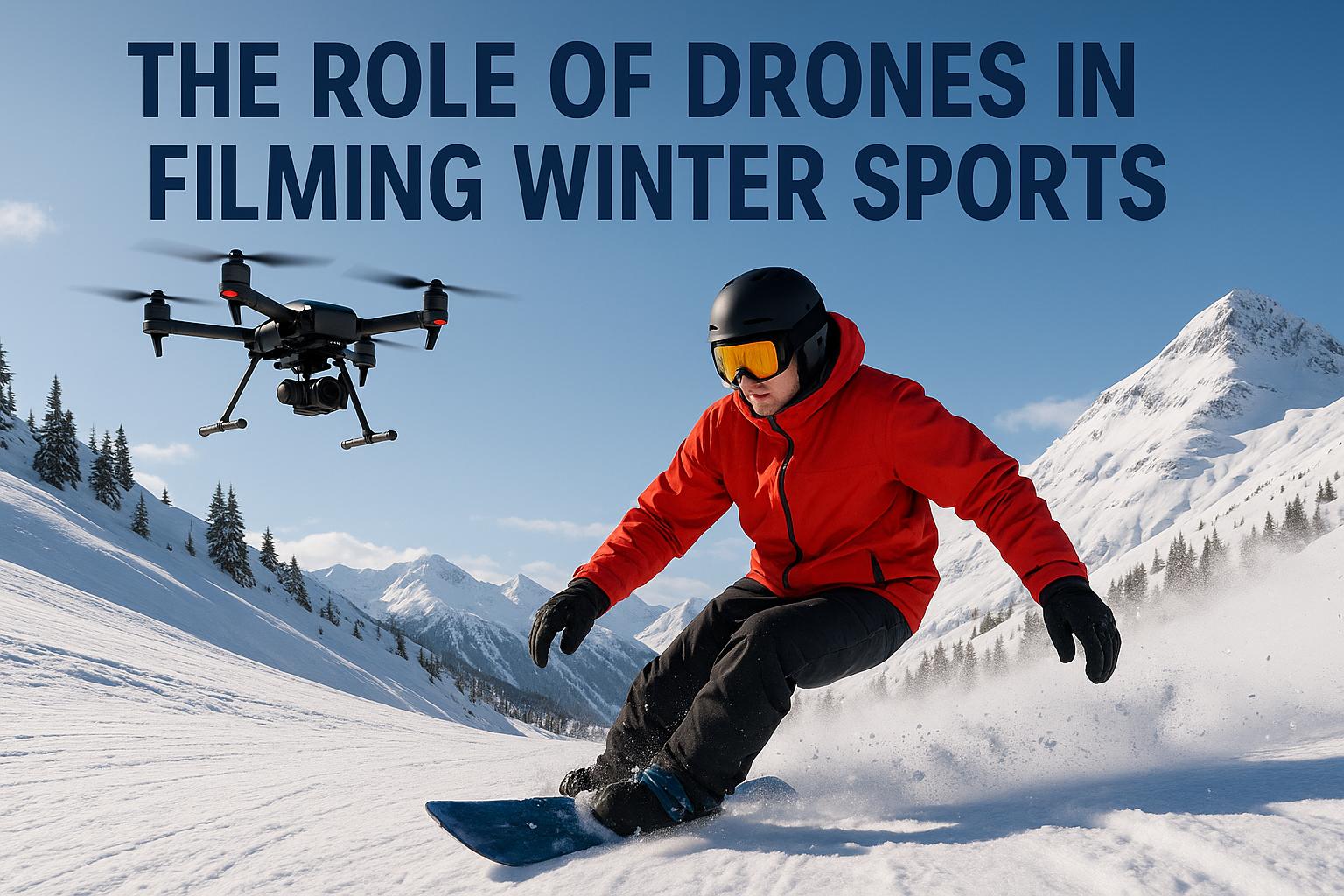
The role of drones in filming winter sports.

The role of drones in filming winter sports.

The Role of Drones in Filming Winter Sports

The integration of drone technology in the filming of winter sports has revolutionized how audiences experience these events. With their ability to capture dynamic and expansive aerial views, drones have become an essential tool in the industry.

Enhanced Aerial Perspectives

Drones provide a unique vantage point that was previously unattainable with traditional filming methods. The ability to maneuver through diverse terrains and capture sweeping aerial shots offers a compelling view of the sport and its environment. This enhances engagement for viewers, allowing them to experience the thrill and scale of winter sports like never before.

Capturing these expansive views not only adds a visual appeal but also significantly contributes to storytelling. With the use of drones, filmmakers can construct a narrative that conveys the vastness and intricacy of winter sports arenas, from the majestic snow-capped mountains to the vastness of icy slopes. The aerial perspective allows audiences to become more immersed in the geography of the sporting environment and feel more connected to the challenges athletes face.

Technological Advancements

Modern drones are equipped with sophisticated technology, including 4K cameras and stabilization systems, enabling high-definition footage and smooth motion capture. Brands continuously innovate to offer features such as obstacle avoidance and intelligent flight modes, enhancing the safety and flexibility of filming in unpredictable winter conditions.

Significant developments in drone technology, such as advanced gimbal systems, have revolutionized how steady footage is captured, even in windy conditions. This steadiness is pivotal when documenting fast-paced sports where clarity and fluidity are essential. Furthermore, the advent of thermal imaging and infrared cameras expands the potential of drones beyond visual capture to safety inspections and monitoring in winter sports environments.

Safety and Accessibility

One of the primary advantages of using drones in winter sports is the increased safety and accessibility they provide. In challenging and potentially hazardous conditions, drones allow videographers to capture footage without subjecting themselves to danger. This is particularly beneficial in filming extreme sports such as snowboarding and skiing in remote mountain regions.

By eliminating the need for camera crews in precarious positions, drones mitigate the risk of accidents in hazardous locales. They make it feasible to cover events in hard-to-reach areas that might otherwise be inaccessible due to weather conditions or dangerous terrain. Consequently, drones democratize the filming process, making it possible for filmmakers to venture into areas previously deemed too risky.

Cost Efficiency

Drones offer a cost-effective alternative to traditional filming methods such as helicopters or cranes. The reduction in logistical requirements and personnel not only lowers costs but also enables quick deployment and adaptability, which is crucial in capturing fast-paced sporting events.

The affordability of drones has leveled the playing field for small production houses and independent filmmakers who wish to produce high-quality footage without the monumental budget associated with traditional filming techniques. Beyond just acquisition costs, the maintenance and operational expenses of drones are relatively lower, thus providing a sustainable solution for consistent and economical content creation.

Regulatory Considerations

While the benefits of drone technology in filming winter sports are significant, it is important to remain aware of regulatory considerations. Operators must comply with federal aviation regulations to ensure that drones are flown safely and responsibly. Understanding and adhering to these rules is essential to minimize risks and legal issues.

Regulations often vary by country and region, affecting aspects such as where drones can be flown, proximity to individuals or private property, and operational restrictions near airports or military zones. Filmmakers must remain informed about the evolving legal frameworks, securing proper permissions and ensuring ethical usage. This diligence in compliance not only safeguards the operators and spectators but also preserves the integrity of the sporting events.

Future Developments

As technology continues to evolve, the role of drones in filming winter sports is expected to expand further. Developments in artificial intelligence and autonomous flight are likely to enhance the creative possibilities and efficiency of drone use in this field. These advancements could redefine how audiences experience winter sports, making drone technology even more integral to the industry.

AI-powered drones capable of autonomous tracking could revolutionize coverage by autonomously following athletes while avoiding obstacles, resulting in uninterrupted and immersive footage. Furthermore, advancements in machine learning could refine how real-time data from drones is interpreted, offering insights and analytics that were previously impossible to gather. Such technologies will not only advance filming techniques but also provide deeper analytical capabilities for better understanding and presentation of winter sports.

In conclusion, the integration of drone technology in winter sports filming has brought about significant transformations, offering enhanced perspectives, improved safety, cost efficiency, and an ever-expanding scope of possibilities with ongoing technological advancements. As the landscape of drone technology continues to progress, it is likely that their role in this industry will only grow, further enriching the way these thrilling events are shared and experienced.

The best winter sports for beginners.

The best winter sports for beginners.

Introduction to Winter Sports

Winter sports offer a unique way to enjoy the colder months, providing a mixture of physical activity and an opportunity to embrace the cold weather. For beginners, choosing the right winter sport is crucial for both enjoyment and skill development. Here is an overview of some of the best winter sports options for newcomers.

Skiing

Skiing has long been heralded as a quintessential winter activity, drawing in enthusiasts from all corners of the globe. The sport offers a harmonious mix of balance, control, and coordination skills, making it an appealing choice for novices. Skiing can cater to a range of tastes, whether one seeks the thrill of racing down slopes or a more leisurely descent to enjoy the scenery.

It’s noteworthy that many ski resorts provide beginner-friendly environments to welcome newcomers, incorporating gentle slopes designed specifically for those just starting. These resorts often house ski schools where professional instructors offer guidance, making the initial venture into skiing more accessible and enjoyable. By investing in a few lessons, beginners can significantly hasten their learning curve, gaining confidence and skill more rapidly.

Advantages of Skiing for Beginners

In addition to the supportive environments found at many ski resorts, skiing presents several intrinsic advantages for beginners exploring winter sports. One major benefit is the wide availability of beginner slopes, ensuring that individuals new to the sport can practice in a safe and manageable setting. Furthermore, structured lessons are readily available at most resorts, offering a solid foundation from which beginners can build their skills. Skiing tends to exert less physical strain on newcomers compared to some other winter sports, allowing them to focus more on learning the techniques without overwhelming fatigue.

For more information on ski resorts offering beginner lessons, visit this resource.

Snowboarding

Snowboarding epitomizes a modern, exhilarating winter sport that captures the essence of adventure. While it might present steeper learning curves than skiing, the sense of achievement and joy derived from mastering snowboarding provides a distinct appeal. The sport emphasizes fluid motion and a synergy between balance and creativity, encouraging individuals to express their unique styles on the snow.

Many snowboarding enthusiasts attest to the captivating sense of freedom that comes with gliding smoothly across snow-covered terrains. To support beginners in their journey, many resorts offer specialized lessons tailored to snowboarding, with instructors who are adept at easing newcomers into the sport’s dynamics.

Benefits of Learning Snowboarding

Snowboarding can greatly enhance one’s physical capabilities, particularly in terms of balance and core strength. This is due to the way that snowboarding naturally requires the stabilization of the body’s core as individuals navigate slopes. Additionally, the availability of specialized lessons ensures that learners receive guidance suited to the unique challenges of snowboarding. Finally, snowboarding provides an opportunity for participants to develop a distinct style, empowering them to carve their paths—both literally and figuratively—through the snowy landscapes they traverse.

To explore snowboarding courses, check out this website.

Ice Skating

Ice skating offers a timeless appeal and accessibility that can be enjoyed across a range of settings, from municipal ice rinks to glacial outdoor expanses. This vibrant sport seamlessly integrates cardiovascular exercise with enjoyment, providing a recreational outlet suitable for all ages.

What makes ice skating particularly attractive is its availability in both indoor and outdoor venues, making it feasible to practice year-round. For beginners, local ice rinks often prove to be excellent starting points, with many providing affordable rental skates alongside instructional sessions that help newcomers gain confidence on the ice.

Features of Ice Skating

Among the features that make ice skating appealing is its potential to be practiced consistently, due to the availability of indoor rinks, which ensure that enthusiasts can enjoy the sport regardless of external weather conditions. Ice skating contributes significantly to improving balance and agility, with regular practice fostering enhanced stability. Furthermore, the sport’s minimal equipment requirements and costs render it highly accessible to newcomers, eliminating substantial barriers to entry.

Find rinks and lessons near you through this link.

Cross-Country Skiing

For those drawn to more serene winter sports, cross-country skiing presents an inviting option. Unlike the thrill-centric nature of downhill skiing and snowboarding, cross-country skiing emphasizes endurance and a deeper connection with nature. It offers participants the chance to traverse scenic landscapes at their own pace, making it an ideal activity for those who relish the notion of a meditative outdoor experience.

Cross-country skiing demands a holistic form of engagement from participants, delivering a full-body workout that strengthens both the upper and lower body. While it requires greater stamina over extended distances, the sport inherently carries a low risk of injury, given its more controlled environment.

Cross-Country Skiing Highlights

The accessibility of cross-country skiing extends to accommodating various fitness levels, ensuring that individuals at different points in their physical fitness journey can enjoy this sport. The experience it provides fosters a meditative connection with nature, as participants meander through tranquil natural landscapes like parks, trails, or dedicated cross-country venues. This slower-paced exploration not only promotes physical wellbeing but also mental rejuvenation.

For information on trails and equipment rentals, visit this site.

Conclusion

Each winter sport brings its unique set of challenges and rewards. Beginners are encouraged to explore different options to discover what aligns best with their interests and comfort levels. Engaging in these winter sports offers not just a way to stay active during the colder months, but also an opportunity to appreciate the distinctive beauty of winter landscapes. Participating in winter sports can lead to new experiences, skills, and friendships, enriching one’s lifestyle and learning to cherish the cold season’s unique charm.