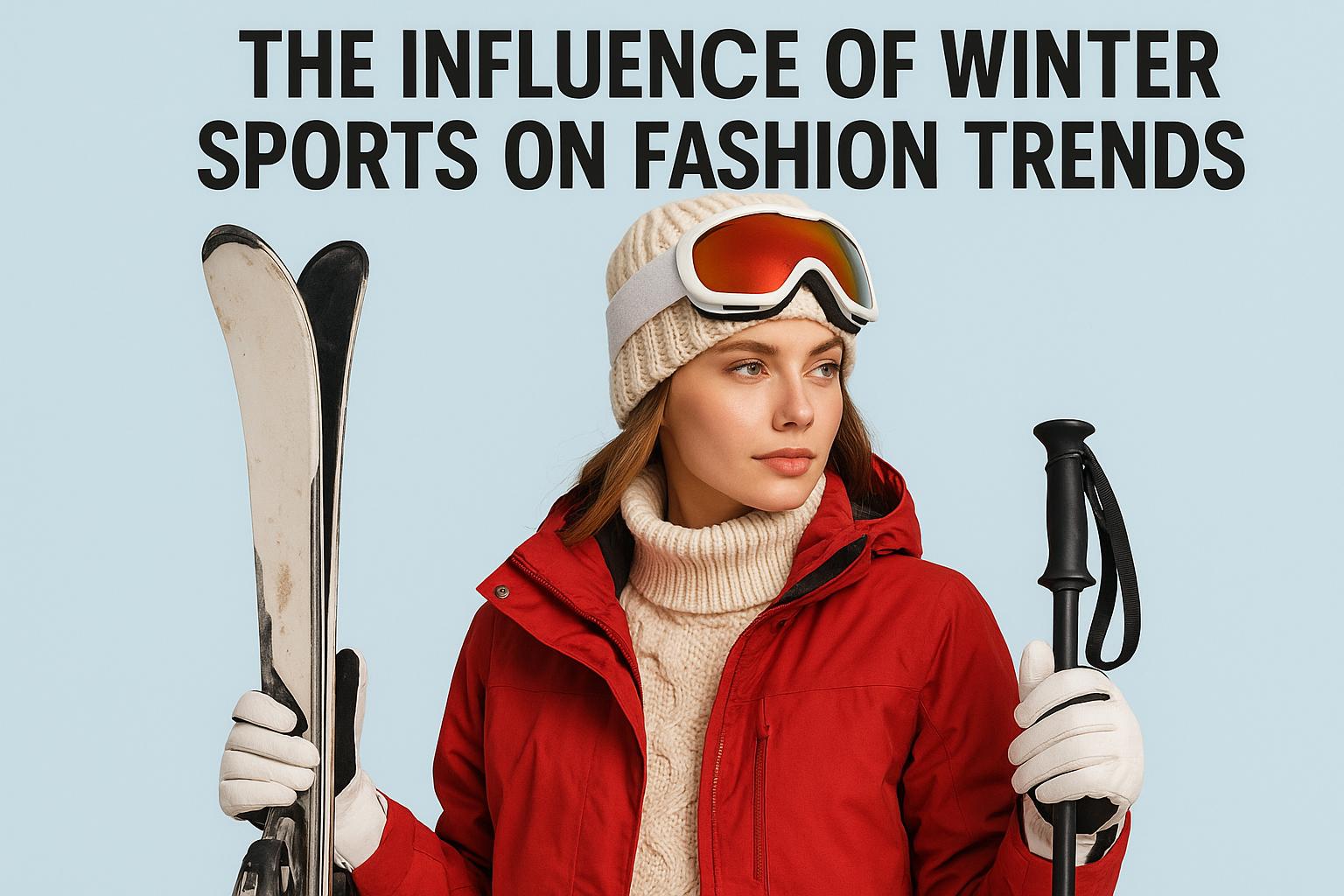
The Impact of Winter Sports on Fashion Trends
Winter sports have continually influenced the fashion industry by providing inspiration that transcends the boundaries of sport, impacting how we perceive and design outerwear, footwear, and accessories. This intersection of sport and fashion emphasizes not only the functionality needed in harsh environments but also the aesthetics, merging practicality with style seamlessly.
Historical Influence on Fashion
Since the early 20th century, winter sports have played a significant role in shaping fashion trends. The growing elite interest in skiing during this period necessitated specialized clothing that married functionality with elegance. This need laid the groundwork for the ski fashion we see today, where clothing initially designed for warmth and mobility on the slopes, like quilted jackets and woolen sweaters, has been adapted for daily wear. Designers have consistently drawn inspiration from these garments, weaving them into their collections to enhance both functionality and style. As fashion evolved, so did the seamless incorporation of these winter sports elements into mainstream fashion, reflecting the enduring impact of the slopes on wider fashion trends.
The Rise of Athleisure
One clear indication of winter sports’ influence on fashion is the rise of athleisure. This burgeoning trend represents the convergence of athletic garments and leisurewear. By borrowing functional aspects from winter sports gear, the athleisure movement satisfies the modern consumer’s desire for versatility. Today’s consumer prefers clothes that effortlessly transition from a day on the slopes to an urban environment. As such, fashion brands are diligently integrating breathable fabrics, ergonomic designs, and thermal technologies into their offerings to create apparel that suits both high-performance and casual settings. The rise of athleisure highlights a shift towards a more dynamic way of dressing that aligns perfectly with the values established by winter sports.
Technical Fabrics and Innovations
Winter sports require apparel that can endure severe weather while providing flexibility and comfort, thereby influencing advancements in fabric technology. These innovations in technical fabrics have significantly impacted the fashion industry, which has adopted materials like waterproof membranes, insulating fabrics, and breathable textiles from sportswear. This crossover has expanded the utility and appeal of winter fashion clothing, making it suitable for a broader array of activities beyond its athletic origins. By employing these cutting-edge materials, fashion designers enrich their collections, crafting garments that cater to consumers who prioritize both function and fashion.
Key Trends Inspired by Winter Sports
Several key fashion trends have roots in winter sports apparel and culture, underscoring the influence of these activities on our sartorial preferences:
– Layering: This critical strategy in winter sports apparel enables athletes to regulate their body temperature during activities. It has since morphed into a mainstream fashion trend due to its adaptability and utility, allowing individuals the flexibility to adjust their attire to suit varying conditions and occasions.
– Bold Patterns and Colors: Drawing inspiration from ski wear embedded with vibrant patterns and eye-catching colors, fashion has embraced boldness in aesthetics, enhancing visibility and expressing personality. This trend demonstrates how the visibility necessary in sports has translated into an avenue for self-expression in fashion.
– Oversized Outerwear: Once primarily a functional choice for maintaining warmth on the slopes, oversized jackets and coats have evolved into essential items within global fashion scenes. This trend highlights the functional-to-fashion transition whereby practicality becomes a staple of style.
As winter sports continue to meld with the fashion industry, this fusion is constantly evolving. By perpetually incorporating technical advancements with aesthetic considerations, fashion designers craft garments that cater to style-conscious consumers who also prioritize functionality. The synergetic relationship between winter sports and fashion shows no signs of abating and is poised to continually influence future trends and innovations.
Beyond creating stylish and functional garments, the influence of winter sports has also led to an increase in collaborative endeavors between fashion brands and athletes or winter sports companies. These partnerships aim to seamlessly blend performance with style, producing innovative clothing that serves the needs of both athletes and everyday fashion enthusiasts. Such collaborations have catalyzed the development of capsule collections that nestle fashion within the context of professional sportsmanship, fulfilling the demands of niche markets and attracting a wider audience to winter sports-inspired fashion.
In conclusion, the connection between winter sports and fashion is rooted deeply in the shared values of functionality and style. As consumers continue to favor clothing that represents both their aesthetic preferences and practical needs, the fusion of winter sports attire into mainstream fashion trends is likely to increase. This complex interplay signifies an enriched, dynamic tradition where winter sports will persist as an enduring influence on the ever-evolving landscape of fashion.