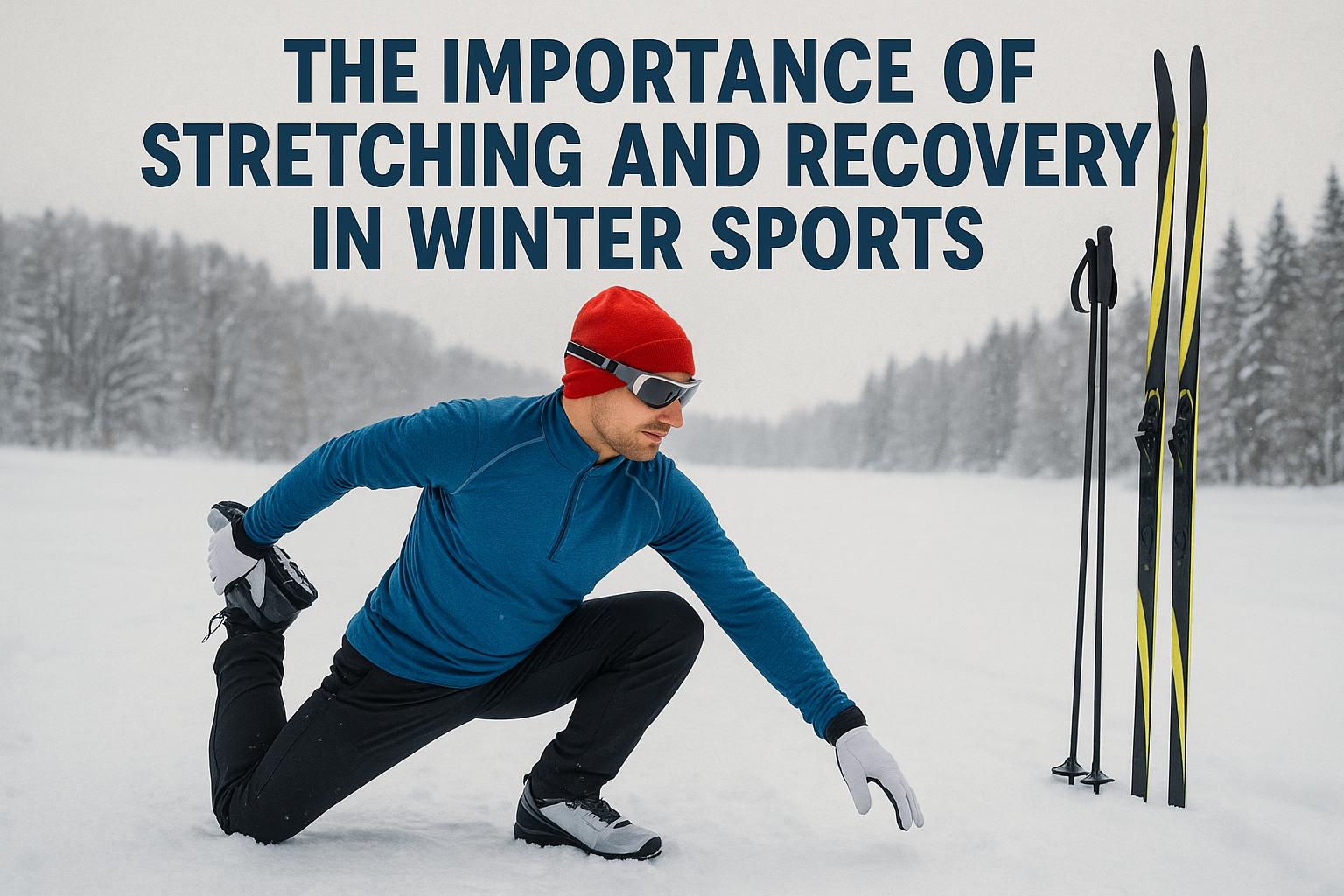
The Role of Stretching in Winter Sports
Stretching plays a pivotal role in maintaining physical fitness, especially when it comes to winter sports. Cold temperatures inherent in these sports pose a greater risk of muscle injuries due to the body’s physiological response of contracting and tightening muscles. Engaging in winter sports, which require significant physical exertion, becomes much safer and more enjoyable with a dedicated stretching routine. By focusing on improving flexibility and preserving the range of motion, athletes can enhance their performance while reducing the possibility of injuries.
Benefits of Stretching
The advantages of incorporating stretching into a winter sports routine are manifold. One of its most notable benefits is the enhanced blood flow to muscles, which is fundamental in preparing the body for the physical demand of winter sports. A warm-up regimen that increases blood circulation ensures muscles are ready for activity, reducing the risk of strains and tears.
Improved flexibility is another significant benefit that stretching provides. Sports like skiing, snowboarding, and ice skating demand a variety of complex movements, and increased flexibility allows athletes to execute these movements more efficiently and with greater ease. Furthermore, stretching can significantly reduce stiffness and soreness in muscles, contributing to greater overall comfort and improved performance during athletic endeavors.
The Importance of Recovery
In any athletic activity, recovery holds equal importance to the physical activity itself. This principle is particularly true for winter sports, where effective recovery is essential for athletic performance and injury prevention. Proper recovery helps in restoring energy reserves, repairing muscles, and preventing fatigue accumulation that might impair subsequent performances.
Elements of Effective Recovery
Several critical components contribute to effective recovery in winter sports:
Integrating Stretching and Recovery
For athletes engaged in winter sports, establishing a routine that includes both stretching and recovery is indispensable. Before participating in activities, incorporating dynamic stretches helps to warm up the muscles adequately. These stretches are designed to prepare the body for movement, improving elasticity and function.
Static stretches, on the other hand, are more appropriate for post-activity. These stretches aid in cooling down the body by gently elongating muscles that might have tightened during the activity. This cooling down through static stretching helps relax the muscles, prevent stiffness, and gradually return the heart rate to normal levels.
Integrating effective recovery strategies into this routine ensures that athletes are not only prepared for their current activity but are also primed for future performances. By minimizing the risk of overuse injuries and maintaining peak performance levels, athletes can continue to participate in winter sports safely and effectively.
For sporting enthusiasts seeking further guidance on how strategic stretching and recovery can enhance athletic performance, numerous resources are available. Such resources can offer insights into the best practices that can help achieve a safer and more fulfilling sporting experience. By systematically integrating these practices into their regimes, athletes and winter sports enthusiasts can unlock new heights of performance while safeguarding their physical well-being.