Origins of Winter Triathlons
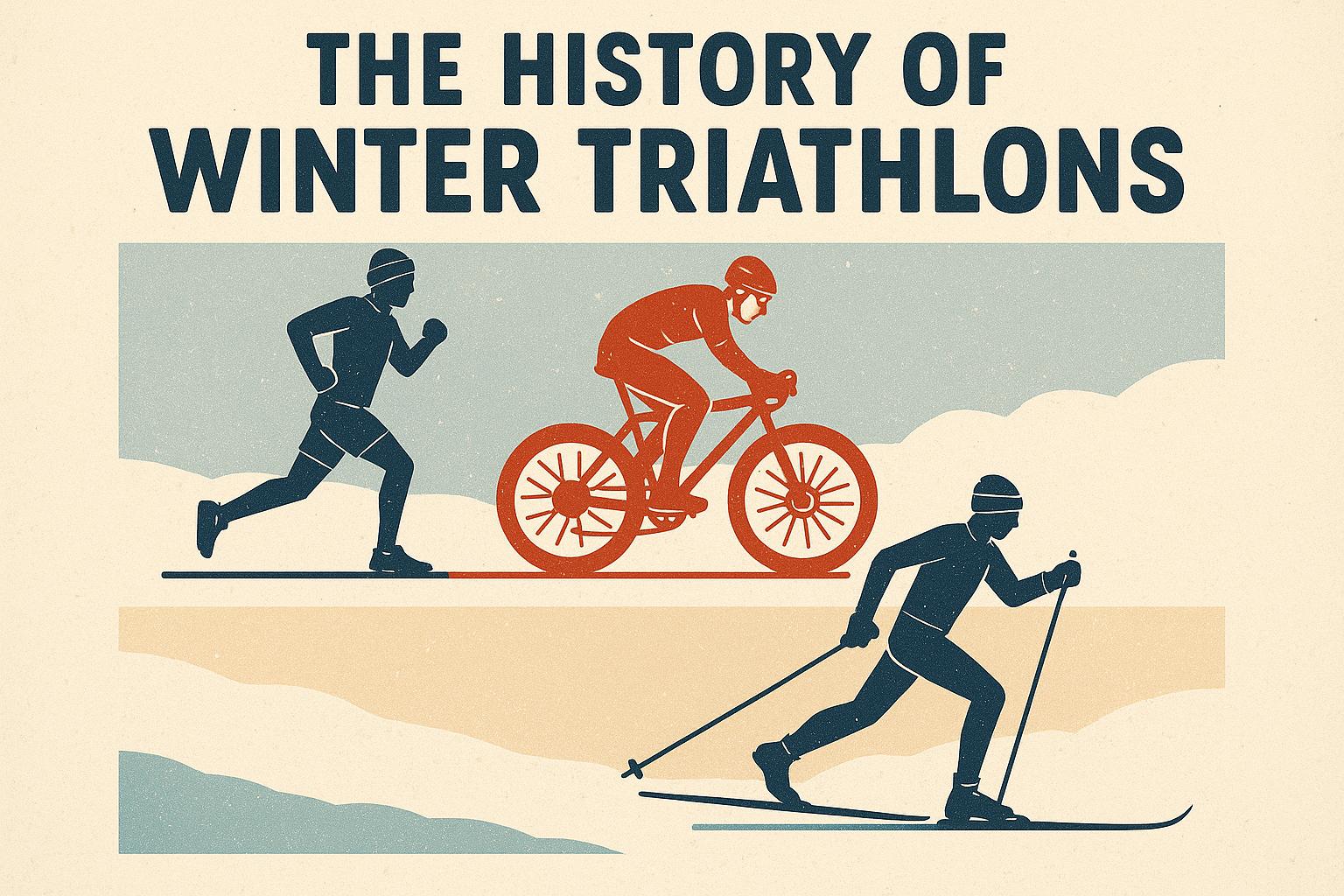
Winter triathlons, an intriguing adaptation of the traditional triathlon, have carved a niche by challenging athletes to confront the rigors of cold-weather conditions. The inception of this unique sport stemmed from the need to adapt athletic competitions to fit colder climates, substituting the swimming element typical of summer triathlons with more climate-suitable activities. Consequently, the swimming leg is replaced with running, mountain biking, and cross-country skiing, making the sport accessible to regions blanketed in ice and snow for a significant portion of the year. This combination tests the participants’ endurance and adaptability, presenting a spectrum of challenges distinct from its summer counterpart.
The roots of winter triathlons stretch back to Scandinavia during the late 1980s. During this period, local sports enthusiasts started to embrace the unique challenge offered by snow-covered landscapes. They began organizing informal competitions incorporating running, mountain biking, and skiing, which soon piqued the interest of local athletes eager to test their endurance against nature’s winter elements. These early events laid the groundwork for what would soon become a structured and popular sport across various cold-climate countries.
Formalizing the Sport
The informal competitions that defined the early stages of winter triathlons began to gain a formal structure as the sport’s popularity slowly rose. By the 1990s, a growing number of athletes and spectators were drawn to the sport, prompting the need for official oversight and organization. This shift towards formalization was a pivotal moment in the history of winter triathlons, setting the stage for the sport to expand beyond its grassroots origins.
This increased interest did not go unnoticed by international sports governing bodies. By 1997, the sport received a significant boost in credibility and visibility when the International Triathlon Union (ITU) officially recognized it as a sanctioned event. The endorsement by the ITU was instrumental in providing the necessary framework for establishing standardized rules and guidelines, ensuring consistency and fairness in competitions. This standardization was critical for attracting international participation and fostering the growth of the sport on a global scale.
Development and Popularization
The 2000s were a period of considerable growth and popularization for winter triathlons, as they expanded their reach far beyond their European origins. During this decade, the sport started garnering attention from countries across North America and Asia. Athletes from diverse backgrounds were drawn to the unique challenges presented by competing in ice and snow conditions. This expansion catalyzed the development of specialized gear and training regimens tailored to the specific demands of winter triathlon races.
One of the significant milestones in the sport’s evolution was the establishment of prestigious events, notably the ITU Winter Triathlon World Championships, which attracted international attention. These championships provided a platform for athletes from around the world to showcase their skills and endurance in cold-weather competitions, elevating the profile of winter triathlons on the global stage. During this period, countries such as Norway, Italy, and Canada emerged as key hubs for competitive winter triathlon racing, hosting numerous national and international events that further solidified the sport’s reputation.
Recent Developments
In recent years, winter triathlons have continued their evolution, fueled by advancements in both technology and accessibility. Athletes now benefit from the latest innovations in gear and training techniques. Specialized bicycles, skis, and apparel are continuously being developed and refined to optimize performance in the often harsh conditions of winter races. These advancements not only aid existing athletes but also lower entry barriers for newcomers, contributing to an expanding participant base.
The digital age has played a vital role in promoting the sport and broadening its reach. Social media platforms and digital content sharing have heightened the profile of winter triathlons, enabling enthusiasts from around the globe to follow events, participate in virtual competitions, and build a vibrant community around the sport. This online presence has been instrumental in encouraging new participants and engaging a global audience, further promoting the sport’s growth.
Moreover, there is ongoing dialogue among different governing bodies regarding the inclusion of winter triathlons in major multi-sport events, such as the Winter Olympics. While not yet part of the Olympic lineup, these discussions point to a rising interest in providing winter triathlons with a broader platform. The potential inclusion in such high-profile events would be a significant milestone, elevating the sport’s status and appeal to elite athletes worldwide.
Conclusion
Winter triathlons remain a fascinating amalgamation of traditional endurance sports, enriched by the complexity of winter conditions. Although the sport’s timeline is relatively short, its dynamic growth and adaptability over the past few decades underscore a broader trend—athletes and sports enthusiasts’ growing interest in diverse and challenging competitions. The sport’s development from informal, local events in Scandinavia to recognized international competitions highlights the passion and dedication of those involved in bringing winter triathlons to the global arena.
Looking ahead, the future appears bright for winter triathlons. With ongoing innovation in equipment and training, combined with increased exposure through digital and social media, the sport is poised to reach new heights. The sustained dialogue surrounding its inclusion in events like the Winter Olympics further suggests a promising trajectory. As more athletes and fans discover the unique appeal of winter triathlons, the sport is likely to continue its journey of growth and recognition on the world stage.