The Early Days of Polar Exploration
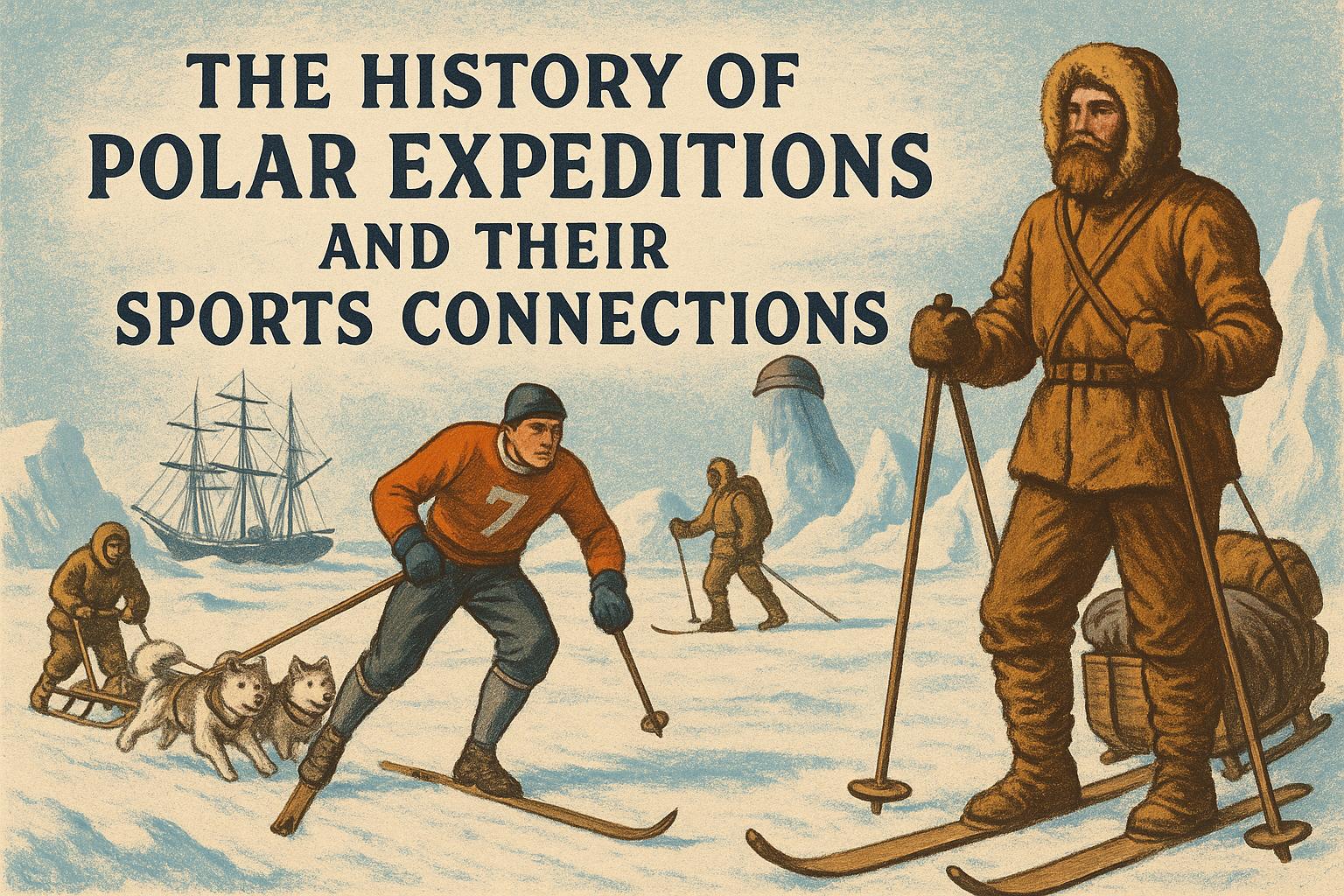
The history of polar expeditions is a testament to human courage and curiosity. These journeys were driven by an inherent need to reach and understand uncharted territories, often coinciding with a longing for physical challenges and economic benefits. Beginning with the early voyages in the 16th and 17th centuries, exploration of the Arctic and Antarctic regions was significantly propelled by economic interests, particularly in the search for new trade routes. The successful discovery of such passages could lead to a lucrative trading advantage, making these voyages financially appealing to sponsors and explorers alike. However, beyond economic incentives, these journeys laid the groundwork for future expeditions, which would eventually transcend commercial interests and evolve to embrace more scientific, exploratory, and, ultimately, sporting goals.
Heroic Age of Antarctic Exploration
The late 19th to early 20th century, often referred to as the Heroic Age of Antarctic Exploration, was a pivotal era for explorations in the South Pole. This period witnessed daring figures like Ernest Shackleton and Robert Falcon Scott undertaking perilous journeys, venturing deep into treacherous territories. These expeditions represented grueling physical endeavors, often testing the limits of human endurance. The extreme weather conditions, isolation, and lack of resources demanded exceptional survival skills, establishing a unique relationship between polar exploration and sports-like challenges. Participants relied on physical and mental fortitude, reinforcing the argument that such explorations were as much about athletic prowess as scientific discovery.
Shackleton’s Endurance Expedition
One of the most harrowing tales from this era is that of Ernest Shackleton’s Endurance expedition. The main objective was to make the first land crossing of the Antarctic continent. Despite the expedition’s failure to achieve its initial goal due to the ship’s entrapment and eventual destruction by pack ice, it is remembered as a remarkable tale of survival. The crew’s resilience and physical tenacity remained unbroken. They endured months on the ice, demonstrating incredible survival skills.
To keep morale high in such dire conditions and maintain fitness, the crew engaged in physical activities such as playing soccer on the ice. This diversion not only kept spirits up but drove home the point that physical activity was integral to the survival framework of such expeditions. These activities provided a crucial psychological and physical outlet, allowing the crew to momentarily escape their harsh reality and maintain cohesiveness and determination.
Modern Polar Challenges
In recent times, the intersection between polar exploration and athletic endeavors has only grown more pronounced. Expeditions have evolved from dangerous, exploratory treks into organized sporting events that draw both athletes and adventurers from around the world. These modern challenges represent a blend of traditional exploration spirit with contemporary athletic competition.
Polar Adventure Racing
Polar adventure racing has emerged as a prominent example of this trend. It involves multi-discipline events that may include skiing, kayaking, and trekking across various polar terrains. These races test the athletes’ physical capacities, adaptability, and mental willpower. The appeal of these races lies not only in the athletic competition but also in their requirement of survival skills, which are tested against the backdrop of some of nature’s most extreme environments.
Patagonian Expedition Race
An emblematic event like the Patagonian Expedition Race, often known as “The Last Wild Race,” exemplifies this category of events. Taking place in the Chilean Patagonia region, it is renowned for its challenging conditions and breathtaking scenery. Although not strictly a polar event, it shares the spirit of polar challenges due to its demands for endurance and resilience. Competitors find themselves navigating untouched landscapes, requiring them to adapt and push their physical boundaries in ways that mirror the historical expeditions of the polar regions.
The Role of Technology and Training in Polar Expeditions
The modern era of polar exploration has ushered in significant shifts in how these expeditions are approached. Technological advancements in gear, navigation, and physical training have transformed what was once a purely exploratory venture into a highly specialized form of extreme sports.
Technological Aids
The advent of satellite navigation systems, improved clothing materials, and lightweight equipment has greatly enhanced the safety and accessibility of polar regions. Though these technological aids reduce some physical burdens faced by explorers of the past, the extreme conditions of polar environments still demand rigorous physical preparation. The fierce landscapes, although a bit tamed by technology, still test the limits of human endurance and resilience.
Training Regimens
Participants in contemporary polar expeditions undergo specialized training regimens not unlike those of elite athletes. These programs encompass endurance, strength, and skill-based training to adequately prepare expedition members for the harsh physical demands of their journey. The aim is to replicate, as closely as possible, the challenges they might face, ensuring they can handle the strenuous environments they will encounter.
Environmental and Cultural Impacts
It is essential to recognize that polar regions house delicate ecosystems, and the influx of sport-oriented expeditions must be managed thoughtfully to prevent detrimental impacts on these environments. This awareness reflects a growing consciousness about the need to preserve these unique regions for future generations.
Eco-Friendly Practices
Modern polar expeditions and sports-related events emphasize eco-friendly practices, such as minimizing waste and avoiding disruption to local wildlife. Implementing such practices is critical for protecting the polar environment while allowing explorers, athletes, and adventurers to continue their pursuits responsibly. Awareness campaigns and guidelines work in tandem with the spirit of exploration to ensure these pristine environments remain unharmed.
Cultural Significance
Moreover, the integration of sports into polar exploration underscores their cultural significance. These expeditions embody the essence of human spirit in pushing boundaries, fostering international cooperation, and inspiring future generations. They provide a narrative that encourages individuals to explore, understand, and protect our planet’s extremities. Such expeditions, even today, serve as a reminder of our planet’s vast wonders and the collaborative human effort needed to venture into and conserve these last frontiers.
Ultimately, whether through the historical lessons of endurance or modern adventure sports, polar exploration continues to showcase humanity’s relentless quest to test its limits and understand the unknown.