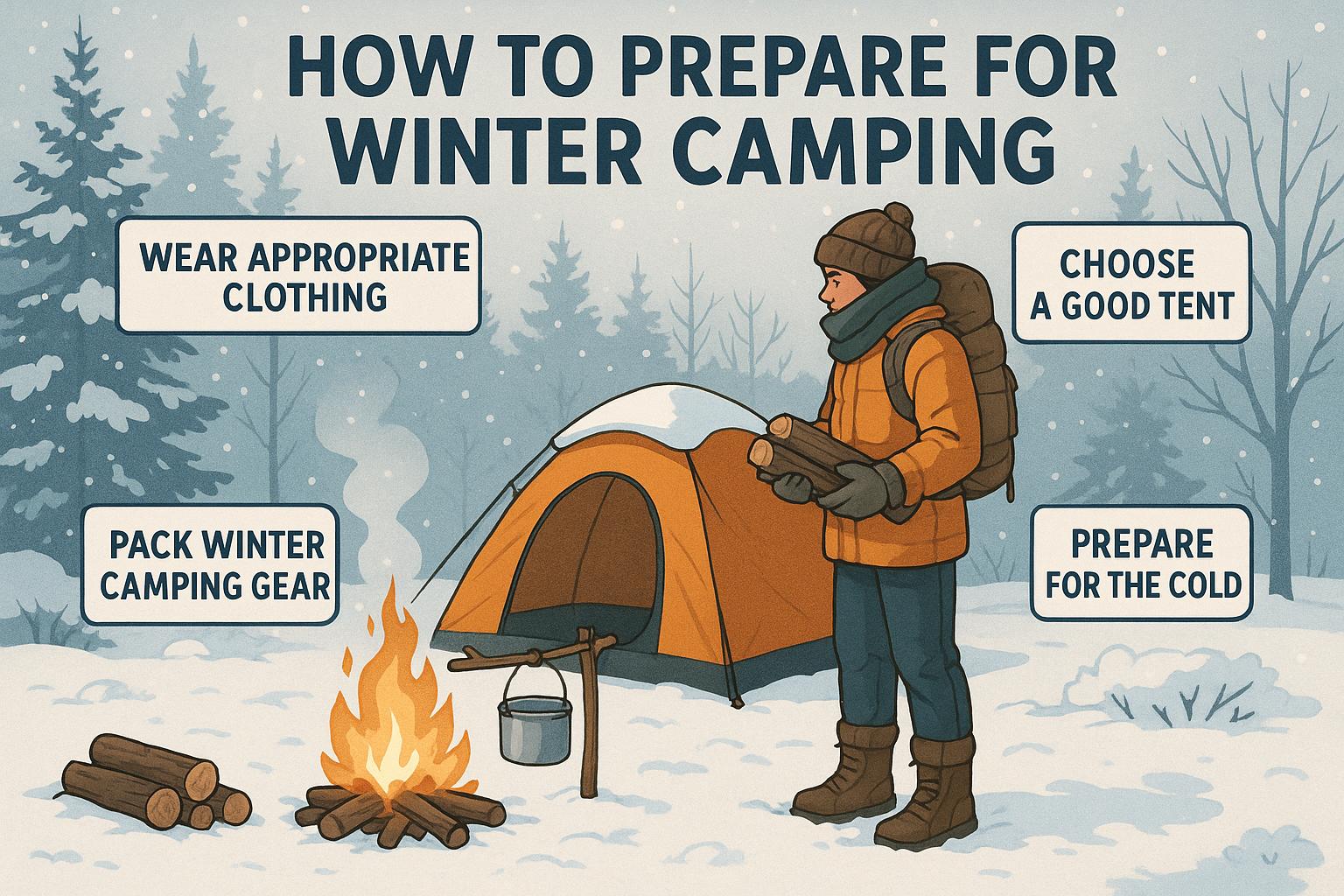
Understanding Winter Camping
Winter camping requires a different set of preparations compared to camping in milder weather. Proper planning and the right equipment can transform the experience into one that is both achievable and enjoyable. This guide provides essential information on how to prepare effectively for a successful winter camping adventure.
Choosing the Right Location
Selecting an appropriate location forms one of the first and most crucial steps in winter camping planning. Opting for places with established winter camping sites or areas that maintain facilities throughout the winter season can enhance safety and convenience. National parks and forests frequently offer designated winter camping areas and, in some instances, provide additional amenities or ranger guidance. Before embarking on your journey, thoroughly check the conditions and accessibility of your chosen location. Research whether snowmobiles or other transport aids are available if necessary and ensure that the access points are not restricted by adverse weather conditions.
Essential Equipment
Winter camping necessitates specialized gear to address the unique challenges posed by cold weather. Here are some vital equipment categories to consider:
Tents: For winter camping, a four-season tent is indispensable. These tents are designed to withstand snow accumulation and strong winds. Prioritize tents with robust frames that provide stability and those with adequate ventilation systems, as they help in preventing condensation inside the tent. Proper tent selection can significantly impact comfort levels during your trip.
Sleeping Bags: In the cold of winter, the sleeping bag becomes your haven of warmth. Choose a sleeping bag with a temperature rating well below what you anticipate encountering. Look for features like hoods and draft collars, which offer additional insulation around the head and neck, areas particularly vulnerable to heat loss.
Sleeping Pads: Insulation from the cold ground is vital to maintain body warmth. Opt for sleeping pads that boast high R-values, which measure the pad’s resistance to heat flow. Combining foam pads with inflatable ones provides enhanced insulation and comfort, helping to ensure a warm and restful sleep.
Clothing Layers
Effective management of body heat during winter camping hinges on the strategic use of clothing layers. Adhering to a tried-and-tested three-layer system can keep you comfortable:
Base Layer: Begin with a moisture-wicking base layer composed of materials such as wool or synthetic fabrics. These materials draw sweat away from your skin, keeping you dry and reducing the risk of chilling.
Middle Layer: Your middle layer acts as an insulator, with materials like fleece or down being excellent choices. This layer traps body heat, providing warmth in cold conditions.
Outer Layer: Finally, protect against wind and moisture with an outer layer made from waterproof and breathable materials. Jackets and pants in this category should fend off the elements while allowing sweat to evaporate.
Footwear and Accessories
Choosing appropriate footwear is crucial to maintaining comfort and safety. Waterproof and insulated boots help keep your feet warm and dry. Additionally, the use of gaiters is effective in keeping snow from entering your boots. As for accessories, items such as hats, gloves, and scarves made from wool or synthetic fibers provide essential warmth. It is advisable always to have spare gloves and socks—these extras can be lifesavers by offering a dry alternative when your main pairs become wet or worn out.
Food and Hydration
The cold environment of winter camping means your body will burn more calories, making it important to plan high-energy meals. Selecting a stove that remains reliable in cold conditions is critical; practice using it before your trip to familiarize yourself with its operation. Dehydration is a common yet somewhat overlooked risk when camping in cold environments. Despite the low temperatures, your body loses moisture, so stay vigilant about your fluid intake. Insulated containers are helpful in preventing liquids from freezing, ensuring you have access to water throughout your stay.
Safety Considerations
Safety takes on heightened importance during winter camping due to the inherent challenges of the environment. Stay well-informed of the weather forecast in your chosen camping area and prepare for potentially changing conditions. Knowledge of how to identify and avoid avalanche-prone areas could be lifesaving in mountainous regions. Remember to carry a first aid kit tailored for cold-weather emergencies, enabling you to deal with any incidents that may arise responsibly.
Navigational Tools
Navigation can become particularly challenging during winter, as trails may be obscured by snow. Use a GPS device along with a traditional map and compass to ensure accurate navigation. Familiarize yourself with your chosen routes and the navigational tools you will use. This preparation aids in maintaining your bearings should you face trail confusion in snowy conditions.
Leave No Trace Principles
Adhering to Leave No Trace principles remains foundational to respectful camping. Ensure all waste, including food scraps and personal waste, is packed out with you. Dispose of all waste responsibly upon your return. Upholding these principles protects and preserves the natural beauty of the environment for fellow campers and wildlife, maintaining its pristine condition for future visitors.
For more in-depth information on winter camping gear, visit REI’s Winter Camping Tips.
Conclusion
Successful winter camping involves deliberate planning, the right equipment, and the implementation of safety measures. By considering factors such as location, gear choice, clothing, and safety, you can enhance both the safety and enjoyment of your winter camping experience. Furthermore, always respect the environment and adhere to ethical camping practices, ensuring that the wilderness remains unspoiled for generations to come.