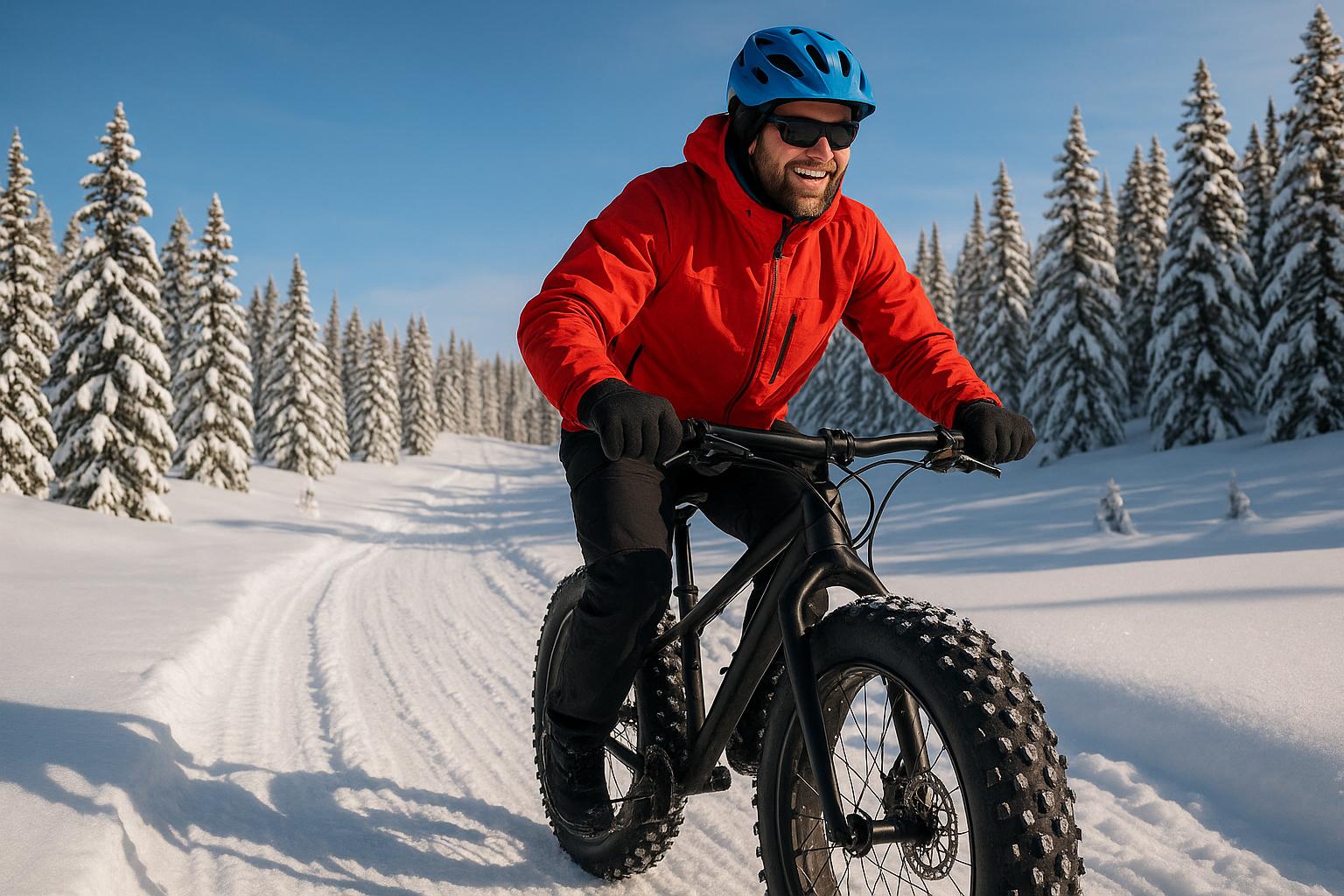
The Rise of Fat Biking on Snow
Fat biking on snow has seen a significant increase in popularity over the past decade. This outdoor winter activity combines the thrill of mountain biking with the unique challenges and beauty of snow-covered landscapes. As cold weather creates a backdrop of pristine white terrain, enthusiasts find a captivating mix of exercise and exploration, provided through the distinct advantages of a specialized bicycle.
What Are Fat Bikes?
Fat bikes are specifically designed bicycles featuring oversized tires, typically ranging from 3.8 to 5 inches in width. These wider tires impart a noticeable difference in performance when it comes to traversing snowy and icy conditions. Unlike traditional bicycles that are equipped with narrower tires, fat bikes are engineered to provide greater stability and adherence. The substantial width allows the bike to “float” on top of the snow rather than sinking into it. The design emphasis here is twofold – giving the rider enhanced balance and enabling navigation of complex trails often found in snowy conditions. When coupled with low tire pressure, the bike maintains superior contact with the surface, allowing it to glide over snow-covered grounds where conventional bikes would struggle or fail.
Reasons for Popularity
Several factors contribute to the growing popularity of fat biking on snow. Firstly, it provides an inclusive year-round outdoor riding option, which is crucial for cycling enthusiasts frustrated by the seasonal interruptions caused by inclement weather. The advent of fat biking ensures that cycling can continue even during the winter months when traditional biking might be stifled due to snow or ice. Secondly, beyond recreational appeal, fat biking serves as an excellent cardiovascular workout. It engages a large group of muscles while testing endurance, comparable to other winter sports like cross-country skiing.
Additionally, there is an undeniable novelty factor that attracts both seasoned cyclists and newcomers. The allure of seeing familiar trails transformed by snow, coupled with the unspoiled beauty of winterscapes, is enticing to many. Large snowflakes dancing around while maneuvering through tranquil, snow-laden forests offers a unique sensory experience that is rare in other sports.
Equipment and Gear
Enjoying fat biking on snow does require special gear. Central to this is, of course, the fat bike itself, whose design uniquely supports the activity’s demands. Beyond the bike, wearing the right clothing becomes essential. Riders should opt for warm, moisture-wicking attire to ensure comfort and to prevent hypothermia or discomfort that can result from sweat chilling on the skin. Insulated gloves are also vital to protect hands against the bitter cold, as they bear the brunt of wind exposure while riding. Helmets, crucial for safety, should generally be insulated to offer enhanced protection against low temperatures. Additionally, some cyclists choose clipless pedals and winter-specific cycling boots, which reinforce both efficiency in pedaling and the preservation of warmth in extremities, areas which often suffer most from the cold.
Popular Fat Biking Destinations
Through North America and Europe, a range of destinations has built reputations as fat biking hotspots, making use of their picturesque winter climates. In the United States, Maine, Wisconsin, and Colorado are leading the charge—these locales offer a mix of rugged beauty and well-constructed trails tailored for fat biking. They serve as excellent venues where riders can test both their ability and their endurance against the backdrop of stunning, snow-drenched settings.
Meanwhile, Europe offers equally compelling options. Norway and Finland have positioned themselves as prime destinations for those wanting to experience Arctic conditions. Here, the appeal lies in the ability to journey across sweeping, icy landscapes while catching glimpses of breathtaking natural wonders, such as glimpses of the Northern Lights. The infrastructure supporting fat biking is growing rapidly, with trails and facilities being adapted regularly. Many ski resorts and national parks have begun converting existing trails, underscoring a strong commitment to advocate for this budding sport by making it widely accessible and sustainable.
Environmental Impact
Despite its growth and the enthusiasm surrounding fat biking, there are valid environmental considerations that trail organizations must regularly address. To ensure that this sport remains sustainable, it’s crucial that trails are monitored and properly maintained. In many regions, dedicated organizations work collaboratively to establish guidelines that minimize ecological impacts, ensuring that recreational use doesn’t overshadow conservation efforts. By creating an open dialogue between fat bikers and environmentalists, a balance can be achieved where sports and nature conservation can coexist.
Ultimately, fat biking on snow delivers an exhilarating method to explore winter landscapes while promoting physical health and wellness. Its rising popularity suggests ongoing growth, offering fresh opportunities for those in search of winter adventure. Over time, these unique bikes and the community that cherishes them may lead the conversation around not only embracing outdoor pursuits, even in the coldest months, but also about protecting and sustaining the environments that facilitate such enjoyment.