How to prepare for winter camping.

How to prepare for winter camping.

Understanding Winter Camping

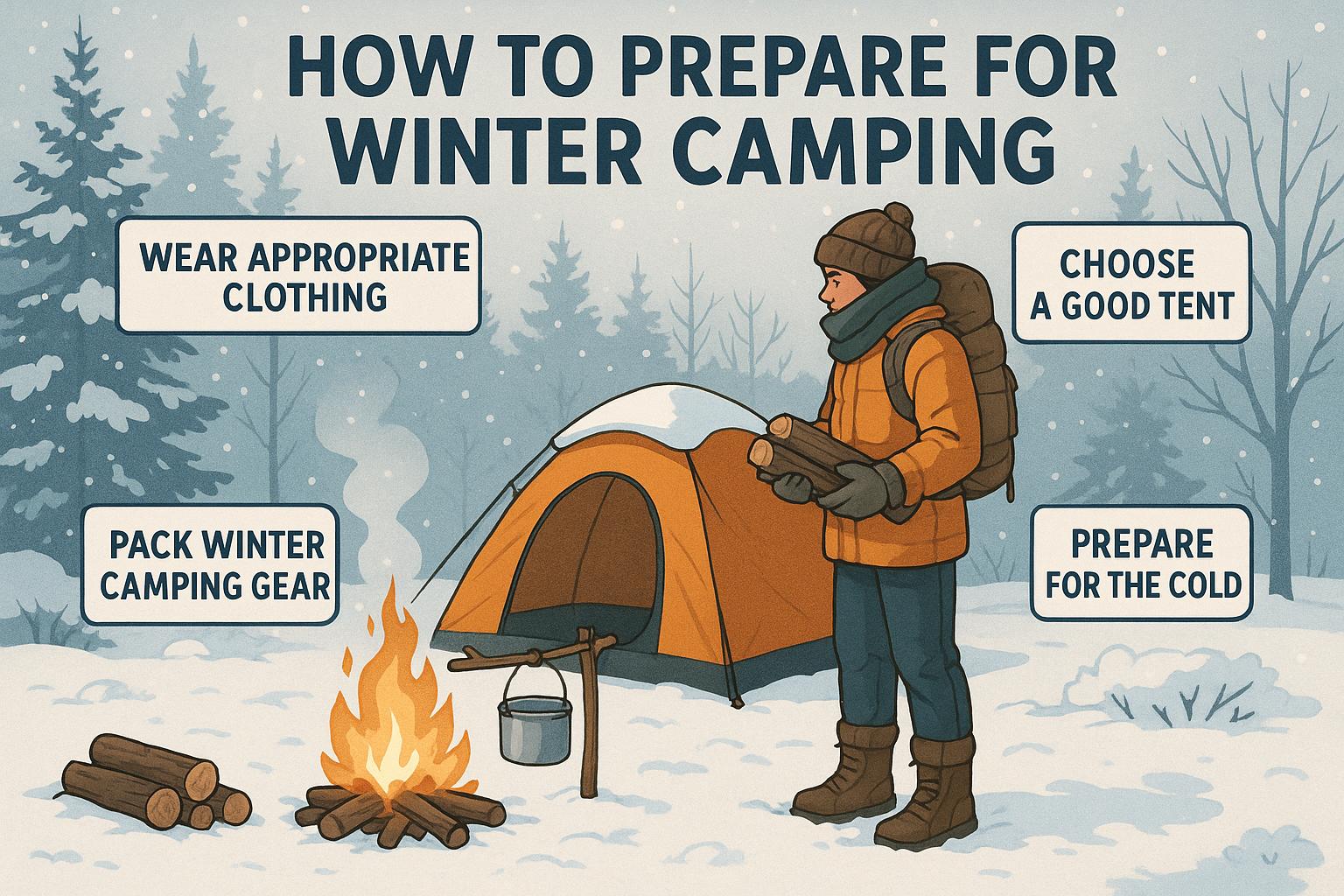
Winter camping requires a different set of preparations compared to camping in milder weather. Proper planning and the right equipment can transform the experience into one that is both achievable and enjoyable. This guide provides essential information on how to prepare effectively for a successful winter camping adventure.

Choosing the Right Location

Selecting an appropriate location forms one of the first and most crucial steps in winter camping planning. Opting for places with established winter camping sites or areas that maintain facilities throughout the winter season can enhance safety and convenience. National parks and forests frequently offer designated winter camping areas and, in some instances, provide additional amenities or ranger guidance. Before embarking on your journey, thoroughly check the conditions and accessibility of your chosen location. Research whether snowmobiles or other transport aids are available if necessary and ensure that the access points are not restricted by adverse weather conditions.

Essential Equipment

Winter camping necessitates specialized gear to address the unique challenges posed by cold weather. Here are some vital equipment categories to consider:

Tents: For winter camping, a four-season tent is indispensable. These tents are designed to withstand snow accumulation and strong winds. Prioritize tents with robust frames that provide stability and those with adequate ventilation systems, as they help in preventing condensation inside the tent. Proper tent selection can significantly impact comfort levels during your trip.

Sleeping Bags: In the cold of winter, the sleeping bag becomes your haven of warmth. Choose a sleeping bag with a temperature rating well below what you anticipate encountering. Look for features like hoods and draft collars, which offer additional insulation around the head and neck, areas particularly vulnerable to heat loss.

Sleeping Pads: Insulation from the cold ground is vital to maintain body warmth. Opt for sleeping pads that boast high R-values, which measure the pad’s resistance to heat flow. Combining foam pads with inflatable ones provides enhanced insulation and comfort, helping to ensure a warm and restful sleep.

Clothing Layers

Effective management of body heat during winter camping hinges on the strategic use of clothing layers. Adhering to a tried-and-tested three-layer system can keep you comfortable:

Base Layer: Begin with a moisture-wicking base layer composed of materials such as wool or synthetic fabrics. These materials draw sweat away from your skin, keeping you dry and reducing the risk of chilling.

Middle Layer: Your middle layer acts as an insulator, with materials like fleece or down being excellent choices. This layer traps body heat, providing warmth in cold conditions.

Outer Layer: Finally, protect against wind and moisture with an outer layer made from waterproof and breathable materials. Jackets and pants in this category should fend off the elements while allowing sweat to evaporate.

Footwear and Accessories

Choosing appropriate footwear is crucial to maintaining comfort and safety. Waterproof and insulated boots help keep your feet warm and dry. Additionally, the use of gaiters is effective in keeping snow from entering your boots. As for accessories, items such as hats, gloves, and scarves made from wool or synthetic fibers provide essential warmth. It is advisable always to have spare gloves and socks—these extras can be lifesavers by offering a dry alternative when your main pairs become wet or worn out.

Food and Hydration

The cold environment of winter camping means your body will burn more calories, making it important to plan high-energy meals. Selecting a stove that remains reliable in cold conditions is critical; practice using it before your trip to familiarize yourself with its operation. Dehydration is a common yet somewhat overlooked risk when camping in cold environments. Despite the low temperatures, your body loses moisture, so stay vigilant about your fluid intake. Insulated containers are helpful in preventing liquids from freezing, ensuring you have access to water throughout your stay.

Safety Considerations

Safety takes on heightened importance during winter camping due to the inherent challenges of the environment. Stay well-informed of the weather forecast in your chosen camping area and prepare for potentially changing conditions. Knowledge of how to identify and avoid avalanche-prone areas could be lifesaving in mountainous regions. Remember to carry a first aid kit tailored for cold-weather emergencies, enabling you to deal with any incidents that may arise responsibly.

Navigational Tools

Navigation can become particularly challenging during winter, as trails may be obscured by snow. Use a GPS device along with a traditional map and compass to ensure accurate navigation. Familiarize yourself with your chosen routes and the navigational tools you will use. This preparation aids in maintaining your bearings should you face trail confusion in snowy conditions.

Leave No Trace Principles

Adhering to Leave No Trace principles remains foundational to respectful camping. Ensure all waste, including food scraps and personal waste, is packed out with you. Dispose of all waste responsibly upon your return. Upholding these principles protects and preserves the natural beauty of the environment for fellow campers and wildlife, maintaining its pristine condition for future visitors.

For more in-depth information on winter camping gear, visit REI’s Winter Camping Tips.

Conclusion

Successful winter camping involves deliberate planning, the right equipment, and the implementation of safety measures. By considering factors such as location, gear choice, clothing, and safety, you can enhance both the safety and enjoyment of your winter camping experience. Furthermore, always respect the environment and adhere to ethical camping practices, ensuring that the wilderness remains unspoiled for generations to come.

The cultural significance of hockey in Canada.

The cultural significance of hockey in Canada.

Introduction

Hockey is more than just a sport in Canada; it has become a deeply ingrained element of the nation’s cultural identity. The sport has been an essential part of Canadian life for over a century, affecting its communities, history, and national pride. This article delves into the cultural significance of hockey in Canada, examining its impact on society and how it has become interwoven into the very fabric of Canadian culture.

Historical Background

The origins of hockey in Canada stretch back to the 19th century when outdoor winter activities were a practical way to stay active during the long, harsh winters. The first recorded indoor hockey game took place in Montreal in 1875, marking the nascent stage of organized hockey within the country. Over time, the sport’s appeal widened, cutting across regional and community boundaries, eventually establishing itself as a unifying force for Canadians. The structured nature of the early games gave way to local leagues and competitions, and by the early 20th century, hockey was well on its way to becoming Canada’s national pastime.

Developing National Identity

As Canada matured into an independent nation, hockey played an instrumental role in shaping its emerging identity. The sport resonated deeply with Canadian values such as tenacity, teamwork, and resilience. Such ideals found a fitting representation in the strategy and spirit of the game. For many Canadians, international competitions like the Winter Olympics and the World Cup of Hockey provided not only entertainment but a chance to watch their compatriots excel on the world stage. The triumphs and challenges experienced by national teams in these arenas reinforced national unity and pride, reflecting back on the country’s collective consciousness through each puck dropped and goal scored.

Impact on Canadian Society

The influence of hockey extends far beyond the confines of the ice rink, playing a vital part in societal integration across Canada. It fosters social interaction, encourages physical activity, and helps build tighter community bonds. In numerous towns and cities, the local hockey rink isn’t just a venue for games but serves as a community hub, hosting social events and gatherings that bring people together. This central role that hockey plays in the everyday lives of Canadians serves to strengthen social ties, acting as a cornerstone of community spirit and engagement.

Economic Contributions

The economic impacts of hockey in Canada are substantial, reaching various facets of the economy. Hockey represents a multi-billion-dollar industry that includes revenue from local arenas, minor leagues, and professional teams. The National Hockey League (NHL), boasting seven Canadian teams, is an economic powerhouse, generating employment opportunities, attracting tourism, and capturing media attention. Additionally, hockey supports numerous ancillary industries, including sports equipment manufacturing, broadcasting, and hospitality. These industries benefit from the ongoing demand for hockey-related products and services, thus reinforcing the sport’s economic vitals within the national framework.

Cultural and Literary Influence

Beyond the rink and economic contributions, hockey has cemented its place within Canadian art and literature. The sport has been the focal point of numerous books, films, and documentaries, each exploring the depth of hockey’s cultural significance. Authors and filmmakers frequently use hockey as a backdrop to articulate broader themes of personal growth, community solidarity, and the quintessential Canadian experience, thereby further embedding the sport within Canada’s cultural legacy.

Representation in Art

Artists in Canada have long captured the essence of hockey through various art forms such as paintings, sculptures, and photography. Pieces celebrating the sport’s beauty and its intense dynamics now form part of Canada’s artistic heritage. Iconic depictions of hockey players and significant moments have become visual symbols of national pride and nostalgia, often evoking a collective memory that reinforces hockey’s role as more than just a sporting event but a part of the nation’s artistic narrative.

Educational and Developmental Role

Hockey’s role in Canada transcends entertainment, playing an integral part in the educational and developmental fabric for the youth. Participation in hockey extends beyond physical fitness, serving as a conduit for teaching essential life skills like teamwork, leadership, and discipline. Across the country, various programs encourage young people to get involved in hockey, promoting both mental and physical well-being. They focus on building not just athletes, but well-rounded individuals ready to tackle diverse challenges.

Inclusivity and Diversity

In recent years, significant efforts have been made to align hockey more closely with Canada’s inherent diversity. Initiatives geared at making hockey accessible to all Canadians, regardless of ethnicity, gender, or socio-economic background, have emerged across the nation. These efforts aim to break down barriers to entry, ensuring that the playing field expands to reflect the broad diversity of Canadian society. Programs dedicated to fostering inclusivity work towards making hockey a truly national sport, where opportunities to play are available to everyone.

Conclusion

Hockey’s cultural significance in Canada transcends mere sport. It is a profound symbol of national pride, a vessel for communities to unite, and an echo of the Canadian ethos. Its reach permeates every conceivable aspect of life in Canada, embodying why it remains an indispensable part of the country’s identity. The sport continues to evolve, and with it, the love and respect Canadians have for hockey only grow, ensuring its place at the heart of Canadian culture for generations to come. Through the stories told, the economic impacts felt, and the joy shared on and off the ice, hockey will remain integral to Canada’s national narrative.

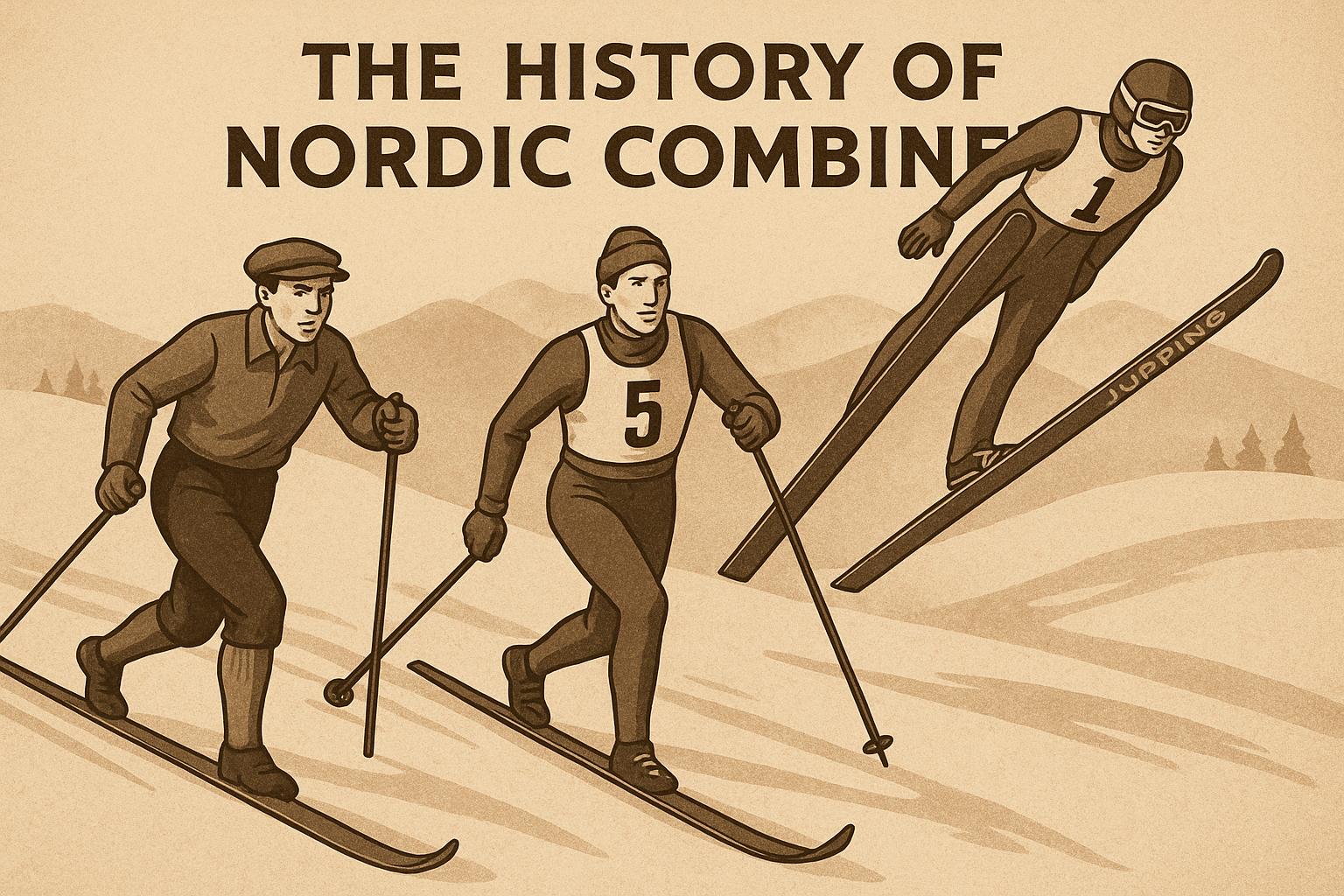
The history of Nordic combined events.

The history of Nordic combined events.

Introduction to Nordic Combined

Nordic Combined is a fascinating winter sport that integrates the seemingly disparate disciplines of ski jumping and cross-country skiing. This unique amalgamation requires athletes to master not just one, but two distinct areas of expertise to achieve success. Its history is reflective of the broader historical context of winter sports and the innovations that have shaped competitive skiing over the years. Understanding Nordic Combined requires a look at its origins, evolution, and the structural changes that have occurred over time.

Early Beginnings

The roots of Nordic Combined can be traced back to Norway, a country where skiing historically served as a practical mode of traversing snow-covered terrains. By the late 19th century, skiing competitions started to gain popularity, which led to the creation of events that seamlessly blended ski jumping with cross-country skiing. The Holmenkollen Ski Festival, a renowned event held in Oslo, Norway, was one of the pioneering platforms for Nordic Combined, playing a critical role in embedding this sport within the broader culture of winter sports.

The First Organized Competitions

The inauguration of organized competitions for Nordic Combined can be pinpointed to 1892 with the Holmenkollen Ski Festival hosting these groundbreaking events. These competitions were instrumental not only in shaping the initial rules and structures of the sport but also in setting the stage for the future of international competitions. The success of the early events at Holmenkollen laid a strong foundation for the sport’s expansion and eventual inclusion in prominent sporting arenas worldwide.

Olympic Integration

Nordic Combined made its grand debut at the Winter Olympic Games in 1924, held in Chamonix, France, cementing its place as a staple feature of the event. Across various editions of the Winter Olympics, the sport witnessed numerous evolutions in format, aligning with the advancement of athletic standards and competitive practices. The sport’s inclusion in such a prestigious international event enhanced its visibility and encouraged the cultivation of talent on a global scale.

Changes in Competition Formats

The sport of Nordic Combined has seen numerous modifications to its competition formats over time. Originally, the events were organized using a fixed point system that included a single ski jump coupled with a 15-kilometer cross-country skiing leg. Today, the format more commonly involves one ski jump and a 10-kilometer cross-country race. The Gundersen method, which determines starting times based on jumping scores, was instituted to ensure fair competition while maintaining the sport’s excitement and spectator appeal. These adjustments were crucial in keeping the sport relevant and accessible to athletes and audiences alike.

Growth and Global Reach

Initially, Nordic Combined witnessed domination from Scandinavian countries during its formative years. However, as the sport developed, it expanded its reach across the globe. Today, several countries outside Scandinavia, including Germany, Finland, and Austria, are strong competitors on the international stage. International skiing federations have made concerted efforts to stimulate the growth of Nordic Combined in North America and Asia, further enhancing its global presence and popularity. These efforts have successfully diversified the sport, bringing it a myriad of new fans and participants.

Women’s Participation

For many years, Nordic Combined was an exclusively male-dominated sport. However, the turn of the 21st century ushered in a new era of inclusivity with the introduction of women’s competitions. This change was emblematic of a broader movement toward gender equality in sports. The first Women’s Nordic Combined World Cup, held during the 2020-2021 season, was a landmark achievement for female athletes, reflecting the sport’s adaptability and dedication to inclusivity.

Conclusion

Nordic Combined stands out as an extraordinary and challenging sport that requires a unique combination of athletic skills. The rich history of Nordic Combined is indicative of the deep-rooted appeal of winter sports, which combines long-standing traditions with contemporary competitiveness. As time progresses and new talents rise through the ranks, Nordic Combined is poised to maintain and possibly expand its prominence within the realm of international winter sports competitions. Enthusiasts and aspiring athletes alike can benefit from the myriad events and organizations globally that remain dedicated to nurturing and promoting this dynamic sport. The sport’s ability to adapt and grow with the times will no doubt contribute to its vitality and relevance in years to come.

How to navigate icy trails safely.

How to navigate icy trails safely.

Understanding the Challenges of Icy Trails

Navigating icy trails demands both preparation and awareness of potential hazards that might be encountered along the way. When underfoot conditions are challenging, it becomes vital to exercise caution to ensure safety, not only for oneself but for other trail users as well. Various factors contribute to the complexities and risks associated with icy trails, such as temperature fluctuations, trail inclines, and existing snow cover.

Assessing Weather Conditions

Before setting out on an icy trail, it is important to check the local weather forecast. Understanding the forecast helps in anticipating any changes likely to affect the icy conditions. Sudden weather shifts, particularly rain followed by a cold snap, can significantly modify the trail’s safety. Reliable sources for accurate weather predictions include meteorological websites and specialized local hiking forums where you can access firsthand updates from seasoned hikers.

Being aware of the expected weather conditions aids in strategizing both the trail choice and duration of your venture. Knowing upcoming weather patterns can help in determining the appropriate trail for your skills and in selecting the right gear needed for a safe trek.

Choosing Appropriate Footwear

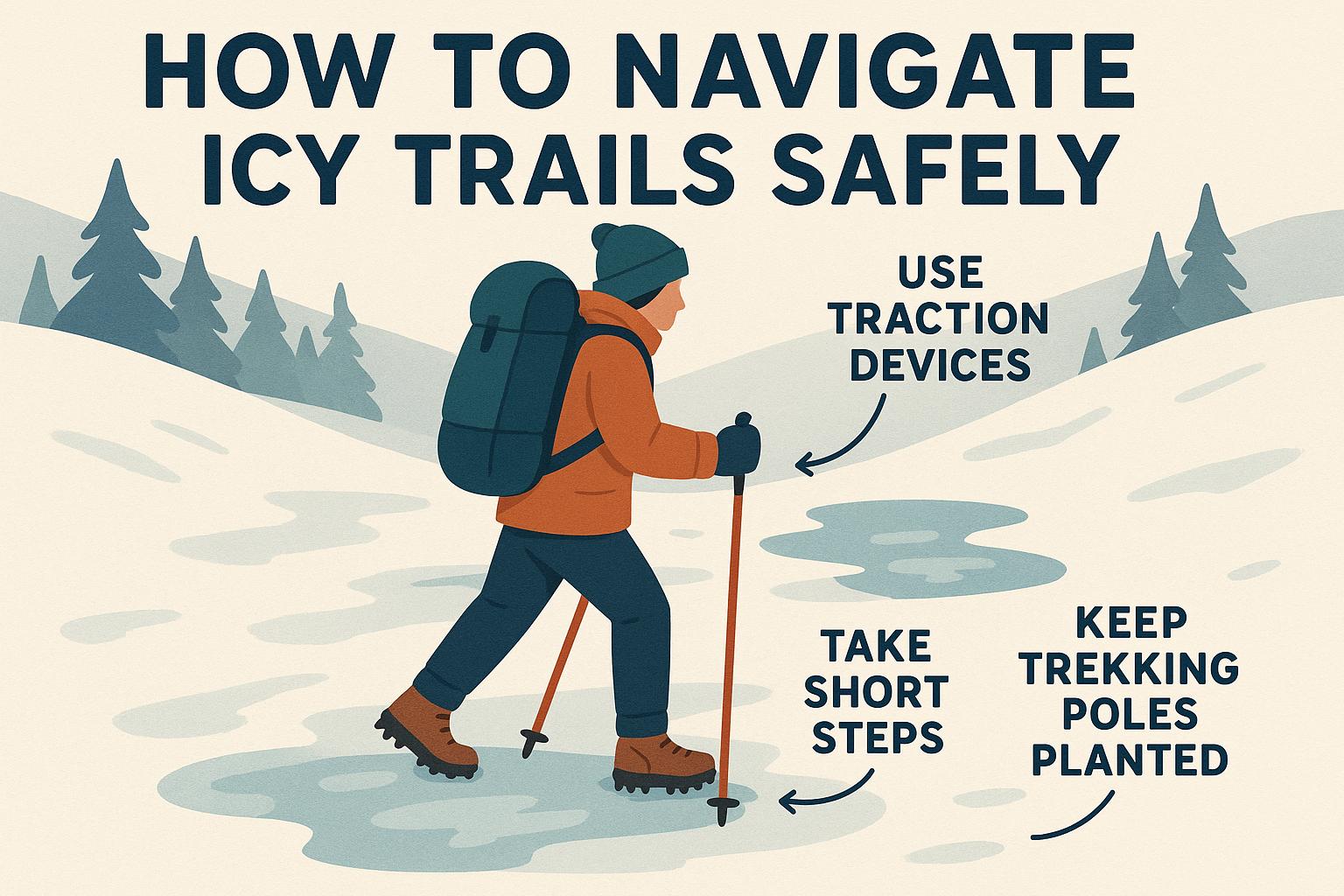
Footwear plays a crucial role when navigating icy terrains, and selecting the right pair substantially impacts your experience. Opt for boots that offer good insulation and waterproof properties, ensuring comfort and warmth despite harsh conditions. For enhanced grip, crampons or microspikes can be attached to the soles of your boots. These devices significantly increase traction, reducing the likelihood of slipping on icy patches.

Another consideration is the fit and quality of the footwear; ill-fitted boots can cause discomfort and hinder your ability to walk safely and naturally. Investing in durable and sturdy boots designed specifically for winter conditions is advisable for anyone who frequently treks on icy trails.

Using Trekking Poles

Trekking poles are an invaluable asset for anyone braving icy paths. They provide additional stability and support, significantly reducing the risk of falls and ensuring balance. Trekking poles are particularly useful when ascending or descending slopes covered with ice and snow. Ensure that your poles are equipped with baskets; these prevent the poles from slipping between gaps in dense, packed snow.

Additionally, proper usage of trekking poles can help distribute weight evenly and lessen the strain on your joints, which can be particularly beneficial during lengthy hikes on challenging terrain. Adjust the length of your poles to suit the trail’s incline and your height for maximum ergonomic benefit.

Trail Etiquette and Safety Measures

Maintaining awareness of other trail users is an important part of ensuring a safe hiking experience. Icy trails can often be narrow, requiring hikers to show consideration and patience by allowing others to pass and maintaining a safe distance. Clear communication and signaling your intentions can prevent unnecessary accidents and foster an atmosphere of mutual respect among hikers.

When faced with particularly difficult sections of the trail, it is always advisable to prioritize safety and turn back if conditions appear too unsafe to proceed. Recognizing your limits and the unpredictability of the environment protects not only you but also sets a good example for others venturing onto the trail.

Carrying Essential Gear

Exploring icy trails necessitates carrying essential gear to handle potential emergencies that may arise. A well-equipped backpack is crucial and might include the following components:

First aid kit: To promptly address minor injuries that could occur during the hike.
Navigation tools: Such as a map, compass, or GPS device to ensure you stay on the correct path.
Extra clothing: Multiple layers that can be added or removed to protect against sudden temperature fluctuations.
Food and water: Essential for maintaining energy levels and hydration, keeping your body fueled for the physical demands of hiking.

Equipment such as headlamps or flashlights, with spare batteries, can also be invaluable for ensuring visibility if your hike extends into dusk or night-time conditions. Consider including a whistle or another signal device in case of emergency situations.

Communication and Awareness

It is prudent to inform someone not on the hike of your plans, including the expected return time and trail route, especially if venturing into more isolated areas. Carry a mobile phone that is fully charged; however, be aware that some trails may have limited or no connectivity. In these instances, having an understanding of your environment and awareness of designated landmarks can be especially useful.

Should you become stranded, knowing some basic survival skills and having the appropriate gear can make a significant difference. Understanding how to construct a temporary shelter from available materials or starting a safe fire can prove pivotal while waiting for help.

For further details on winter hiking safety, you may want to consult local outdoor associations or hiking groups, which frequently provide resources and guides for trail navigation during winter months. These groups can also offer valuable community support and opportunities for networking with other hiking enthusiasts.

Conclusion

By preparing adequately and understanding the unique challenges presented by icy trails, outdoor enthusiasts can enjoy a rewarding and safe hiking experience. Remaining vigilant, adhering to safety protocols, and respecting the unpredictable nature of the environment are key components to effectively navigating icy landscapes. Taking time to prepare adequately, choosing appropriate gear, and maintaining a respectful etiquette will greatly enhance your journey, allowing you to embrace the winter wilderness with confidence and joy.

The popularity of fat biking on snow.

The popularity of fat biking on snow.

The Rise of Fat Biking on Snow

Fat biking on snow has seen a significant increase in popularity over the past decade. This outdoor winter activity combines the thrill of mountain biking with the unique challenges and beauty of snow-covered landscapes. As cold weather creates a backdrop of pristine white terrain, enthusiasts find a captivating mix of exercise and exploration, provided through the distinct advantages of a specialized bicycle.

What Are Fat Bikes?

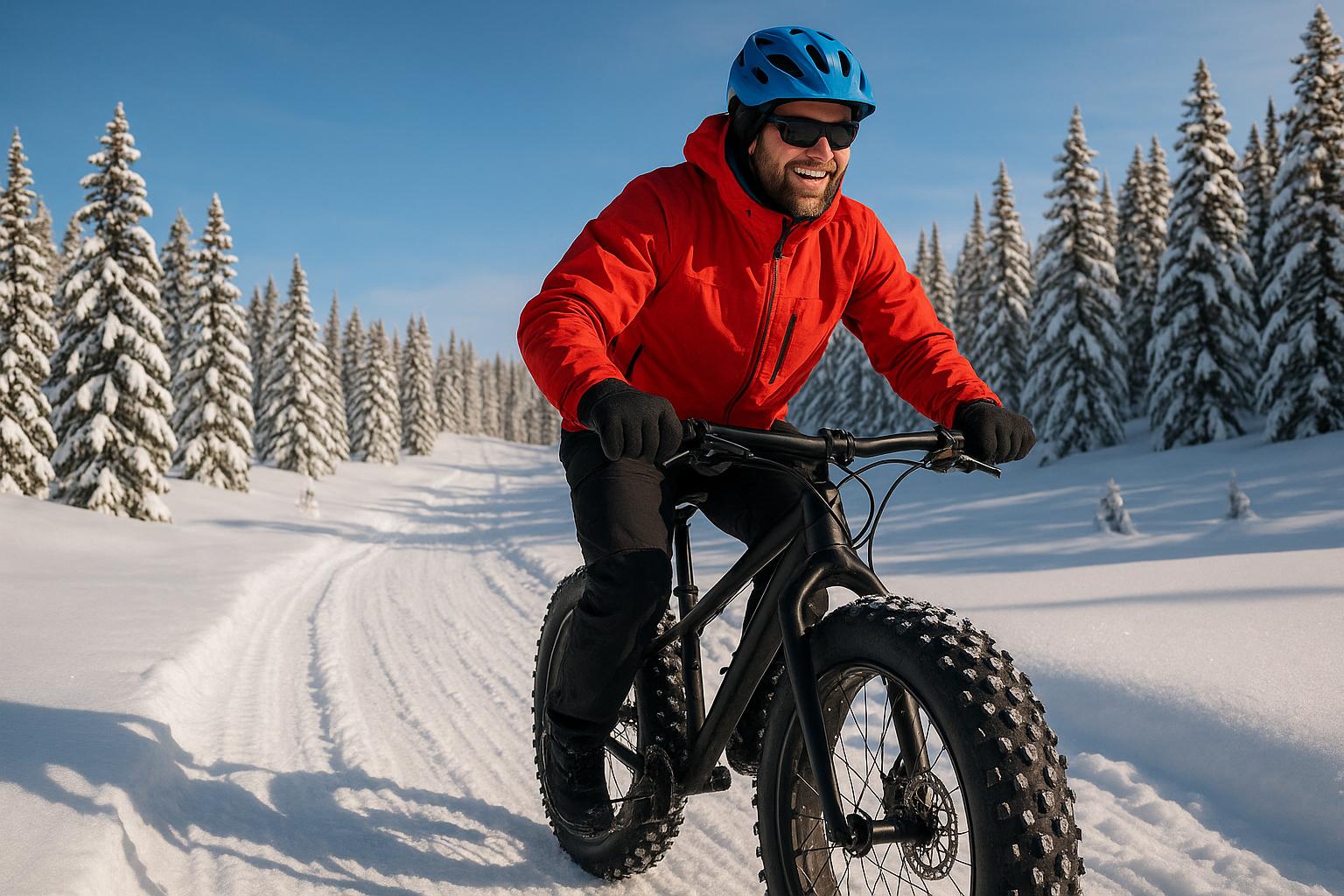
Fat bikes are specifically designed bicycles featuring oversized tires, typically ranging from 3.8 to 5 inches in width. These wider tires impart a noticeable difference in performance when it comes to traversing snowy and icy conditions. Unlike traditional bicycles that are equipped with narrower tires, fat bikes are engineered to provide greater stability and adherence. The substantial width allows the bike to “float” on top of the snow rather than sinking into it. The design emphasis here is twofold – giving the rider enhanced balance and enabling navigation of complex trails often found in snowy conditions. When coupled with low tire pressure, the bike maintains superior contact with the surface, allowing it to glide over snow-covered grounds where conventional bikes would struggle or fail.

Reasons for Popularity

Several factors contribute to the growing popularity of fat biking on snow. Firstly, it provides an inclusive year-round outdoor riding option, which is crucial for cycling enthusiasts frustrated by the seasonal interruptions caused by inclement weather. The advent of fat biking ensures that cycling can continue even during the winter months when traditional biking might be stifled due to snow or ice. Secondly, beyond recreational appeal, fat biking serves as an excellent cardiovascular workout. It engages a large group of muscles while testing endurance, comparable to other winter sports like cross-country skiing.

Additionally, there is an undeniable novelty factor that attracts both seasoned cyclists and newcomers. The allure of seeing familiar trails transformed by snow, coupled with the unspoiled beauty of winterscapes, is enticing to many. Large snowflakes dancing around while maneuvering through tranquil, snow-laden forests offers a unique sensory experience that is rare in other sports.

Equipment and Gear

Enjoying fat biking on snow does require special gear. Central to this is, of course, the fat bike itself, whose design uniquely supports the activity’s demands. Beyond the bike, wearing the right clothing becomes essential. Riders should opt for warm, moisture-wicking attire to ensure comfort and to prevent hypothermia or discomfort that can result from sweat chilling on the skin. Insulated gloves are also vital to protect hands against the bitter cold, as they bear the brunt of wind exposure while riding. Helmets, crucial for safety, should generally be insulated to offer enhanced protection against low temperatures. Additionally, some cyclists choose clipless pedals and winter-specific cycling boots, which reinforce both efficiency in pedaling and the preservation of warmth in extremities, areas which often suffer most from the cold.

Popular Fat Biking Destinations

Through North America and Europe, a range of destinations has built reputations as fat biking hotspots, making use of their picturesque winter climates. In the United States, Maine, Wisconsin, and Colorado are leading the charge—these locales offer a mix of rugged beauty and well-constructed trails tailored for fat biking. They serve as excellent venues where riders can test both their ability and their endurance against the backdrop of stunning, snow-drenched settings.

Meanwhile, Europe offers equally compelling options. Norway and Finland have positioned themselves as prime destinations for those wanting to experience Arctic conditions. Here, the appeal lies in the ability to journey across sweeping, icy landscapes while catching glimpses of breathtaking natural wonders, such as glimpses of the Northern Lights. The infrastructure supporting fat biking is growing rapidly, with trails and facilities being adapted regularly. Many ski resorts and national parks have begun converting existing trails, underscoring a strong commitment to advocate for this budding sport by making it widely accessible and sustainable.

Environmental Impact

Despite its growth and the enthusiasm surrounding fat biking, there are valid environmental considerations that trail organizations must regularly address. To ensure that this sport remains sustainable, it’s crucial that trails are monitored and properly maintained. In many regions, dedicated organizations work collaboratively to establish guidelines that minimize ecological impacts, ensuring that recreational use doesn’t overshadow conservation efforts. By creating an open dialogue between fat bikers and environmentalists, a balance can be achieved where sports and nature conservation can coexist.

Ultimately, fat biking on snow delivers an exhilarating method to explore winter landscapes while promoting physical health and wellness. Its rising popularity suggests ongoing growth, offering fresh opportunities for those in search of winter adventure. Over time, these unique bikes and the community that cherishes them may lead the conversation around not only embracing outdoor pursuits, even in the coldest months, but also about protecting and sustaining the environments that facilitate such enjoyment.

The role of coaching in winter sports success.

The role of coaching in winter sports success.

The Importance of Coaching in Winter Sports

Coaching in winter sports plays a crucial and multifaceted role in the development and achievement of athletes. Whether in skiing, snowboarding, ice hockey, or curling, coaches are vital for improving athletes’ technical skills, strategic understanding, and mental strength.

Technical Skill Development

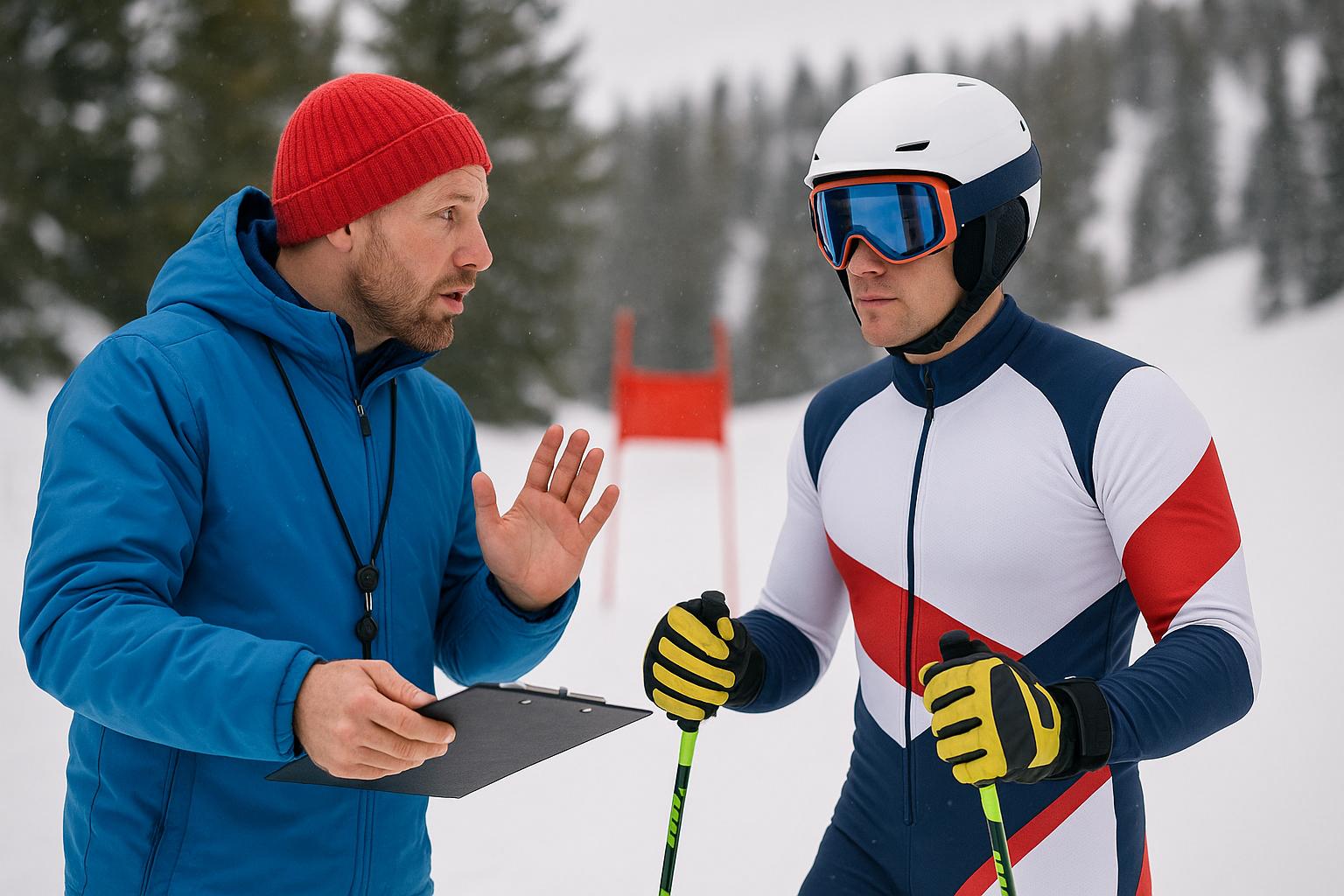
Coaches are instrumental in enhancing the technical abilities of winter sports athletes. They provide instruction on technique, ensuring athletes perform movements efficiently and safely. For instance, ski coaches guide athletes on proper body positioning and turning techniques, which are essential for navigating varied terrains. Through meticulously planned training sessions, coaches focus on refining skills that are crucial for competitive success.

In sports like snowboarding, coaches assess each athlete’s approach to jumping, sliding, and speed control. By breaking down movements into smaller components, coaches can identify areas needing improvement and help athletes adjust their techniques accordingly. This personalized approach allows athletes to continuously refine their skills and align them with competitive standards.

In ice hockey, technical skills such as skating speed, puck handling, and shooting accuracy are foundational elements. Coaches employ drills that enhance these skills while incorporating game-like scenarios to ensure athletes can apply their training in live situations. The overall goal is to prepare athletes to excel technically during competitions by providing a comprehensive and methodical training regime.

Strategic Understanding

In addition to technical prowess, a strong strategic understanding of the sport is necessary. Coaches bring their knowledge of the sport’s intricacies to the athletes. This knowledge includes understanding the competition rules, formulating strategies for different courses or opponents, and making quick decisions under pressure. For example, in ice hockey, coaches analyze opponents and devise game plans that exploit their weaknesses.

Strategic thinking in winter sports is multifaceted. In curling, for instance, coaches guide athletes on the best stone placement strategies to outscore opponents. Understanding the ice conditions and anticipating the opponent’s strategy become part of the coach’s job to instill in athletes the foresight necessary for prevailing in matches.

Moreover, effective strategy isn’t just about the events; it extends to managing the season at large. Coaches plan the competitive calendar, deciding which events are crucial for athlete development and which can be used for testing new strategies or skills. This macroscopic view ensures athletes are at their physical and strategic peaks during major competitions.

Mental Preparedness

The mental aspect of winter sports is as challenging as the physical demands. Coaches play a vital role in helping athletes build mental resilience. They provide motivation, emotional support, and mental strategies to handle the pressures of competition. This psychological coaching helps athletes maintain focus, perseverance, and confidence—qualities that are indispensable during high-stakes events.

Mental preparedness encompasses managing stress, dealing with the pressure of expectations, and maintaining composure in the face of adversity. Athlete mentality is sculpted during rigorous training sessions that simulate competitive pressures. Coaches work with athletes to build a mental toolkit that helps them navigate the unpredictable nature of outdoor sports, such as weather changes and equipment malfunctions.

Mental training often includes visualization techniques, goal-setting exercises, and cognitive-behavioral strategies. The emphasis is on creating a resilient mindset that views challenges as opportunities rather than barriers. This shift in perspective not only improves performance during competitions but also enhances overall athlete well-being.

Safety and Risk Management

Winter sports often occur in environments that present significant safety risks, such as slippery ice, snowy slopes, and cold temperatures. Coaches are responsible for educating athletes about potential hazards and injury prevention. They ensure proper equipment use and encourage adherence to safety protocols, playing a crucial role in minimizing the risk of accidents and ensuring a safe sporting environment.

Safety education provided by coaches covers everything from basic warm-up routines and stretching exercises to safeguard against muscle injury, to more sophisticated aspects like avalanche awareness and response in skiing or snowboarding. They also oversee the appropriate usage and maintenance of protective gear, ensuring that athletes are shielded from potential impacts during training and competition.

Additionally, coaches often develop contingency plans for emergencies, training athletes on how to respond to incidents and offering them the confidence to act swiftly and effectively when required. By embedding safety consciousness into the sporting culture, coaches drastically reduce the probability of injuries, allowing athletes to focus fully on their performance.

Conclusion

The role of coaching in winter sports success cannot be overstated. By enhancing technical skills, strategic comprehension, and mental robustness, and by promoting safety, coaches are integral in helping athletes reach their full potential. Their expertise and guidance are pivotal in transforming promising talent into accomplished athletes.

The path from amateur to elite athlete in winter sports is a complex journey, requiring diligent effort and expert mentorship. Coaches are not mere instructors but are central to fostering a comprehensive understanding of the sport, promoting innovation, and pushing boundaries. They guide athletes through the rigors of preparation, equipping them with not only the skills and strategies necessary for success but also the mental fortitude needed to thrive under pressure.

Incorporating modern training techniques and leveraging advancements in sports science, coaches continue to evolve alongside the athletes they mentor. This proactive adaptation ensures that athletes are prepared to face the ever-changing landscape of competitive winter sports. Consequently, the legacy of coaching remains an ever-present testament to the enduring pursuit of excellence within winter sports.

The art of ski jumping.

The art of ski jumping.

The Basics of Ski Jumping

Ski jumping is an athletic discipline that involves descending an inclined ramp on skis to achieve maximum distance and stylistic excellence. This sport is a unique blend of technical precision and courage, as athletes launch into the air at high velocities. Integral to ski jumping are the components of the inrun, takeoff, flight, and landing. These steps demand proficiency from the athlete and are crucial for determining the success of a jump.

The Evolution of Ski Jumping

The origins of ski jumping can be traced back to Norway in the early 19th century. Over the years, the sport has seen substantial evolution. Initially, the jumps were modest in scale, taking place from natural hillsides. However, with the passage of time and the advent of technology, modern competitors have achieved record-breaking jumps exceeding 250 meters. Specialized equipment has considerably advanced performance levels, making ski jumping a highly refined sport. Improvements in skis, suits, and bindings have allowed athletes to gain improved control and better aerodynamics. Each piece of equipment has been meticulously designed to optimize the athlete’s ability to soar through the air with precision and balance.

Equipment Used in Ski Jumping

The apparatus in ski jumping is of paramount importance to an athlete’s success. Ski jumpers utilize skis that can measure up to 2.4 meters in length, which provides them with the necessary stability during their aerial phase. The bindings attach solely at the toes, facilitating heel elevation—a critical factor in maintaining equilibrium during flight. Moreover, the ski jumping suits are crafted to be aerodynamically efficient, assisting athletes in minimizing air drag as they soar through the sky.

Ski Jumping Techniques

Technique is vital to the triumph in ski jumping, with the jump segregated into four distinct phases, each necessitating precise execution:

1. Inrun: The initiation of the jump begins on the inrun, where athletes assume a tucked, aerodynamic position. This posture is pivotal for minimizing air resistance, thereby enhancing speed as they glide down the ramp.

2. Takeoff: As jumpers reach the end of the ramp, they execute a rapid leg extension, a movement critical for achieving the ideal lift-off angle. This phase is about timing and control, as the goal is to maximize both height and distance at the point of launch.

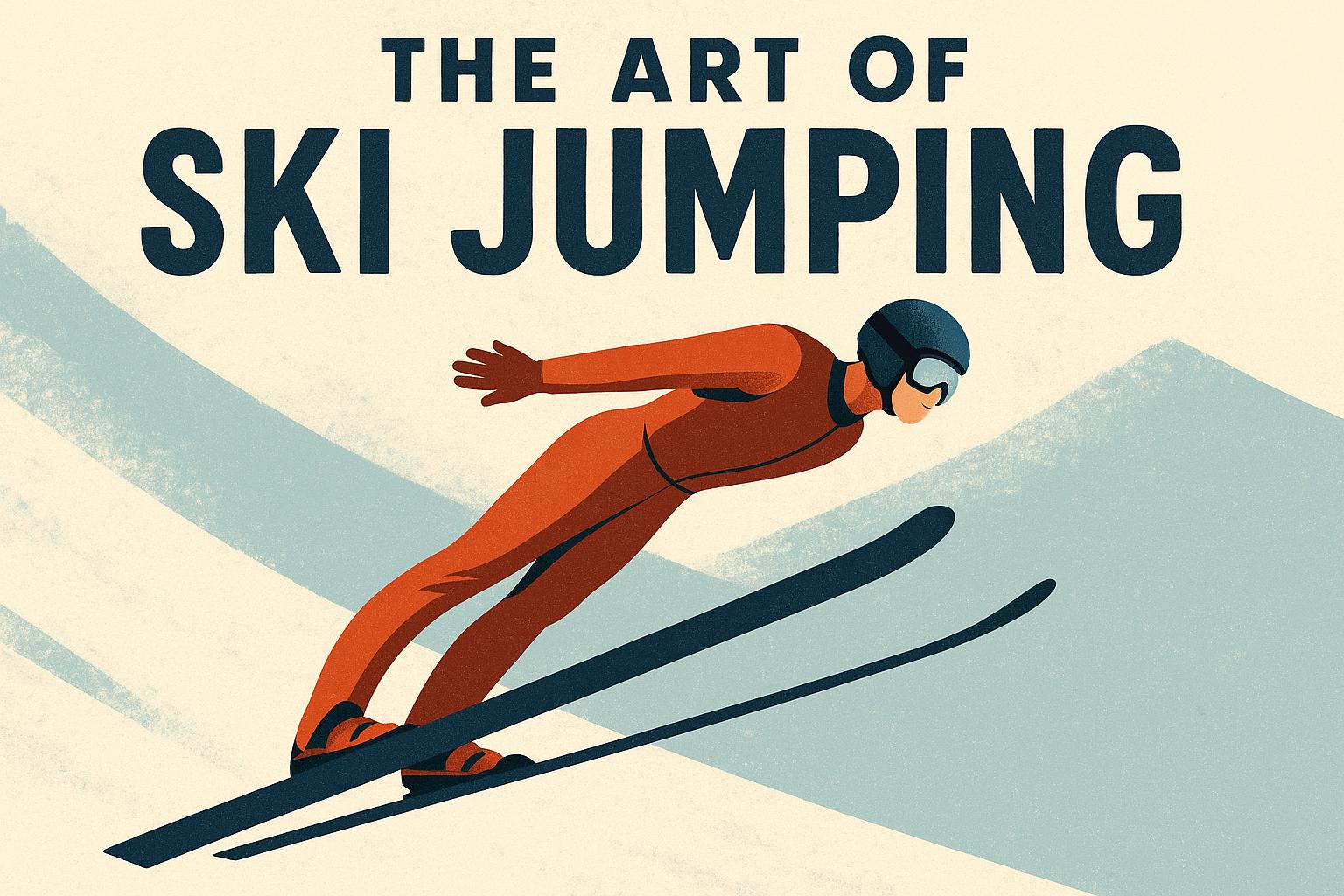
3. Flight: Once airborne, jumpers enter the flight phase, where they manipulate their body into a V-shape to augment lift and stability. This shape is instrumental in maintaining control, as external factors such as wind conditions can significantly alter trajectory and performance.

4. Landing: The jump culminates in the landing, often marked by the telemark style—a technique where the skier’s feet are slightly staggered to enhance balance. Precision in executing this movement is essential, as judges assess both the distance and the aesthetic quality, which reflects in the scoring.

Judging Criteria and Competition

Competitions in ski jumping are meticulously scored based on two main criteria: distance and style. While the distance is the foremost measure of an athlete’s ability, the judges also evaluate the style inherent in the jump. This includes the technique of takeoff, the flight position maintained, and the nature of the landing. As such, ski jumping is not merely a test of distance but also a showcase of grace and skill.

Ski jumping events are hosted at specialized facilities designed exclusively for the sport. There are numerous competition formats, from individual challenges to team-based events, each offering a unique platform for athletes to demonstrate their prowess. Those interested in following current competitions or seeking more information on ski jumping events have various options. Many turn to specialized sports broadcasting networks or visit official ski federation websites for comprehensive coverage and detailed insights into this exciting sport.

How to build core strength for skiing and snowboarding.

How to build core strength for skiing and snowboarding.

Understanding the Importance of Core Strength in Skiing and Snowboarding

The exhilarating sports of skiing and snowboarding require more than just a love for the mountains. To successfully maneuver through the snowy terrains, one must possess robust core strength. Your core, comprising the muscles in your abdomen, hips, and lower back, plays a crucial role in maintaining balance, stability, and proper posture while skiing and snowboarding.

The Role of Core Strength

When engaging in these sports, your core acts as a stabilizer. It aids in transferring power from your legs to your upper body and vice versa, ensuring fluid movements. Strong core muscles help in reducing the risk of injuries, as they provide better control and support during rapid turns and abrupt stops.

Skiing and snowboarding are not just about the thrill of racing down a mountain or performing intricate tricks in the air. They demand intricate bodily coordination that can only be achieved with a well-conditioned core. The core’s role extends beyond simple stabilization; it serves as a central point from which energy is efficiently distributed throughout the body. This dynamic distribution of energy is crucial for executing precise movements and maintaining momentum across varied terrains.

Preventing Injuries Through Core Strength

A key benefit of developing core strength is injury prevention. The activities of skiing and snowboarding inherently carry risk due to high speeds and the potential for falls. Having a strong core can mitigate these risks significantly. The ability of the core muscles to absorb shock and redistribute it through the body helps reduce the strain on joints and ligaments, particularly those in the knees and ankles. Moreover, when the body is stable and controlled, the risk of overextension and awkward landings decreases.

Preparing Your Core for Winter Sports

To prepare your body for skiing and snowboarding, it is essential to focus on core-strengthening exercises. These exercises will enhance your overall performance and enable you to tackle challenging slopes with greater confidence.

The preparation phase for these sports should begin well before the first snowfall. Building core strength is not something that happens overnight, and therefore, committing to a pre-season training program is crucial. A well-thought-out plan will target not only the core but the overall fitness level, which includes cardiovascular stamina and muscular strength, providing a solid foundation for all physical activities on the slopes.

Effective Core Strengthening Exercises

Without relying solely on lists, let’s delve into some effective exercises that are particularly good at building the core strength necessary for winter sports.

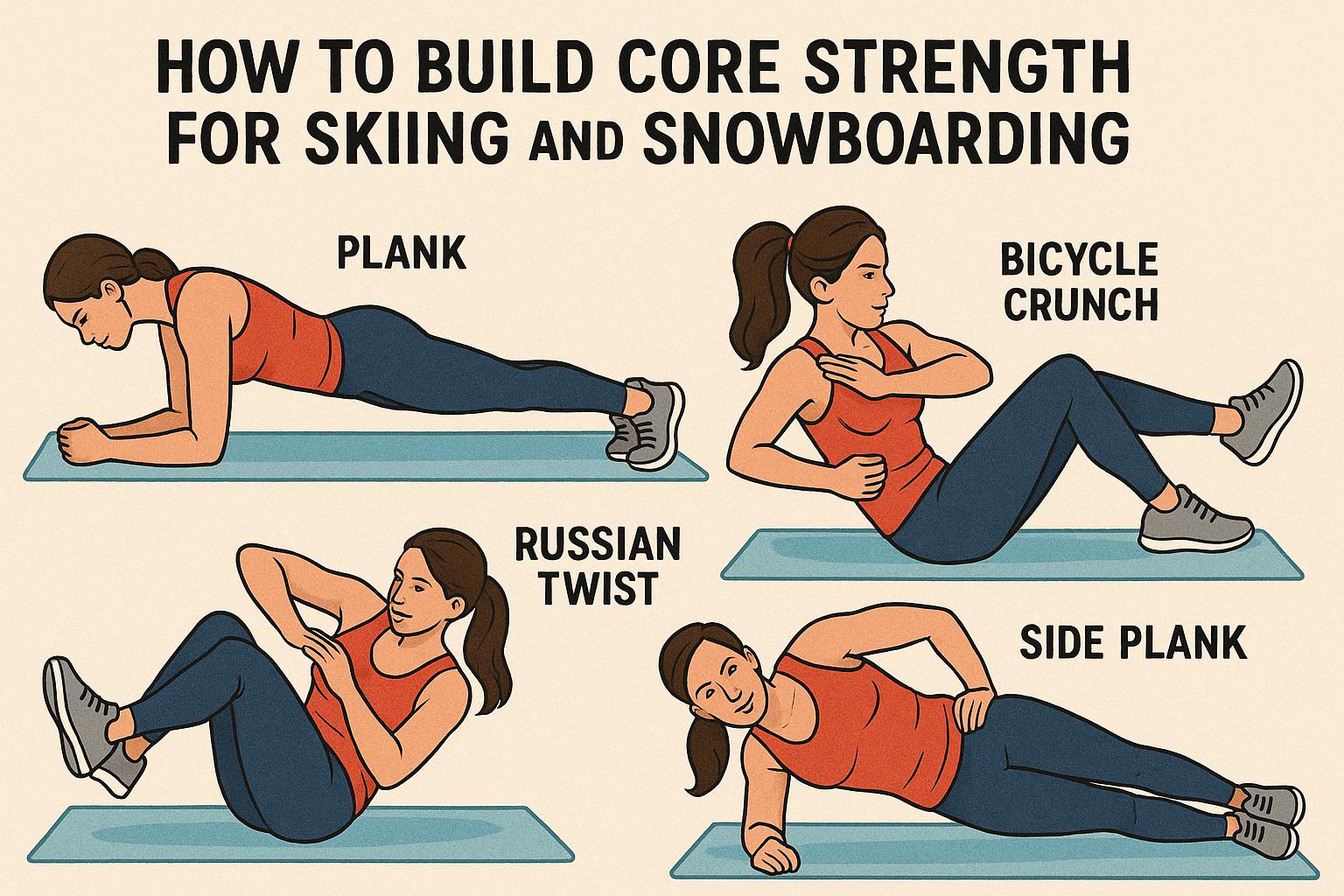
Planks serve as one of the most effective methods for strengthening your core. By maintaining a single position, your muscles are engaged in a sustained effort, promoting endurance and stability. Progressing to side planks allows you to focus on the oblique muscles, crucial for the rotational movements in skiing and snowboarding.

Russian Twists provide an excellent way to enhance rotational strength, which is vital when maneuvering across uneven terrains or making sharp turns. This exercise emphasizes the oblique muscles, delivering rotational power and endurance necessary for maintaining agility.

Dead Bugs offer a unique way to target both the abdominal muscles and the hip flexors, creating a challenging war between maintaining stability and controlling limb movement. Engaging your core during this exercise forms a base of support that is critical when adjusting your body mid-air or during a descent.

Bicycle Crunches maximize core engagement by incorporating movement that mimics the pedaling action of a bicycle. Not only has this proved effective in toning the abdominal muscles, but it also bolsters the coordination required for executing complex maneuvers seamlessly.

While these activity-specific exercises are indispensable, maintaining flexibility is equally important. Regular core stretches ensure that muscles are pliable, providing a full range of motion necessary for the swift and often unpredictable movements encountered on the slopes.

Integrating Core Workouts into Your Routine

Integrating these exercises into your regular fitness routine can elevate your winter sport experiences significantly. A core training regimen practiced at least thrice a week can yield noticeable improvements in balance, stability, and strength. It’s also beneficial to incorporate these core routines with cardiovascular and full-body strength training exercises. Such a holistic approach not only maximizes physical fitness but also prepares the mind by fostering discipline and body awareness.

Adapting to varied exercises and training schedules can additionally prevent muscular fatigue and promote all-around athleticism, which is indispensable for enjoying the full spectrum of skiing and snowboarding activities.

In conclusion, prioritizing core strength is a key component in preparing for skiing and snowboarding. By incorporating core-strengthening exercises into your regimen, you’ll enhance your balance, stability, and control, leading to a safer and more enjoyable experience on the slopes. Engaging in these physical preparations not only prepares the body to handle the physical demands of these winter sports but also enhances mental readiness, allowing you to connect with the mountain in an exhilarating, yet controlled manner.

The best winter sports for families.

The best winter sports for families.

Introduction to Winter Sports for Families

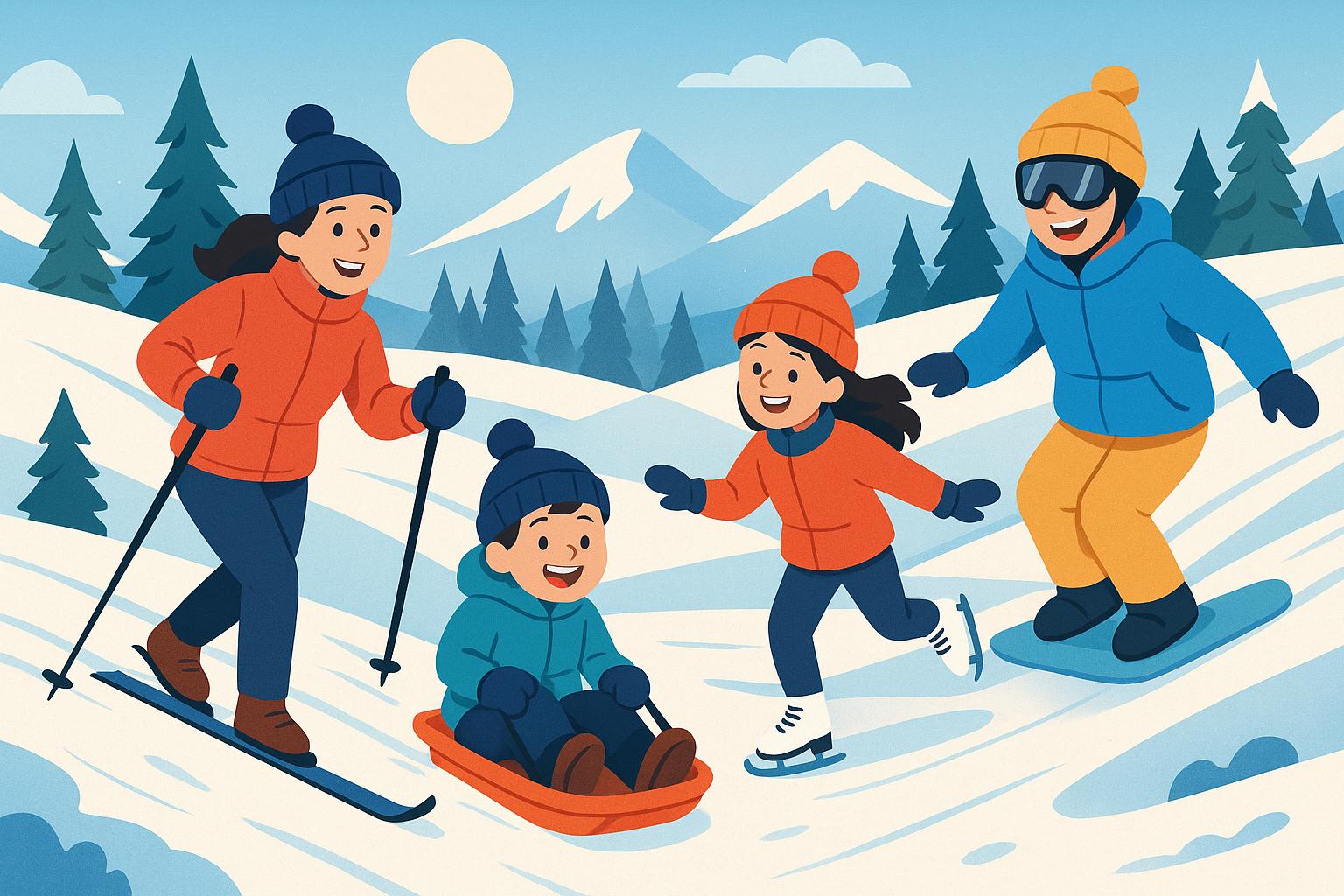
With the arrival of winter, families are presented with an exciting opportunity to delve into a variety of winter sports that offer both enjoyment and health benefits. As the colder months set in, engaging in these activities not only adds an element of fun to the season but also promotes physical fitness and a healthy lifestyle. Here, we take a closer look at some winter sports that are especially well-suited for families.

Skiing

Skiing stands out as one of the most popular and beloved winter sports, appealing to all age groups. The thrill of gliding down snow-covered slopes is an experience that families can share, fostering a sense of togetherness. Numerous ski resorts provide family-friendly environments, with dedicated slopes and tailored lessons for beginners, ensuring everyone has a safe and enjoyable experience. Safety equipment, including helmets, is a crucial aspect of skiing, offering protection and peace of mind. As families plan their skiing adventures, awareness of suitable destinations enhances the overall experience.

Snowboarding

Snowboarding, much like skiing, can offer an exhilarating winter adventure for families, provided the proper guidance is in place. Many resorts now recognize the family appeal of snowboarding and offer specialized programs tailored for children and novices. Adhering to safety guidelines is of paramount importance; equipment like wrist guards is recommended to prevent injuries. Starting out in snowboarding requires patience and practice, and seeking out beginner-friendly tips can make the learning process smoother.

Ice Skating

Ice skating is a widely accessible sport, easily enjoyed by families at ice rinks which are commonly found in towns and cities. This activity not only offers fun family time but also serves as an excellent workout, aiding in the improvement of balance and coordination. To prevent discomfort or potential injuries, it is vital to ensure that rental skates are a good fit. Whether stepping onto the ice for the first time or refining skating skills, families can enjoy numerous rinks that cater to all levels of expertise.

Sledding

As a classic winter pastime, sledding requires minimal investment in equipment—often just a sled and a nearby snowy hill. This activity is easily accessible and low-cost, making it ideal for families seeking simple winter fun. Despite its simplicity, parental supervision is advised to keep young children safe as they race down hills. Embracing the spirit of adventure, sledding allows families to enjoy laughter-filled moments together.

Snowshoeing

For families eager to explore the stark beauty of winter landscapes, snowshoeing presents a fantastic option. Not only does this activity provide a superb cardiovascular workout, it also encourages an appreciation for the serene winter environment. Requiring only the ability to walk, this sport is suitable for families with children who are comfortable navigating trails. Many parks and ski resorts offer marked paths for snowshoeing, opening up a world of exploration for families eager to engage with nature.

Cross-Country Skiing

Cross-country skiing is ideal for families in search of both aerobic exercise and a peaceful encounter with nature. It serves as an excellent way for family members to bond while traversing snowy terrains at their own pace. With trails catering to different skill levels, this sport is accommodating to beginners and more experienced skiers alike. Many cross-country centers provide rental equipment, making it convenient for families to embark on their skiing journey.

Considerations for Families

Participating in winter sports necessitates careful consideration of several factors to ensure a safe and enjoyable experience. Weather conditions play a crucial role in determining the suitability of activities on any given day, influencing not just safety, but the overall enjoyment as well. Appropriate clothing is key, with layered garments allowing families to adjust to fluctuating temperatures. Protecting against the sun with sunscreen, despite the chilly weather, is important to safeguard the skin. Hydration, too, is vital as physical exertion in cold climates can be deceivingly taxing.

Furthermore, selecting locations with readily available amenities and trained staff can significantly enhance the family experience. Resorts and venues that provide resources such as instructors, rental equipment, and safety protocols can ease the transition into winter sports for families new to these activities.

Ultimately, winter sports offer a memorable way for families to bond and remain active during the colder months. Exploring a range of activities enables families to find specific sports that align with their interests and abilities, cultivating cherished memories that can be shared long after the snow melts. Embracing the diverse opportunities available, families can look forward to a winter enriched with both recreation and the joy of shared experiences.

How to avoid common injuries in winter activities.

How to avoid common injuries in winter activities.

Understanding Common Winter Activity Injuries

Engaging in winter activities such as skiing, snowboarding, and ice skating can be exhilarating but also poses certain risks. Understanding the most common injuries associated with these activities can help individuals take appropriate preventive measures. Injuries often occur due to slippery surfaces, poor visibility, and low temperatures, which can affect judgment and reaction times.

Common Injuries During Winter Activities

Winter sports enthusiasts are susceptible to injuries ranging from sprains and strains to more serious conditions such as fractures and concussions. The most frequently injured body parts include the knees, wrists, and shoulders. Knowing this allows participants to focus on specific preventive strategies.

Proper Gear and Equipment

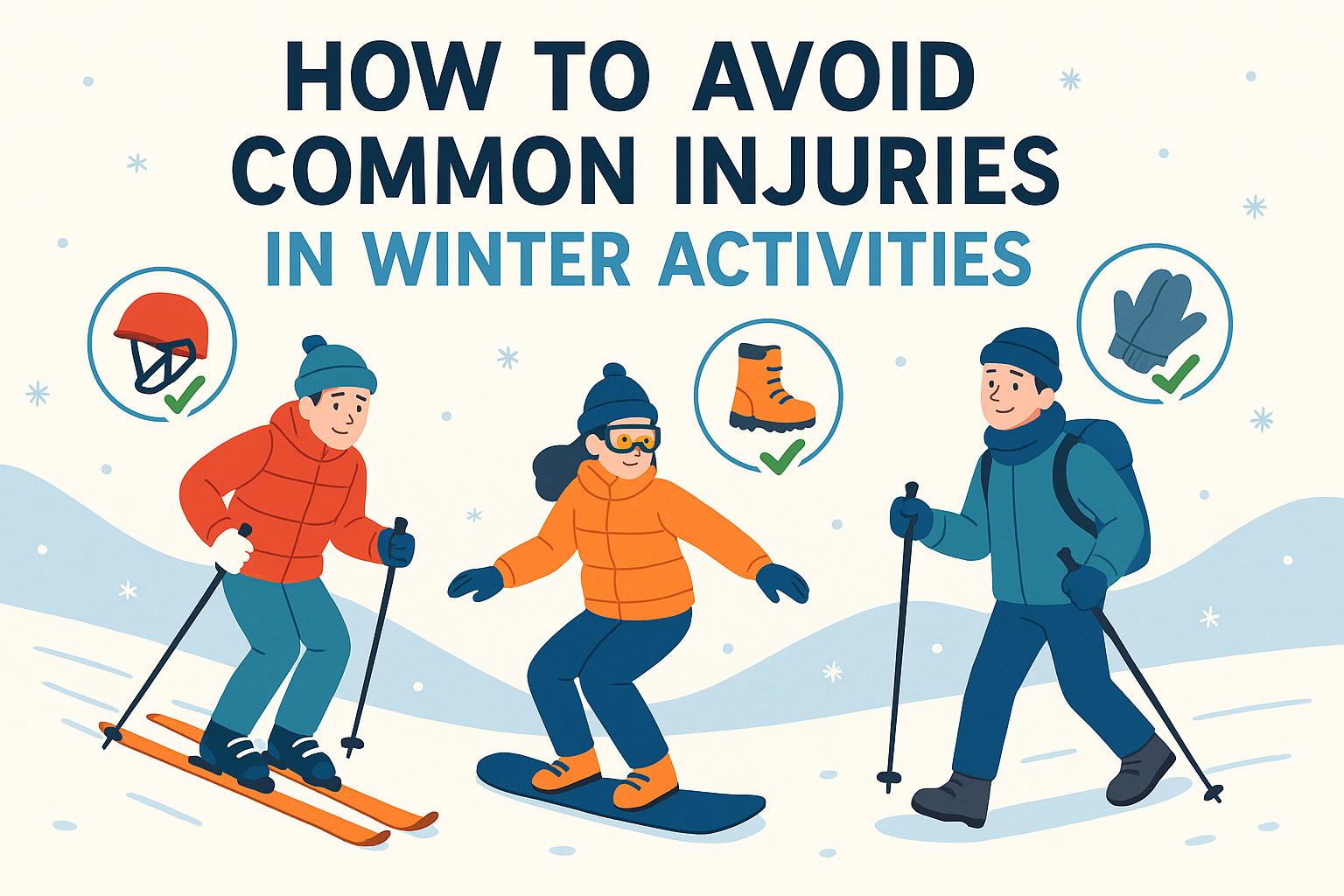
Wearing appropriate gear is crucial in mitigating injuries. Helmets, protective padding, and suitable footwear can significantly reduce the risk of serious damage. It is important to check and maintain equipment, ensuring it is in good condition before engaging in any activity. For more information on selecting the right gear, visit this winter gear guide.

Warming Up and Conditioning

Performing a thorough warm-up before any physical activity prepares the body for the demands of winter sports. Incorporate dynamic stretches to increase muscle flexibility and blood circulation. Conditioning exercises aimed at strengthening the core, legs, and arms can support the body in maintaining balance and endurance.

Environmental Awareness and Precaution

Being aware of environmental factors plays an essential role in preventing injuries. Monitor weather conditions and participate in activities suited to your skill level. Avoid hazardous areas with low visibility or those prone to avalanches and ice patches. Staying informed about potential dangers is key to a safe experience.

Technique and Form

Adhering to proper technique can greatly reduce the risk of injury. Consider taking lessons from certified instructors to hone your skills and learn the correct forms. This not only enhances performance but also teaches you how to fall safely or avoid falls altogether.

Maintaining Hydration and Nutrition

Staying hydrated is important even in cold conditions, as dehydration can affect concentration and physical endurance. Consume a balanced diet rich in carbohydrates, proteins, and healthy fats to fuel the body adequately for winter sports.

Importance of Understanding and Preventing Injuries

Proper awareness of potential injuries is crucial for anyone undertaking winter sports. This recognition sets the foundation for responsible behavior while participating in these exhilarating activities. Skiing, snowboarding, and ice skating may offer a thrilling release from the wintery grip of the season, but being properly informed on how to mitigate risks plays a critical role in maintaining both personal safety and the safety of others.

Overcoming Challenges with Preparation

Preparation is a central component in ensuring safety during winter sports. Thorough preparation involves not only physical readiness but acquiring comprehensive knowledge of the potential risks associated with specific activities. This aspect of readiness can prevent unexpected incidents or mishaps that might lead to injury.

Focusing on Specific Weaknesses

By identifying and focusing on particular body parts prone to injury—such as knees, wrists, and shoulders—individuals can implement strategies targeting these areas specifically. Such strategic targeting prevents sprains, strains, and more severe conditions. Appropriate preventative exercises such as strengthening and stability routines can augment flexibility and resilience, providing an additional safety buffer.

The Role of Professional Instruction

While personal effort is vital in preventing winter sports injuries, professional guidance provides invaluable assistance. Certified instructors offer expertise and experience in teaching both basic and advanced techniques that are instrumental in reducing the risk of harm. Engaging in lessons also shares best practices in terms of equipment use, ensuring participants benefit from both protection and performance optimization.

Utilizing Technology for Safety

Technological advancements present unique opportunities in enhancing safety during winter sports. Devices such as GPS tracking, advanced weather monitoring tools, and smart wearables offer added protection. These technologies serve as an extra layer of safety, equipping enthusiasts with real-time information and feedback necessary for making informed decisions and taking immediate precautionary actions.

A Holistic Approach to Safe Winter Activities

The emphasis on safety extends beyond merely preventing immediate injuries. A holistic approach considers the broader implications of physical activity during winter, incorporating factors such as mental well-being and environmental sustainability. Pursuing winter sports responsibly involves ensuring that activities are ecologically sound and considerate of the natural surroundings.

Maintaining Mental Readiness

The psychological aspect is an often-overlooked component, yet it holds equal importance to physical readiness in preventing injuries. Mental preparation includes staying calm under adverse conditions and possessing the ability to make rational decisions even in situations of heightened urgency or stress. Cognitive preparedness enhances human capacity to respond appropriately when faced with unexpected challenges.

Environmental Stewardship and Responsibility

Participating in winter activities demands respect for nature and commitment toward stewardship. This is achieved by adhering to established guidelines for environmental preservation and minimizing one’s ecological footprint. Practices such as sticking to marked trails, respecting wildlife areas, and disposing of waste responsibly contribute positively towards maintaining the environment for future generations.

Incorporating Feedback for Continuous Improvement

Learning from both personal experiences and those of others allows sports enthusiasts to continuously refine their safety strategies. Feedback mechanisms—from self-assessment and peer reviews to professional coaching and feedback—provide a cycle of continuous improvement vital for personal growth and safety optimization.

Conclusion

Preventing injuries during winter activities involves careful preparation and mindfulness. By investing in the right gear, conditioning the body, and staying informed about environmental factors, individuals can enjoy winter sports safely. Always prioritize safety and seek professional guidance when necessary to ensure an enjoyable experience. For further safety tips, see this comprehensive safety guide.