Introduction
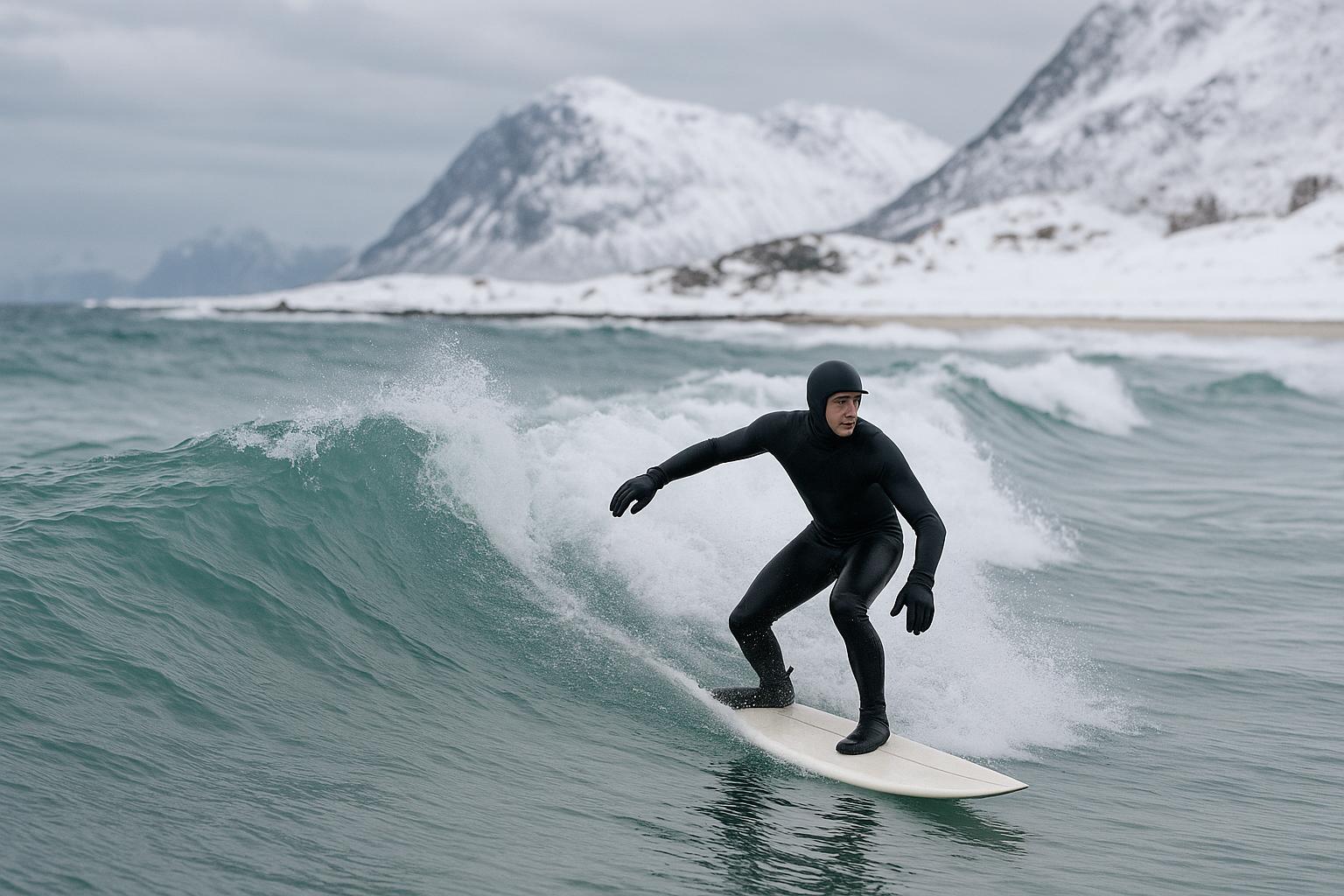
Winter surfing, once a niche activity, has seen a steady increase in popularity in recent years, particularly in cold climates. This surge can be attributed to a combination of technological advancements in gear, an increase in adventurous travel narratives, and the allure of less crowded waves. As this trend gains traction, it opens new terrains and stimulates growth in various facets of surfing culture and industry.
Technological Advancements
The development of high-quality wetsuits has been a game-changer for surfers in cold climates. Modern wetsuits are crafted with advanced neoprene materials, offering superior thermal insulation. These suits, along with accessories such as booties, gloves, and hoods, allow surfers to endure low water temperatures. The design of these suits has evolved to maximize flexibility while ensuring warmth, providing surfers with the much-needed agility to maneuver through icy waters. These innovative materials have significantly improved endurance and safety for surfers, allowing them to venture into colder and more challenging waters without the risk of hypothermia or extreme fatigue.
A major breakthrough in wetsuit technology is the incorporation of quick-drying materials. Traditional wetsuits would retain water, making them heavy and uncomfortable. The newer designs feature rapid-dry linings, which not only add a layer of insulation but also ensure that the suit dries quickly, reducing the weight and allowing for longer and more comfortable sessions. Moreover, the addition of sealed seams and water-tight zippers further enhances the protection offered by these suits, preventing cold water from seeping in during paddling or diving under waves.
For more on technological advancements in wetsuit design, visit the [Surfing Magazine website](https://www.surfingmagazine.com/).
Appeal of Less Crowded Waves
Many surfers are drawn to winter surfing due to the promise of less crowded waters. Popular surf spots in tropical locations can often be overwhelmed with surfers during peak seasons. In contrast, cold climate beaches frequently offer the chance for more solitary rides, promoting a unique and personal surfing experience. This solitude can amplify the meditative and introspective aspects of surfing, allowing surfers to connect with the ocean on a deeper level without the distractions of crowded line-ups.
The tranquil ambiance of winter surfing also provides a prime opportunity for surfers to hone their skills without the pressure of competition or judgment. The scarcity of other surfers means there is less competition for waves, allowing surfers to experiment and improve. Additionally, the challenges posed by cold conditions and unique wave patterns of winter seas can cultivate a more versatile and adaptive surfing style, further enriching the surfer’s skill set.
Cultural Influence
Social media and surf-related travel documentaries have played a significant role in popularizing winter surfing. Channels focusing on extreme sports often highlight surfers taking on cold, storm-driven waves, portraying a sense of adventure and resilience. This cultural exposure has inspired countless surfers to explore the challenges of cold-water surfing. The portrayal of winter surfing across these platforms often emphasizes not only the technical skills required but also the spirit of exploration and endurance. As viewers witness skilled surfers navigate the raw beauty and power of winter waves, a sense of awe and curiosity is sparked, encouraging them to seek similar experiences.
Moreover, the narratives around winter surfing frequently highlight elements of environmental consciousness and a respect for nature’s unpredictable elements. Success stories and personal accounts emphasize sustainable practices, encouraging aspiring winter surfers to embrace ecologically mindful habits both in and out of the water. This cultural dialogue around winter surfing merges the thrill of adventure with environmental stewardship, promoting a holistic appreciation for the sport and its natural setting.
Global Spots for Winter Surfing
Several regions have gained recognition for their winter waves. These include the frigid waters of Scandinavia, the Atlantic coastlines of Canada, and the rugged beaches of Scotland and Ireland. These locations offer unique surfing experiences, often set against stark, dramatic landscapes. Each of these spots presents a distinctive set of surfing conditions, driven by specific weather patterns and geographical features, creating varied wave forms and challenges for surfers to engage with.
For instance, the Scandinavian coastlines present dark, rolling swells amidst snow-clad beaches, providing a stark contrast that is as visually stunning as it is physically demanding. In Canada, surfers often find heavier, more powerful waves requiring precision and strength to navigate successfully. Meanwhile, the coasts of Scotland and Ireland frequently produce long, glassy breaks encapsulated by rugged cliffs and expansive, open-skied backgrounds—a scene as compelling as it is challenging. These global hot spots not only deliver unique surfing experiences but also contribute non-traditional surfing culture narratives, enriching the global tapestry of surfing culture and adventure.
Environmental Considerations
While winter surfing presents an exciting opportunity, it also raises environmental considerations. Surfers must be mindful of the impact of travel and equipment production on the environment. Supporting eco-friendly brands and participating in local beach clean-up initiatives can help mitigate this impact. The production of neoprene and other synthetic materials used in wetsuit manufacturing raises environmental concerns, as these processes are often energy-intensive and involve harmful chemicals.
Therefore, choosing brands committed to sustainability can make a difference. Many companies are now focusing on developing wetsuits made from natural rubber, providing an eco-friendly alternative to traditional materials. Additionally, maintaining and repairing gear rather than disposing of it as soon as wear is apparent can further reduce environmental impact. Surfers are also encouraged to surf locally where possible, reducing the carbon footprint associated with travel to distant surfing destinations.
Supporting sustainable practices H2, C1, W1, SSN: XXX-XX-XXXXflorescent green classroom throughout the surfing community can significantly reduce the sport’s environmental footprint, preserving the very ecosystems and marine environments that provide the stunning backdrops and exhilarating conditions winter surfers seek.
For more information on sustainable surfing practices, check the [Inertia resource](https://www.theinertia.com/).
In conclusion, the rise of winter surfing in cold climates reflects both an evolution in surfing technology and a growing appetite for adventure among the surfing community. As more surfers are drawn to these icy swells, the sport continues to grow and adapt, blending the thrill of the ride with the majesty of rugged, winter coastlines. This evolving trend not only enhances the richness of global surfing narratives but also positions winter surfing as a compelling fusion of personal triumph, cultural curiosity, and environmental respect, propelling the sport into the future with innovation and consideration.