The Importance of Coaching in Winter Sports
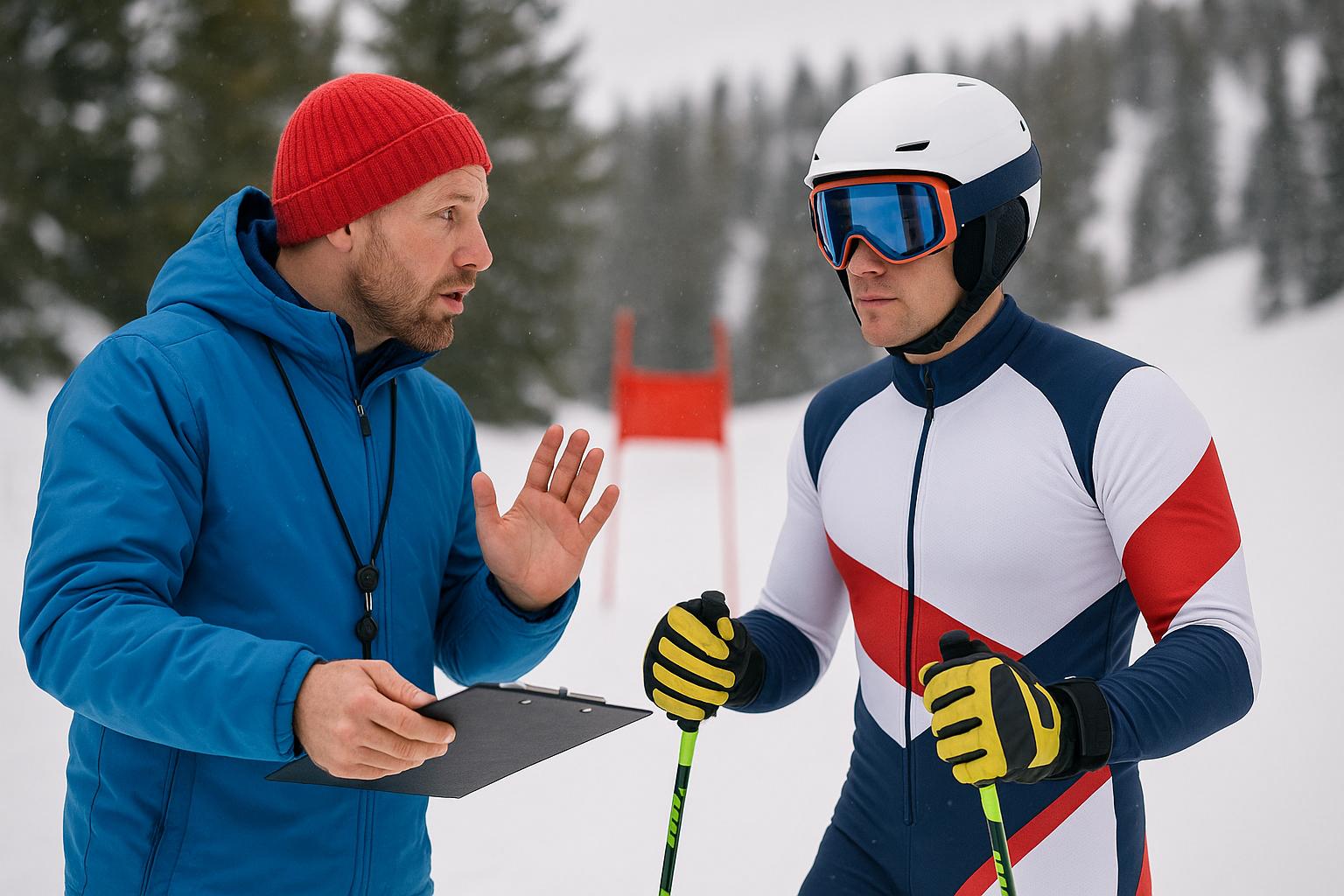
Coaching in winter sports plays a crucial and multifaceted role in the development and achievement of athletes. Whether in skiing, snowboarding, ice hockey, or curling, coaches are vital for improving athletes’ technical skills, strategic understanding, and mental strength.
Technical Skill Development
Coaches are instrumental in enhancing the technical abilities of winter sports athletes. They provide instruction on technique, ensuring athletes perform movements efficiently and safely. For instance, ski coaches guide athletes on proper body positioning and turning techniques, which are essential for navigating varied terrains. Through meticulously planned training sessions, coaches focus on refining skills that are crucial for competitive success.
In sports like snowboarding, coaches assess each athlete’s approach to jumping, sliding, and speed control. By breaking down movements into smaller components, coaches can identify areas needing improvement and help athletes adjust their techniques accordingly. This personalized approach allows athletes to continuously refine their skills and align them with competitive standards.
In ice hockey, technical skills such as skating speed, puck handling, and shooting accuracy are foundational elements. Coaches employ drills that enhance these skills while incorporating game-like scenarios to ensure athletes can apply their training in live situations. The overall goal is to prepare athletes to excel technically during competitions by providing a comprehensive and methodical training regime.
Strategic Understanding
In addition to technical prowess, a strong strategic understanding of the sport is necessary. Coaches bring their knowledge of the sport’s intricacies to the athletes. This knowledge includes understanding the competition rules, formulating strategies for different courses or opponents, and making quick decisions under pressure. For example, in ice hockey, coaches analyze opponents and devise game plans that exploit their weaknesses.
Strategic thinking in winter sports is multifaceted. In curling, for instance, coaches guide athletes on the best stone placement strategies to outscore opponents. Understanding the ice conditions and anticipating the opponent’s strategy become part of the coach’s job to instill in athletes the foresight necessary for prevailing in matches.
Moreover, effective strategy isn’t just about the events; it extends to managing the season at large. Coaches plan the competitive calendar, deciding which events are crucial for athlete development and which can be used for testing new strategies or skills. This macroscopic view ensures athletes are at their physical and strategic peaks during major competitions.
Mental Preparedness
The mental aspect of winter sports is as challenging as the physical demands. Coaches play a vital role in helping athletes build mental resilience. They provide motivation, emotional support, and mental strategies to handle the pressures of competition. This psychological coaching helps athletes maintain focus, perseverance, and confidence—qualities that are indispensable during high-stakes events.
Mental preparedness encompasses managing stress, dealing with the pressure of expectations, and maintaining composure in the face of adversity. Athlete mentality is sculpted during rigorous training sessions that simulate competitive pressures. Coaches work with athletes to build a mental toolkit that helps them navigate the unpredictable nature of outdoor sports, such as weather changes and equipment malfunctions.
Mental training often includes visualization techniques, goal-setting exercises, and cognitive-behavioral strategies. The emphasis is on creating a resilient mindset that views challenges as opportunities rather than barriers. This shift in perspective not only improves performance during competitions but also enhances overall athlete well-being.
Safety and Risk Management
Winter sports often occur in environments that present significant safety risks, such as slippery ice, snowy slopes, and cold temperatures. Coaches are responsible for educating athletes about potential hazards and injury prevention. They ensure proper equipment use and encourage adherence to safety protocols, playing a crucial role in minimizing the risk of accidents and ensuring a safe sporting environment.
Safety education provided by coaches covers everything from basic warm-up routines and stretching exercises to safeguard against muscle injury, to more sophisticated aspects like avalanche awareness and response in skiing or snowboarding. They also oversee the appropriate usage and maintenance of protective gear, ensuring that athletes are shielded from potential impacts during training and competition.
Additionally, coaches often develop contingency plans for emergencies, training athletes on how to respond to incidents and offering them the confidence to act swiftly and effectively when required. By embedding safety consciousness into the sporting culture, coaches drastically reduce the probability of injuries, allowing athletes to focus fully on their performance.
Conclusion
The role of coaching in winter sports success cannot be overstated. By enhancing technical skills, strategic comprehension, and mental robustness, and by promoting safety, coaches are integral in helping athletes reach their full potential. Their expertise and guidance are pivotal in transforming promising talent into accomplished athletes.
The path from amateur to elite athlete in winter sports is a complex journey, requiring diligent effort and expert mentorship. Coaches are not mere instructors but are central to fostering a comprehensive understanding of the sport, promoting innovation, and pushing boundaries. They guide athletes through the rigors of preparation, equipping them with not only the skills and strategies necessary for success but also the mental fortitude needed to thrive under pressure.
Incorporating modern training techniques and leveraging advancements in sports science, coaches continue to evolve alongside the athletes they mentor. This proactive adaptation ensures that athletes are prepared to face the ever-changing landscape of competitive winter sports. Consequently, the legacy of coaching remains an ever-present testament to the enduring pursuit of excellence within winter sports.