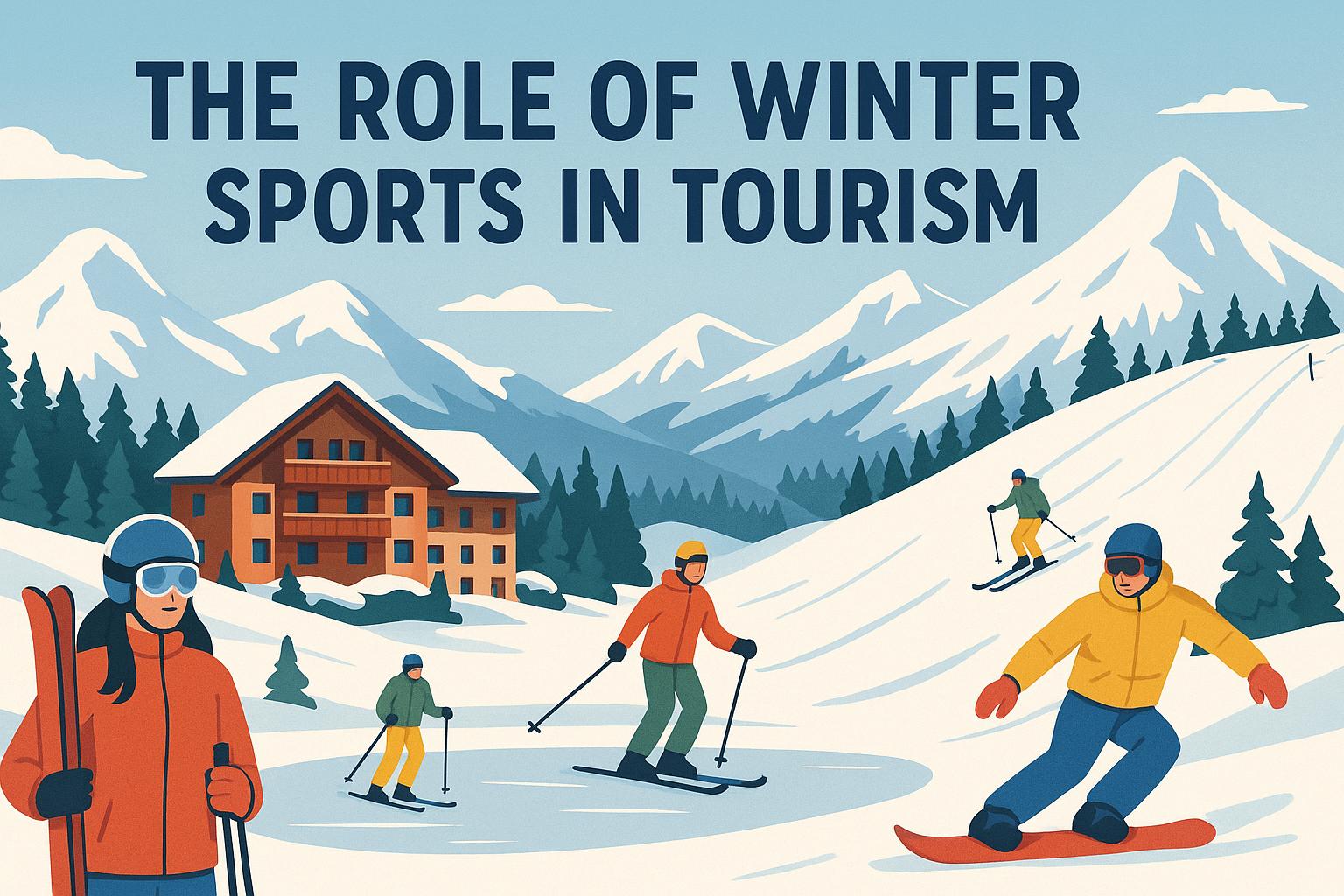
Winter Sports as a Catalyst for Tourism
Winter sports hold a prominent position in the realm of tourism, drawing countless enthusiasts to snow-laden destinations each year. These activities not only bolster economic growth in numerous countries, but they also foster cultural interaction and development in less accessible regions.
The Economic Impact of Winter Sports
Winter sports tourism contributes significantly to economies, particularly in countries well-equipped with snowy terrains and icy expanses. During the winter months, these locations witness an increase in tourist numbers, boosting local businesses across various sectors. Hospitality industries see remarkable activity, from hotels and guesthouses to restaurants and cafes, all experiencing increased patronage. Moreover, ski resorts transform into thriving centers that not only provide leisure activities but also create diverse employment opportunities for local populations.
Additionally, the ancillary services supporting winter sports play a crucial role. Equipment rentals and ski schools emerge as essential services, generating significant revenue and driving the local economy. The indirect benefits of winter sports tourism are also noteworthy, as visitors engage in local culture through culinary experiences, indulge in spa treatments, or participate in cultural excursions, further fueling economic growth.
Cultural Exchange and Development
Winter sports tourism acts as a conduit for cultural exchange. Visitors from around the globe arriving to partake in these activities inevitably bring with them a spectrum of traditions and customs. This influx enriches the cultural tapestry of host communities, fostering a multicultural environment.
Locals often seem to embrace this diversity, adapting their services and infrastructure to meet the varied expectations of international tourists. Consequently, improvements in infrastructure, such as enhanced road networks and modernized airports, occur. These enhancements not only benefit tourists but significantly improve the quality of life for residents in these areas. Thus, winter sports tourism can be a formidable force for developmental change.
Sustainability Concerns
Despite the advantages, winter sports tourism presents considerable sustainability challenges that must be addressed. The creation and upkeep of ski resorts frequently incur a substantial environmental toll. Deforestation can occur to make way for ski runs and infrastructure, leading to habitat disruption. The water consumption required for the production of artificial snow and the energy use necessary to power facilities are also significant concerns.
In response, many destinations are moving towards sustainable practices to mitigate environmental impact. Efforts include the adoption of energy-efficient technologies and prioritizing the conservation of local ecosystems. Such initiatives contribute to reducing the ecological footprint of winter sports, ensuring that these activities remain viable and environmentally friendly.
The Future of Winter Sports Tourism
As we look to the future, the role of winter sports tourism is poised for transformation. One of the critical factors driving this change is climate change, which is increasingly altering snowfall patterns worldwide. Traditional winter sports destinations may face challenges with shortened operational seasons, necessitating a shift toward reliable alternatives like artificial snow production to guarantee consistent offerings.
In anticipation of these challenges, destinations are compelled to explore diversified tourist offerings. This may include incorporating year-round activities, broadening the range of attractions available to visitors. As stakeholders in the winter sports and tourism sectors look to the future, the emphasis on promoting sustainable tourism will become pivotal in ensuring long-term success.
Balancing economic benefits with environmental responsibilities will require careful planning and innovation. By prioritizing sustainable practices and ecological preservation, winter sports tourism can continue to captivate future generations while contributing to broader economic and cultural objectives.
Aside from the aforementioned insights, those interested in exploring sustainable tourism practices may wish to consult resources provided by organizations such as UNWTO or Sustainable Tourism. Through the adoption of innovative approaches and strategic planning, the allure of winter sports tourism can be retained, creating a harmonious balance between tourism development and environmental stewardship.