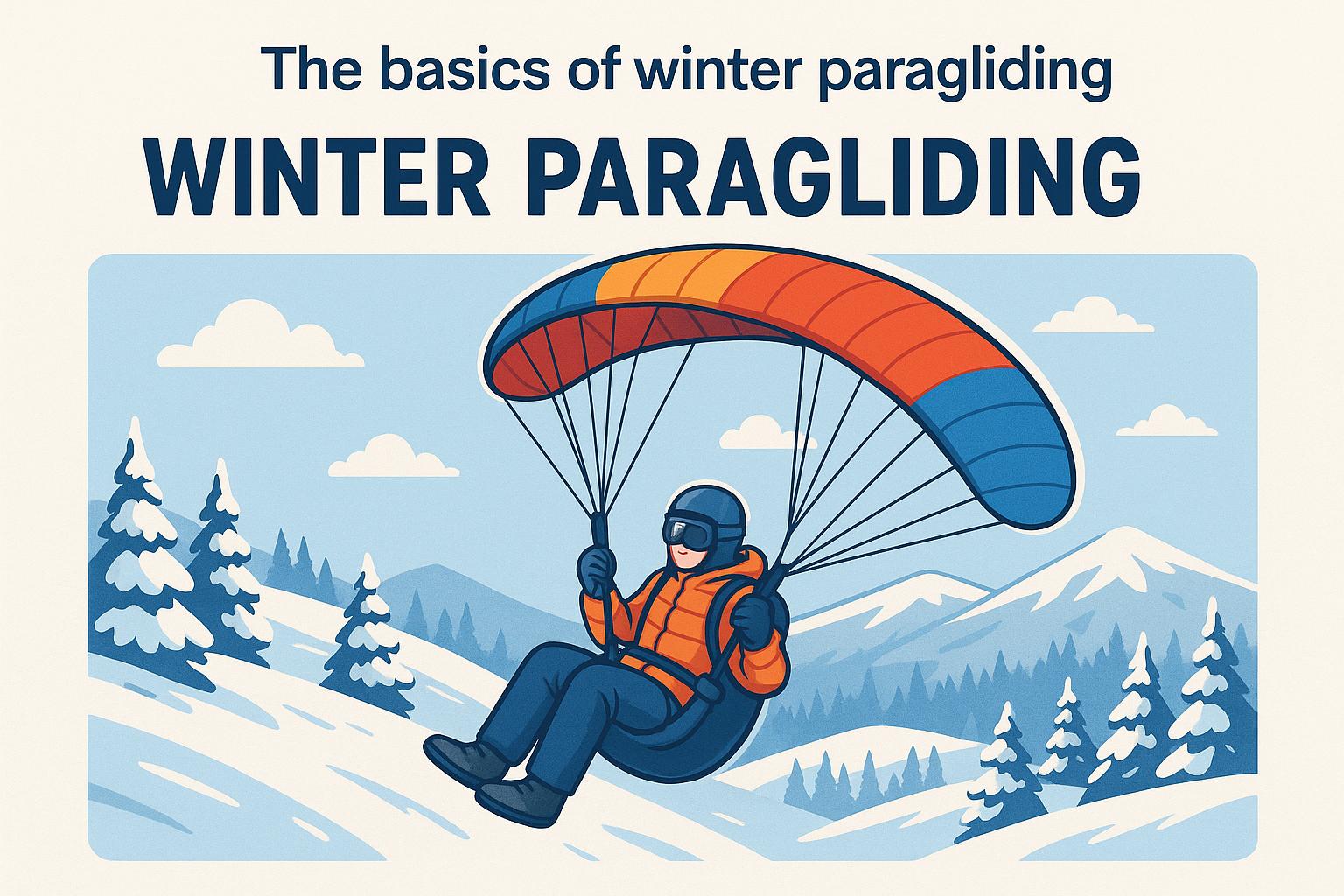
Understanding Winter Paragliding
Winter paragliding presents unique challenges and opportunities for enthusiasts, involving the art of flying a lightweight, free-flying glider aircraft in colder climates. This adventure sport offers breathtaking views of snow-covered landscapes, providing a serene yet exhilarating experience for those willing to embrace the colder months. While it can be more demanding due to the weather conditions, it remains a popular activity for those seeking year-round adventure.
Weather Considerations
The success of a winter paragliding experience largely hinges on understanding and interpreting weather conditions. Cold temperatures play a significant role, affecting both the equipment and the flying experience. Thus, it becomes imperative to keep a close eye on weather forecasts and understand the implications of wind strength, temperature, and thermal availability as they can greatly influence the flight.
Wind Conditions
Wind conditions are crucial to a successful paragliding experience, as they can dictate the ease or difficulty of a flight. In winter, the winds tend to be more unpredictable, posing a challenge even for seasoned pilots. This unpredictability requires pilots to have advanced knowledge and skills to manage the airborne journey. For beginners, calm winds are preferable, offering an environment with fewer complications. However, moderate winds can aid in the creation of lift, which can be advantageous for more experienced pilots who can harness this condition to stay airborne for extended periods.
Temperature and Thermals
Cold temperatures result in denser air, which can enhance lift capabilities but also contribute significantly to the chill factor. As a result, it is imperative to dress appropriately in thermal clothing to ensure comfort and safety throughout the flight. In contrast to the warmer months, thermals during winter are weaker and less frequent, which might limit a pilot’s airtime. This lack of consistent thermals necessitates a thorough understanding of local weather conditions and an ability to adapt quickly to changing scenarios.
Equipment and Safety
The success of any winter paragliding adventure largely depends on specific attention to equipment readiness and the implementation of safety measures. Ensuring that gear is suitable for the cold and adhering strictly to safety protocols are vital components of a successful flight.
Appropriate Gear
Layering becomes crucial in cold conditions. Pilots are required to wear insulated clothing specifically designed for low temperatures, which includes thermal suits, gloves, and windproof jackets. Proper footwear is essential to maintain warmth, while helmets protect pilots from the cold as well as from potential injuries during the flight. These layers not only provide the necessary insulation but also ensure that the pilot’s mobility is not restricted, enabling them to maneuver the glider effectively.
Pre-Flight Inspections
A thorough pre-flight inspection is of utmost importance. This involves checking the paraglider for any damage that could be exacerbated by the cold, such as tears or weakened materials, which may compromise safety. Additionally, pilots must ensure all harnesses and buckles are functioning correctly to prevent any mid-air malfunctions that could pose serious risks.
Tips for Winter Takeoffs and Landings
The processes of taking off and landing in winter require particular attention due to the added challenges posed by snow-covered terrains. Pilots must adapt their usual techniques to account for these unique conditions.
Takeoff Techniques
For a successful takeoff, it is essential to ensure a clean, snow-packed area to prevent slipping, which could jeopardize the entire launch. During this stage, it is crucial to control the glider effectively, making optimal use of wind conditions to assist in a smooth ascent. This requires a precise understanding of how to manipulate the glider in varying conditions to achieve a safe and steady takeoff.
Landing Strategies
When approaching for landing, it is important to evaluate the chosen landing zone for any ice patches or deeper snow that could affect stability. A controlled approach must be executed with a keen awareness of the current wind direction, which may vary at different altitudes and influence the landing outcome. Experience and skill in maneuvering the glider to accommodate these factors are integral to a successful landing.
Conclusion
Winter paragliding can be an incredibly rewarding experience for those who are properly prepared and understand the unique conditions associated with this activity. With a focus on safety and a good grasp of the weather and equipment considerations, winter paragliding can offer a distinctive blend of adventure and tranquility. For individuals interested in broadening their understanding and expertise, many paragliding academies provide specialized courses and resources that are designed to enhance skills and ensure the safety of participants, catering to both novices and skilled pilots looking to refine their craft in a winter setting.