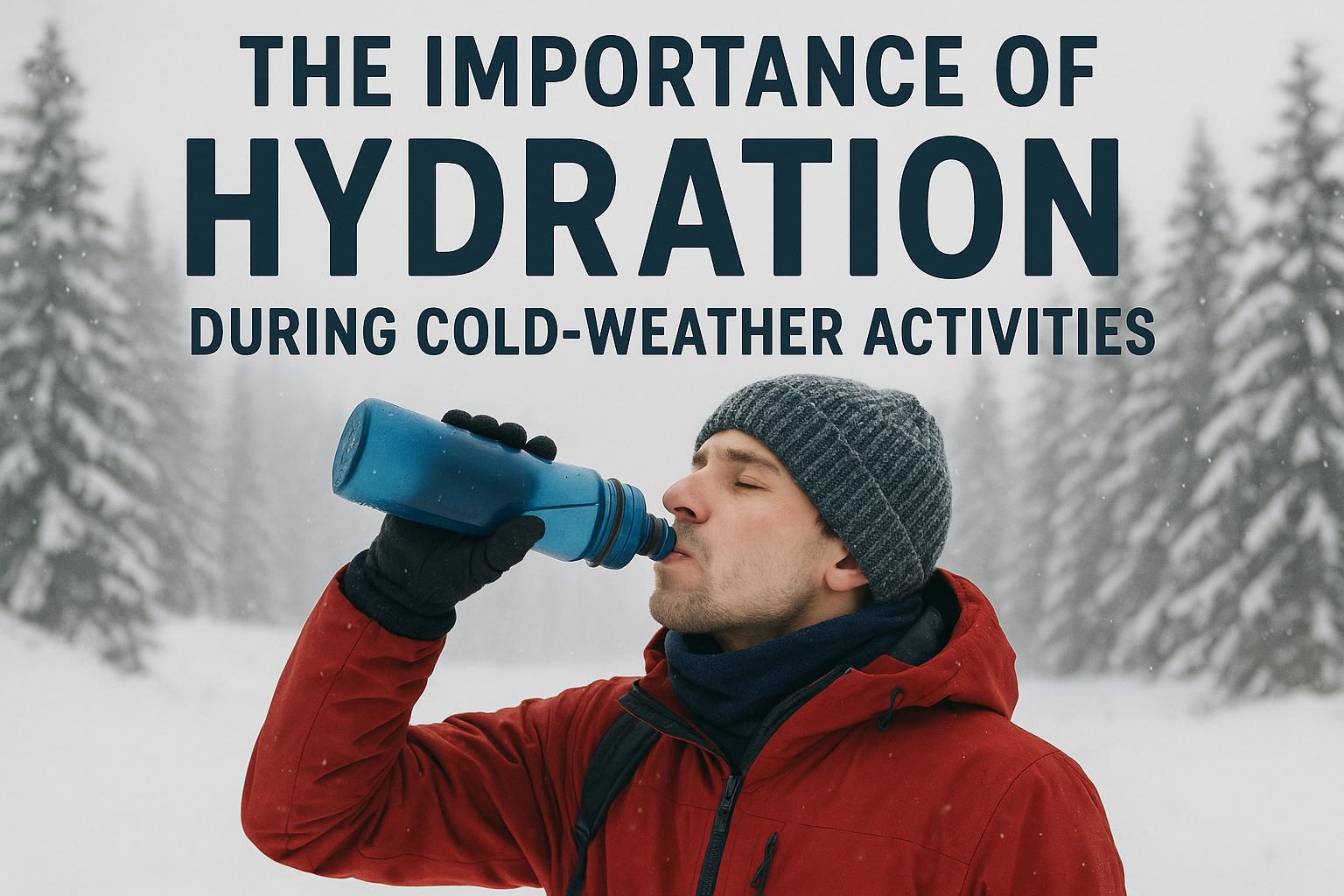
The Role of Hydration in Cold-Weather Activities
During cold-weather activities, the focus on staying warm can often overshadow the crucial need for staying hydrated. Hydration is as essential in cold weather as it is in hot weather. While the sensation of thirst may not be as prominent in cooler climates, the body’s need for water remains significant.
Understanding the Risk of Dehydration in Cold Weather
Even when not immediately apparent, dehydration can occur during winter activities like skiing, snowboarding, or hiking. In colder temperatures, the body’s thirst response is diminished by up to 40%. This reduced urge to drink can lead to insufficient fluid intake.
Moreover, the body loses considerable moisture through respiration. Cold air is usually drier, and each breath taken leads to moisture loss. Additionally, engaging in physical activity in cold weather increases sweat production. Sweat often evaporates quickly in the cold, dry air, contributing further to unnoticed fluid loss.
Physiological Demands of Cold Weather on the Body
Cold weather can impose unique stresses on the body’s physiological processes, demanding increased caloric and water intake. When temperatures drop, the body works harder to maintain core temperature, resulting in increased energy expenditure. This energy expenditure requires adequate hydration to maintain optimal metabolic functioning.
Several studies highlight that dehydration can also affect the body’s ability to regulate temperature. This is particularly concerning in cold environments where adequate thermoregulation is critical to prevent hypothermia.
Key Strategies to Maintain Hydration
To prevent dehydration during cold-weather activities, it is essential to consume fluids regularly, even if thirst is not present. Carrying a water bottle and setting reminders to drink at regular intervals can be helpful. Warm beverages, such as herbal teas or broths, can also aid in maintaining hydration levels while providing warmth.
It is crucial to avoid diuretics such as caffeinated beverages, as they can increase fluid loss. Monitoring the color of urine can also serve as a simple guide to hydration status, with pale yellow indicating adequate hydration.
Conclusion
Recognizing the importance of hydration during cold-weather activities is fundamental to maintaining health and performance. By understanding the risks and adapting strategies to ensure adequate fluid intake, individuals can enjoy their activities safely and effectively, even in the coldest conditions.
Exploring the Science of Cold-Weather Dehydration
The physiology of cold-weather dehydration involves a complex interplay of internal and external factors. The external cold environment influences internal physiological responses, leading to a muted perception of thirst. This is primarily due to the constriction of blood vessels just beneath the skin that conserves body heat. As a result, the body’s core temperature is prioritized over peripheral sensation, diminishing signals of thirst.
The body’s renal function can also be affected in such environments. Increased urine production, known as cold-induced diuresis, is a response to maintaining cardiovascular stability during changes in core and skin temperatures. This can inadvertently lead to increased fluid loss without the accompanying sensation of needing to replenish those fluids.
The Role of Nutrition in Hydration
Nutrition plays a complementary role in hydration during cold-weather activities. Foods with high water content, such as fruits and vegetables, can contribute to maintaining hydration levels. Consuming nutrient-rich, hydrating foods ensures the body has adequate electrolytes, which play a fundamental role in fluid balance and muscle function.
Nutritious meals that complement regular fluid intake can provide a balanced approach to hydration. For instance, soups made with vegetables and lean proteins not only supply warmth and calories necessary for energy but also contribute to overall fluid intake.
Impact of Altitude on Hydration
Cold-weather activities often coincide with high-altitude environments, which introduce additional challenges to hydration. At higher altitudes, the air is thinner and contains less oxygen, leading to increased respiration rates that elevate water loss through breaths. The diuretic effect of altitude further exacerbates fluid loss as the kidneys respond to decreased oxygen levels by increasing urine output, intensifying the need for vigilance regarding hydration.
It is advisable for individuals engaging in activities at altitude to begin hydrating several days before ascending. This proactive approach allows the body to adjust to the elevation changes and improves performance and endurance.
Evaluating Personal Hydration Needs
Understanding personal hydration needs involves an awareness of various factors unique to each individual. Variables such as body size, age, activity level, and overall health conditions can affect fluid requirements. For example, a larger individual may require more fluids due to a greater volume of body water relative to body mass. Similarly, older adults may have a diminished thirst response, necessitating a more conscientious effort to ingest fluids regularly.
Tailoring hydration strategies to personal activities and circumstances ensures an effective approach to maintaining adequate fluid levels. Keeping a hydration diary can assist in tracking aspects like fluid intake, activity duration, and physical symptoms, thereby aiding in the assessment and adjustment of one’s regimen.
Maintaining Hydration in Group Activities
Cold-weather activities often occur in group settings, such as family ski trips or guided hiking tours. Group dynamics can influence hydration levels, as individuals may prioritize social interactions over personal needs. Encouraging group members to stay hydrated can foster a supportive environment that ensures everyone’s well-being.
In group environments, leaders or guides can play a pivotal role in emphasizing routine hydration breaks. Additionally, sharing hydrating snacks or drinks provides opportunities for social bonding while simultaneously promoting fluid intake.
Technological Aids in Hydration Monitoring
Emerging technology offers innovative solutions for monitoring hydration levels, providing additional tools for those venturing into cold environments. Smart water bottles equipped with sensors can track fluid intake and send reminders to drink based on pre-set goals. Wearable devices can also measure biometrics that indicate hydration needs, such as sweat rate and skin temperature.
These technologies can serve as valuable additions to an individual’s toolkit, particularly for tech-savvy adventurers interested in optimizing their hydration strategies with the aid of real-time data and analytics.
Conclusion
In conclusion, understanding the comprehensive role of hydration in cold-weather activities extends beyond just drinking water. It requires recognizing the intricate interactions between environmental conditions, physiological responses, and individual needs. By exploring various facets such as nutrition, altitude, and technological aids, individuals can develop sophisticated strategies for maintaining hydration. Whether participating in solitary cold-weather activities or group endeavors, a commitment to staying informed and proactive in hydration practices ensures not only safety but also enjoyment and performance in winter pursuits.