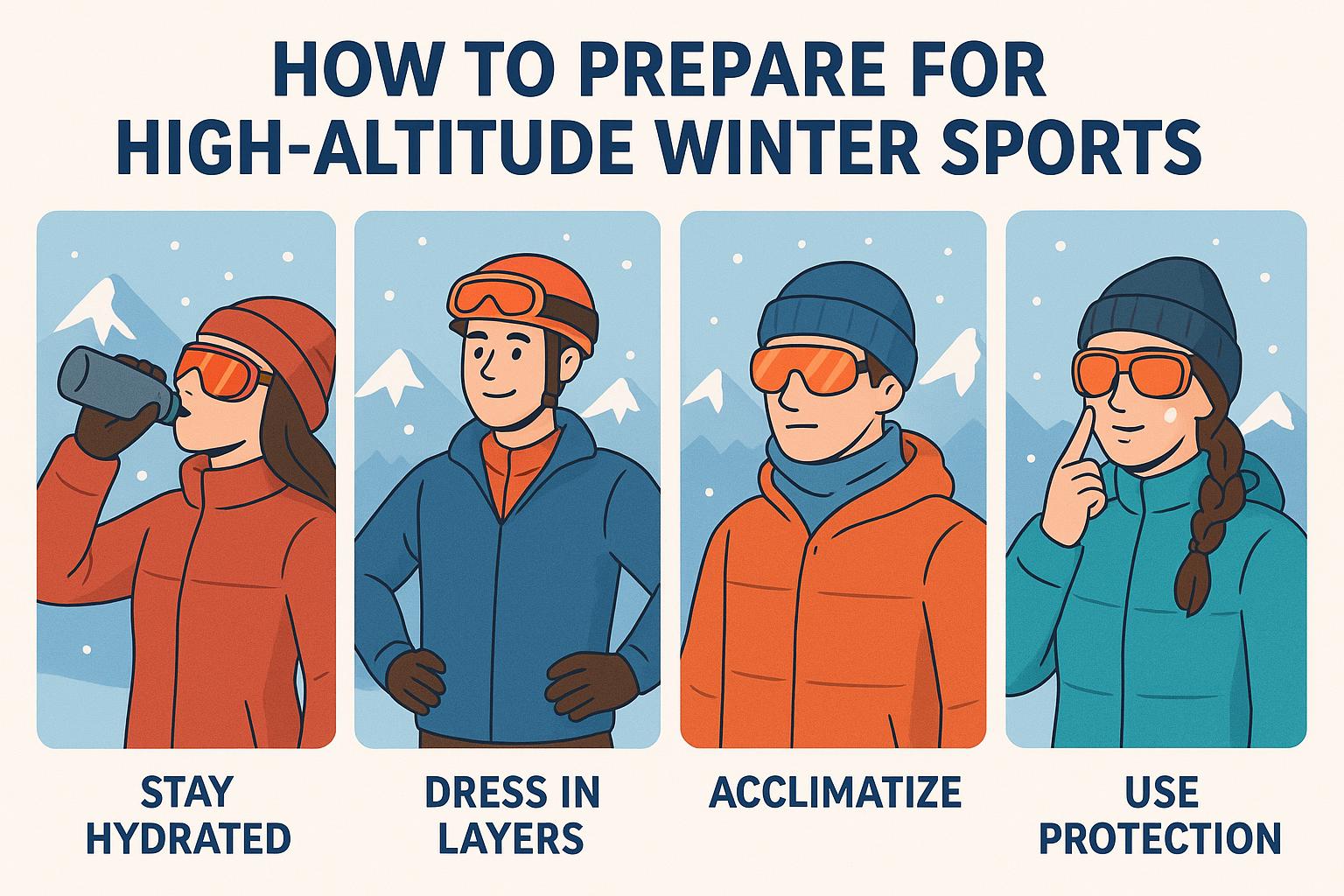
Understanding High-Altitude Winter Sports
Engaging in high-altitude winter sports requires thorough preparation on multiple fronts. Activities such as skiing, snowboarding, and mountaineering are extremely popular in regions characterized by significant elevation. However, the exhilarating experience is accompanied by the unique challenges posed by the combination of cold weather and high altitude. This necessitates careful planning and preparation to ensure participant safety and enjoyment.
Acclimatization
Acclimatization is a critical component when preparing for any winter sports activity conducted at high altitudes. Unlike lower altitudes, the air is thinner, leading to lower oxygen levels in the body. This reduction in available oxygen can negatively affect both athletic performance and overall health. Spending time at higher elevations prior to engaging in intense physical activities is recommended. This gradual exposure gives the body time to adjust to the reduced oxygen levels, thereby reducing the risk of altitude sickness, which can include symptoms such as headache, nausea, and dizziness. Acclimatization periods can vary depending on the altitude, with some experts recommending a few days to over a week of adjustment.
Physical Conditioning
To achieve optimal performance and enhance safety, adequate physical conditioning is essential. The high demands of altitude-enhanced sports necessitate well-developed endurance, strength, and flexibility. Incorporating cardiovascular exercises, such as running or cycling, into your routine can boost lung capacity as well as stamina. These improvements are crucial when dealing with the reduced oxygen levels encountered at high elevations. Strength training should focus on building the muscle groups most utilized during your specific winter sport, ensuring that the body can effectively manage the physical rigors involved. Moreover, incorporating stretching exercises can augment flexibility, which can help prevent injuries and enhance overall performance.
Proper Gear and Equipment
Selecting the right gear and equipment is vital for both comfort and safety in high-altitude winter sports. Investing in quality clothing which is designed for cold environments is imperative. Opt for multiple layers that can be easily added or removed to effectively manage body temperature. Additionally, choose equipment that is suited for the specific sport you are engaging in, making sure it’s well-maintained and appropriate for the conditions you’ll encounter. Proper research into specialized gear providers can be helpful, as they often offer products tailored to the unique challenges of high-altitude sports. Ensuring that your gear is checked and in excellent condition before excursions is a critical step.
Nutritional Considerations
Maintaining a balanced and appropriate diet can have a substantial impact on your performance in high-altitude sports. Consuming an adequate amount of carbohydrates and proteins is crucial, as they provide the essential energy required for sustained physical exertion. The cold temperatures and increased activity can make energy consumption especially demanding, thus underscoring the importance of proper nutrition. Equally crucial is maintaining hydration, as high altitudes can accelerate the body’s rate of dehydration due to lower humidity levels. Regular water intake is essential, and consuming beverages that replenish electrolytes can also be beneficial.
Understanding Weather Conditions
The weather in high-altitude regions can be unpredictable and can change at a moment’s notice. Therefore, understanding current weather conditions is paramount for planning safe excursions. Regularly monitor weather forecasts to plan your activities around safe weather windows. Awareness of potential storms or extreme weather can help you make informed decisions about whether to proceed with or delay activities. In extreme weather conditions, consulting official weather websites provides real-time updates and guidance, helping ensure your safety in unpredictable climates.
Safety Measures
Safety is the primary consideration for anyone thinking of partaking in high-altitude winter sports. It is essential to remain vigilant about potential hazards, such as avalanches or unstable ice conditions, which can pose significant risks. Understanding and preparing for appropriate responses to emergencies is crucial, and carrying essential safety equipment is non-negotiable. Items like a locator beacon and a well-stocked first-aid kit should be considered standard gear. Additionally, joining local safety courses can provide you with valuable skills and insights about recognizing potential hazards and responding appropriately, significantly enhancing your safety.
In conclusion, preparing for high-altitude winter sports involves a multifaceted understanding of the unique conditions inherent to these environments. Ensuring one’s body is both physically and mentally ready to tackle the challenges posed by high altitudes is imperative. Proper acclimatization, physical conditioning, suitable gear selection, nutritional planning, and awareness of changing weather conditions are key components that contribute to a successful and enjoyable experience. By prioritizing safety and preparation, participants can make the most of the exhilarating opportunities offered by high-altitude winter sports.