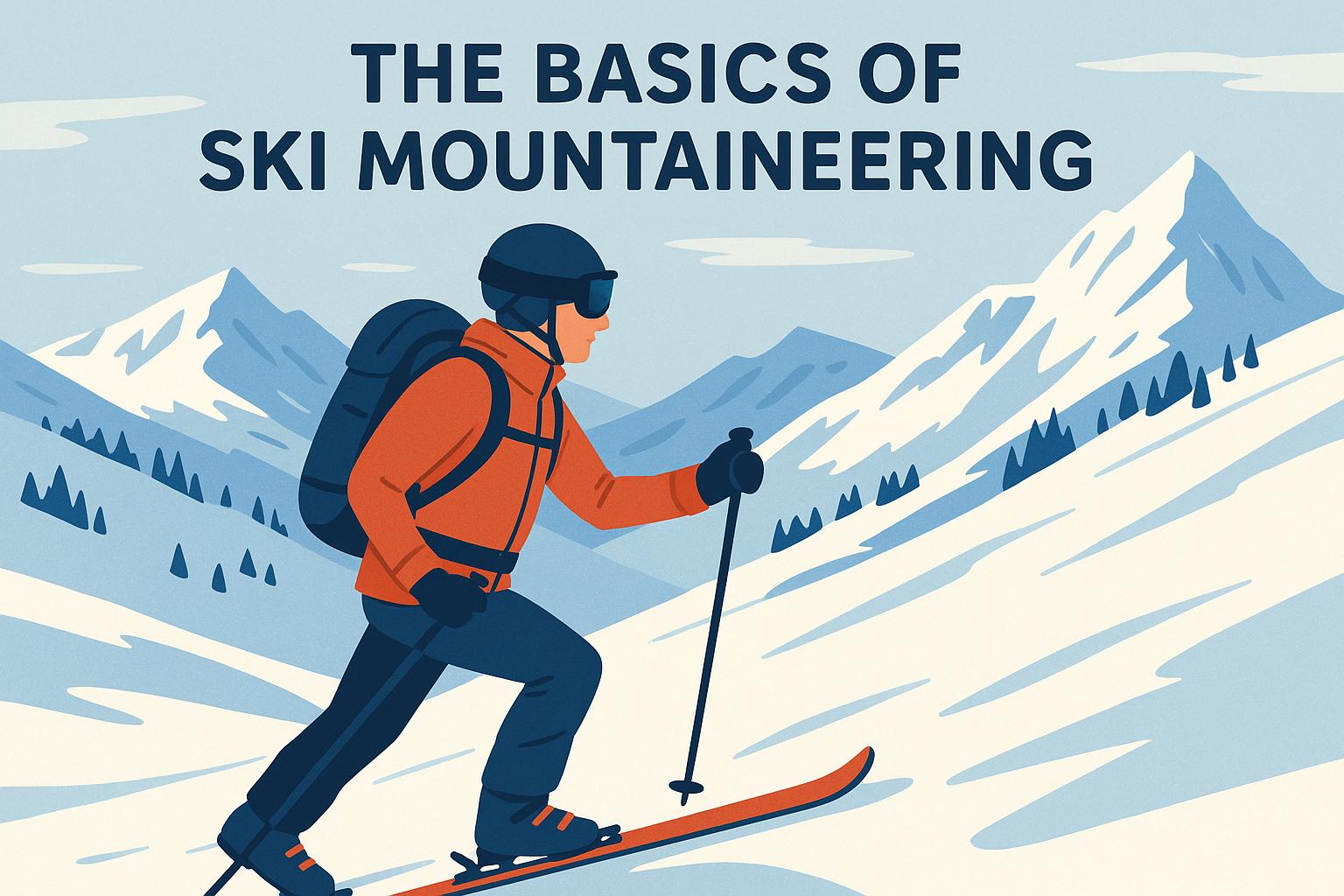
Introduction to Ski Mountaineering
Ski mountaineering combines the skills of skiing and mountaineering to travel across mountainous terrain covered in snow. It is a sport that demands a high level of fitness, technical skill, and an understanding of the mountain environment. In this article, we will explore the fundamental aspects of ski mountaineering, including equipment, technique, and safety considerations.
Essential Equipment
For ski mountaineering, you’ll need specialized equipment that allows you to both ascend and descend with efficiency and safety. Here are some critical components that play a crucial role in the activity.
Skis and Bindings: Ski mountaineering skis are typically lighter and more flexible than alpine skis. These skis are designed to ensure that you can move with agility and speed on various types of snow. Bindings play an equally important role and should allow for a free heel during ascents, offering flexibility, and lock down for descents to provide the necessary stability and control.
Skins: Skins are vital for uphill travel, being strips that attach to the bottom of your skis. They allow for traction when moving uphill and are removable when you need to descend. The efficiency of skins in providing grip without causing excessive drag is indispensable for conserving energy during long ascents.
Boots: The boots used in ski mountaineering are a hybrid of alpine skiing and climbing boots. They provide the compatibility required with bindings, alongside sufficient flexibility for climbing. These boots must also offer support and insulation to protect you from the cold temperatures encountered in high-altitude environments.
Packs and Clothing: When assembling your gear, a lightweight yet capable pack is necessary for carrying essential gear like food, water, clothing, and safety equipment. Clothing should be layered, made from breathable materials to help regulate body temperature. The climate can change rapidly in mountainous regions, necessitating preparedness for anything from intense cold to warmth when the sun shines brightly on clear days.
Safety Gear: Safety in ski mountaineering cannot be overstated. Essential safety gear includes avalanche transceivers, probes, and shovels. These tools are crucial for helping locate and extricate avalanche victims should a situation arise. Helmets and harnesses for rope protection may also be necessary when navigating technical terrains, offering further assurance when tackling challenging sections.
Techniques for Ski Mountaineering
Ski mountaineering requires a specific set of skills related to both skiing and mountaineering. Understanding and mastering these techniques enhances efficiency and safety while on the mountain.
Ascent Techniques: Ascending in ski mountaineering involves techniques like the kick turn to navigate uphill ascents. This maneuver allows you to change direction with minimal effort on steep slopes. It is crucial to know how to switch from “walk” to “ski” mode on your bindings, a subtle but significant adjustment during transitions. Efficient management of skins, preserving their adhesive capability, is also essential to prevent difficulties during climbs.
Descent Techniques: While descending, control and balance are essential in varied snow conditions that ski mountaineers encounter. Snow may range from powder to ice, requiring the mastery of classic skiing techniques and the ability to adapt them to a backcountry environment. Familiarity with how to adjust your skiing style to handle different types of snow will ensure smoother, safer descents.
Mountaineering Skills: Alongside skiing proficiency, mountaineering skills are indispensable in ski mountaineering. This may include map reading and navigation to find safe routes through treacherous areas. The use of crampons and ice axes becomes necessary in glaciated or rocky terrain, providing essential support and safety. These skills ensure you can safely navigate varied terrains where snow may be sparse or ice pervasive.
Safety Considerations
Ski mountaineering presents numerous safety challenges, primarily due to exposure to avalanche risk and harsh weather conditions. Proper training and preparation significantly enhance safety.
Avalanche Awareness: Knowing the dynamics of snowpack and recognizing potential avalanche-prone areas is crucial. This understanding helps inform your decisions on whether certain areas should be avoided. Taking avalanche safety courses and staying up-to-date with local avalanche forecasts should form part of your regular preparation routine.
Weather and Terrain Assessment: The ability to read weather patterns and comprehend their implications on snow stability and navigation can inform safer decision-making. Weather can drastically alter the conditions of the terrain, influencing both your ascent and descent options. Prior knowledge and constant monitoring of these patterns allow for more effective adjustments to your plan as needed.
Partner System: Traveling with at least one other person skilled in rescue techniques is invaluable in ensuring the safety of your group. Effective communication and planning minimize risk, facilitating a coordinated response should emergencies occur. Teamwork is fundamental in handling situations delicately and ensuring all group members can enjoy the experience securely.
Concluding Thoughts
Ski mountaineering is a demanding yet rewarding sport that offers unique challenges and satisfying experiences in high alpine environments. It combines the thrill of skiing with the strategic elements of mountaineering, providing an adventure that is both invigorating and fulfilling. Proper knowledge of the necessary skills, equipment, and safety measures can lead to a fulfilling and responsible way to explore snow-covered peaks. As with any outdoor venture, preparation and knowledge are crucial companions. For more detailed information or courses on ski mountaineering, consider visiting specialized outdoor and mountaineering websites, such as alpine skill centers or local mountaineering clubs for further guidance and community engagement.