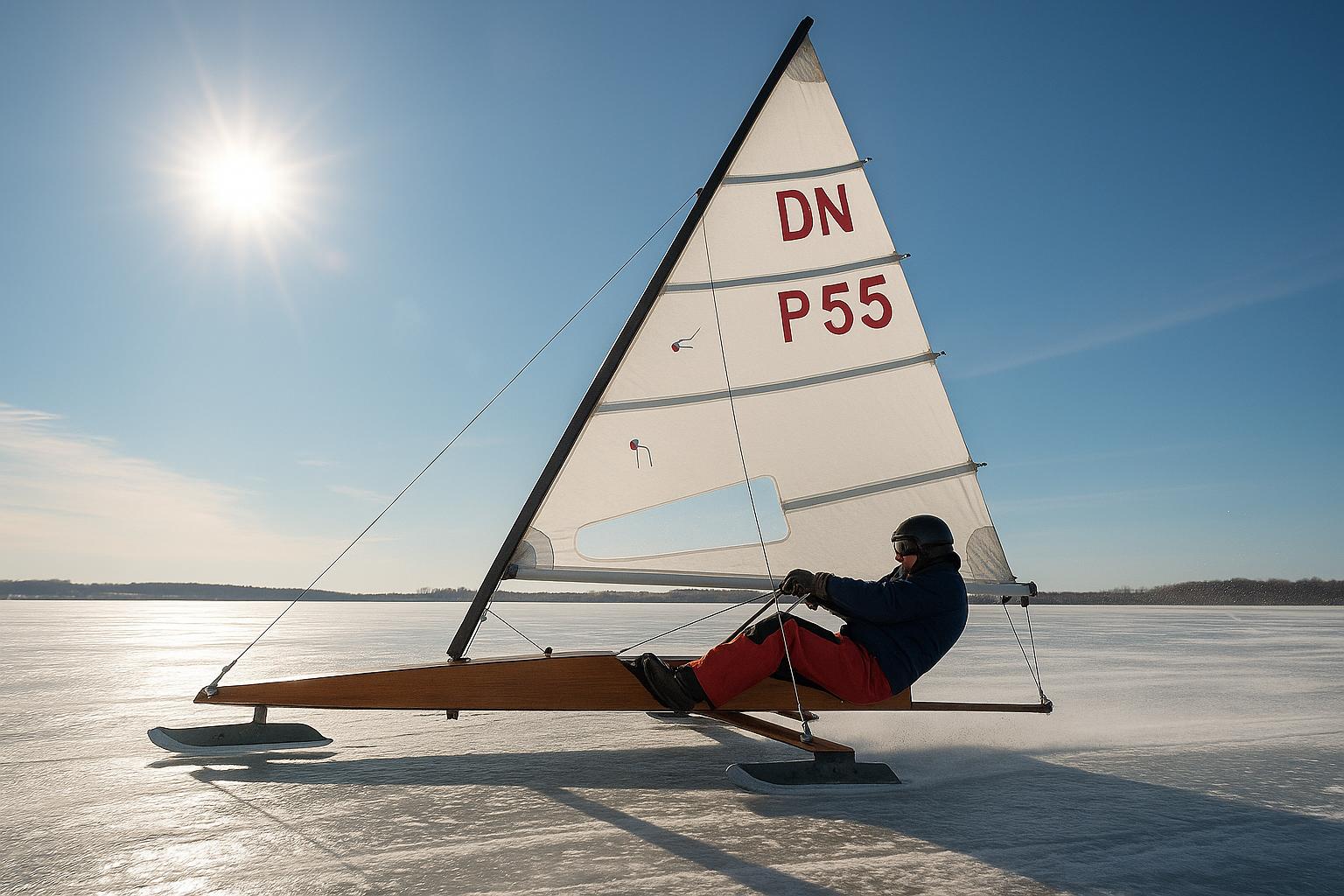
Introduction to Ice Yachting
Ice yachting, a sport that blends the elegance of sailing with the high-speed excitement of ice skating, takes place predominantly in winter-clad regions across the globe. These specialized vessels, known as ice yachts or iceboats, glide across frozen lakes and rivers at impressive speeds, providing a thrill unmatched by many other winter sports.
The Evolution of Ice Yachting
Originating in Northern Europe during the 17th century, ice yachting began as a means of winter transportation. The Dutch were among the earliest adopters, utilizing ice boats to shuttle goods during the frozen months. Over time, this practical necessity evolved into a competitive sport, marked by significant advances in design and speed capabilities. This transformation was a result of the growing appreciation for the sport’s thrilling nature and the introduction of competitions that encouraged innovation in yacht design.
Modern Ice Yachts
Today’s ice yachts are a product of centuries of innovation and advancement. They are typically single-seaters with aerodynamic hulls, equipped with three blades, or runners, which facilitate smooth and swift movement across ice surfaces. These intricate designs allow for speeds that can exceed 60 mph, transforming ice yachting into an extreme sport. The construction often involves lightweight materials such as fiberglass and carbon fiber, enhancing the yacht’s agility and speed potential, which is a stark contrast to the hefty constructions of the past.
Speed and Thrill
Ice yachting is uniquely thrilling due to the remarkable speeds achieved. These speeds are significantly higher than those typical in traditional sailing. In optimal conditions, an ice yacht can travel at three to four times the speed of the wind propelling it. This phenomenon, known as velocity made good (VMG), makes ice yachting an exhilarating experience. The sensation of gliding swiftly over a mirror-like surface is incomparable to any terrestrial or aerial activity, offering a pure and immediate connection with the elements.
The Science Behind Ice Yachting
The remarkable speed in ice yachting is rooted in physics. The friction between the runners and the ice is minimal, which allows the vessel to accelerate rapidly under wind propulsion. This is significantly enhanced by the yacht’s design, which allows it to harness the wind effectively through its sail, converting potential wind energy into kinetic energy with impressive efficiency. The dynamics involved in ice yachting reflect a delicate balance between natural elements and human engineering, resulting in a sport that is as much about understanding physics as it is about skillful navigation.
Participation and Accessibility
Ice yachting is practiced in regions with long winter seasons and vast expanses of frozen waters. Enthusiasts are found in countries such as the United States, Sweden, and Canada, where the conditions are ideal for this vibrant sport. Many clubs and associations facilitate ice yachting, organizing races and providing opportunities for novices to experience the thrill of this unique activity. For those eager to delve into this dynamic sport, engaging with these organizations can provide invaluable insight into the community and culture of ice yachting. Events organized by bodies such as the North American Ice Sailing Association serve as excellent platforms for beginners and veterans alike to learn and compete.
The Challenge of Conditions
One of the critical aspects of ice yachting is the challenge presented by varying ice conditions. Unlike traditional sailing, where water conditions remain relatively constant, ice surfaces can change rapidly due to weather variations. The thickness and texture of the ice are crucial factors that affect the performance and safety of ice yachts. Racing across unknown ice can be dangerous, requiring participants to rely heavily on their understanding of the ice, weather forecasts, and their own intuition. This adds an extra layer of skill and strategy to the sport, demanding both mental and physical acuity from its practitioners.
Technological Innovations
Technological advancements have played a pivotal role in transforming ice yachting into the sport it is today. Modern ice yachts incorporate cutting-edge materials and designs to improve speed, safety, and efficiency. Innovations like GPS navigation systems, advanced sail materials, and digital wind forecasting tools enhance the experience, allowing sailors to push the boundaries of what is possible on ice. This continual innovation not only keeps the sport exciting but also makes it more accessible to newcomers who might be daunted by the technical aspects of ice yachting.
Community and Competitions
The ice yachting community is tight-knit and welcoming, with events and competitions serving as social gatherings as much as sporting contests. Championships and regattas are held worldwide, offering opportunities for racers to test their skills against others and share their passion for ice yachting. These events foster a sense of camaraderie and promote the exchange of knowledge and techniques among participants, encouraging a culture of continuous learning and improvement within the sport.
Environmental Considerations
As a sport that depends on natural conditions, ice yachting also brings environmental awareness to the forefront. Participants are often acutely aware of changes in climate patterns and their impact on the availability of safe ice surfaces. This awareness has led to increased advocacy for environmental protection within the ice yachting community, underscoring the importance of sustainability and the preservation of winter environments essential for the sport’s continuation.
Conclusion
Ice yachting offers a blend of high-speed excitement and skillful navigation across frozen landscapes. It is a sport deeply rooted in history yet continually evolving with technological advancements. For those seeking a unique and exhilarating winter activity, ice yachting presents an attractive option steeped with thrill and tradition. The sport not only challenges its participants physically and mentally but also fosters a deep connection with nature, encouraging an appreciation for the delicate balance between human innovation and natural environments. As ice yachting continues to grow in popularity, it promises to bring both thrills and challenges to new generations of winter sports enthusiasts.