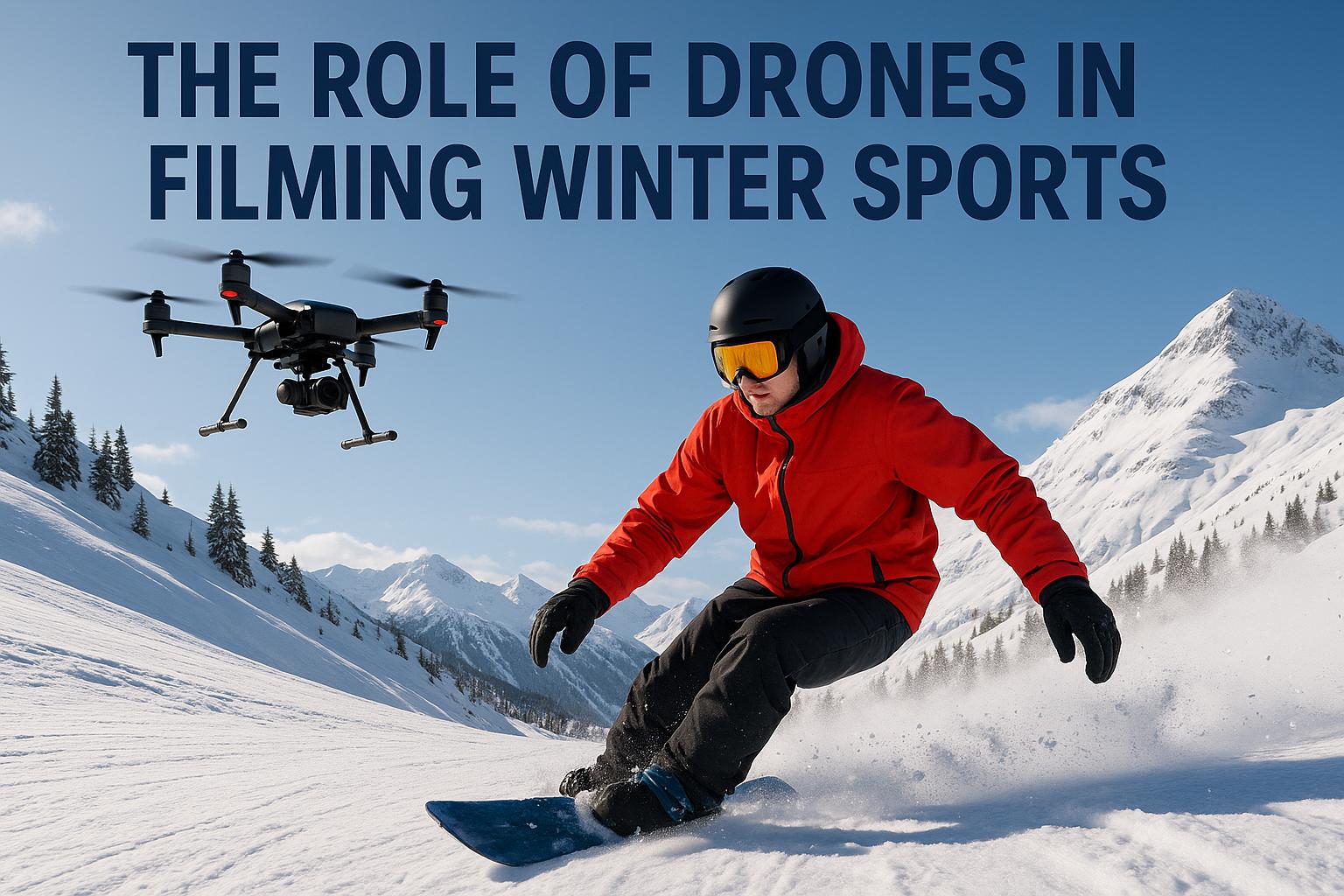
The Role of Drones in Filming Winter Sports
The integration of drone technology in the filming of winter sports has revolutionized how audiences experience these events. With their ability to capture dynamic and expansive aerial views, drones have become an essential tool in the industry.
Enhanced Aerial Perspectives
Drones provide a unique vantage point that was previously unattainable with traditional filming methods. The ability to maneuver through diverse terrains and capture sweeping aerial shots offers a compelling view of the sport and its environment. This enhances engagement for viewers, allowing them to experience the thrill and scale of winter sports like never before.
Capturing these expansive views not only adds a visual appeal but also significantly contributes to storytelling. With the use of drones, filmmakers can construct a narrative that conveys the vastness and intricacy of winter sports arenas, from the majestic snow-capped mountains to the vastness of icy slopes. The aerial perspective allows audiences to become more immersed in the geography of the sporting environment and feel more connected to the challenges athletes face.
Technological Advancements
Modern drones are equipped with sophisticated technology, including 4K cameras and stabilization systems, enabling high-definition footage and smooth motion capture. Brands continuously innovate to offer features such as obstacle avoidance and intelligent flight modes, enhancing the safety and flexibility of filming in unpredictable winter conditions.
Significant developments in drone technology, such as advanced gimbal systems, have revolutionized how steady footage is captured, even in windy conditions. This steadiness is pivotal when documenting fast-paced sports where clarity and fluidity are essential. Furthermore, the advent of thermal imaging and infrared cameras expands the potential of drones beyond visual capture to safety inspections and monitoring in winter sports environments.
Safety and Accessibility
One of the primary advantages of using drones in winter sports is the increased safety and accessibility they provide. In challenging and potentially hazardous conditions, drones allow videographers to capture footage without subjecting themselves to danger. This is particularly beneficial in filming extreme sports such as snowboarding and skiing in remote mountain regions.
By eliminating the need for camera crews in precarious positions, drones mitigate the risk of accidents in hazardous locales. They make it feasible to cover events in hard-to-reach areas that might otherwise be inaccessible due to weather conditions or dangerous terrain. Consequently, drones democratize the filming process, making it possible for filmmakers to venture into areas previously deemed too risky.
Cost Efficiency
Drones offer a cost-effective alternative to traditional filming methods such as helicopters or cranes. The reduction in logistical requirements and personnel not only lowers costs but also enables quick deployment and adaptability, which is crucial in capturing fast-paced sporting events.
The affordability of drones has leveled the playing field for small production houses and independent filmmakers who wish to produce high-quality footage without the monumental budget associated with traditional filming techniques. Beyond just acquisition costs, the maintenance and operational expenses of drones are relatively lower, thus providing a sustainable solution for consistent and economical content creation.
Regulatory Considerations
While the benefits of drone technology in filming winter sports are significant, it is important to remain aware of regulatory considerations. Operators must comply with federal aviation regulations to ensure that drones are flown safely and responsibly. Understanding and adhering to these rules is essential to minimize risks and legal issues.
Regulations often vary by country and region, affecting aspects such as where drones can be flown, proximity to individuals or private property, and operational restrictions near airports or military zones. Filmmakers must remain informed about the evolving legal frameworks, securing proper permissions and ensuring ethical usage. This diligence in compliance not only safeguards the operators and spectators but also preserves the integrity of the sporting events.
Future Developments
As technology continues to evolve, the role of drones in filming winter sports is expected to expand further. Developments in artificial intelligence and autonomous flight are likely to enhance the creative possibilities and efficiency of drone use in this field. These advancements could redefine how audiences experience winter sports, making drone technology even more integral to the industry.
AI-powered drones capable of autonomous tracking could revolutionize coverage by autonomously following athletes while avoiding obstacles, resulting in uninterrupted and immersive footage. Furthermore, advancements in machine learning could refine how real-time data from drones is interpreted, offering insights and analytics that were previously impossible to gather. Such technologies will not only advance filming techniques but also provide deeper analytical capabilities for better understanding and presentation of winter sports.
In conclusion, the integration of drone technology in winter sports filming has brought about significant transformations, offering enhanced perspectives, improved safety, cost efficiency, and an ever-expanding scope of possibilities with ongoing technological advancements. As the landscape of drone technology continues to progress, it is likely that their role in this industry will only grow, further enriching the way these thrilling events are shared and experienced.