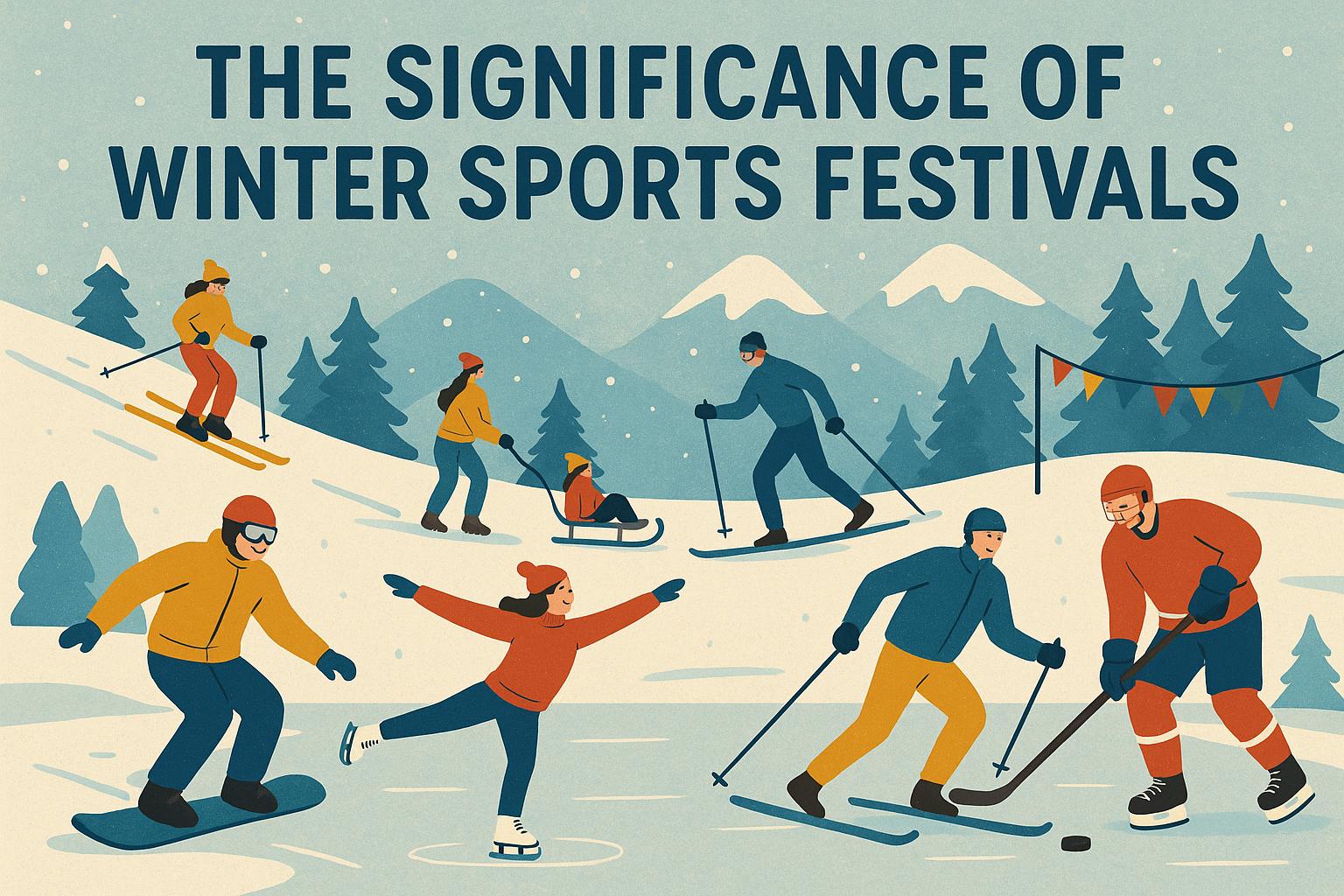
The Cultural and Economic Impact of Winter Sports Festivals
Winter sports festivals have transformed into essential events that remarkably influence the cultural and economic aspects of numerous countries. These festivals, often hosted in picturesque settings with optimal snow and ice conditions, unite athletes, spectators, and local communities in a celebration of winter sports and associated activities.
The Cultural Importance
Winter sports festivals embody significant cultural value by offering a platform for cultural exchange and community bonding. These events provide a unique opportunity for individuals from diverse backgrounds to engage with and appreciate traditions associated with winter sports. The festivals typically encompass not only competitive sports events but also cultural performances, indulgence in local cuisine, and displays of traditional crafts.
By promoting such a variety of activities, winter sports festivals play a crucial role in preserving ancient traditions while also enhancing collaboration and unity among different groups. They serve as a platform to showcase the heritage of the host region, enriching the participants’ understanding and appreciation of varied cultures and practices.
Economic Benefits
The economic impacts of winter sports festivals are notably significant. These events act as magnets for tourists, boosting revenue for local businesses, spanning hotels, restaurants, and retail shops. Numerous tourism studies indicate that the influx of visitors during such events significantly enhances the host area’s economy, at times even doubling the typical income for the season.
Moreover, winter sports festivals frequently garner sponsorships and media attention, contributing to both local and international visibility. This exposure can spark heightened interest in the host region, encouraging tourism beyond the temporal framework of the festival itself.
Job Creation and Infrastructure Development
Hosting winter sports festivals can lead to substantial job creation due to the organizational, logistical, and hospitality service demands. The need for a temporary workforce across various sectors presents employment opportunities that benefit the local population.
Beyond direct employment, these festivals can act as catalysts for infrastructure development. Investment in transportation systems, accommodation services, and sports facilities can result in lasting improvements for the host region, continuing to benefit the community well after the festival concludes.
Sports Promotion and Youth Engagement
Winter sports festivals significantly promote winter sports at various levels, from grassroots initiatives to professional competitions. These events provide emerging athletes a stage to display their talents, inspiring the next generation of sports enthusiasts. By actively engaging youth, such festivals encourage an interest in physical activities and help cultivate a lifelong respect and enthusiasm for sports.
Environmental Considerations
Despite the multitude of benefits offered by winter sports festivals, it is vital to bear in mind the potential environmental impacts. This calls for the adoption of sustainable practices, including waste reduction, energy conservation, and the protection of natural habitats, which are essential for the continued viability of these events. Recognizing the importance of minimizing their ecological footprints, festival organizers are increasingly prioritizing environmental stewardship to preserve the pristine settings that make these gatherings unique.
Ultimately, winter sports festivals contribute substantially to cultural exchanges, economic growth, and sports promotion. Nonetheless, they also underscore the necessity for responsible environmental stewardship. These festivals remain a fundamental element of winter sporting culture globally, fostering both a sense of tradition and innovation where ever they are celebrated.