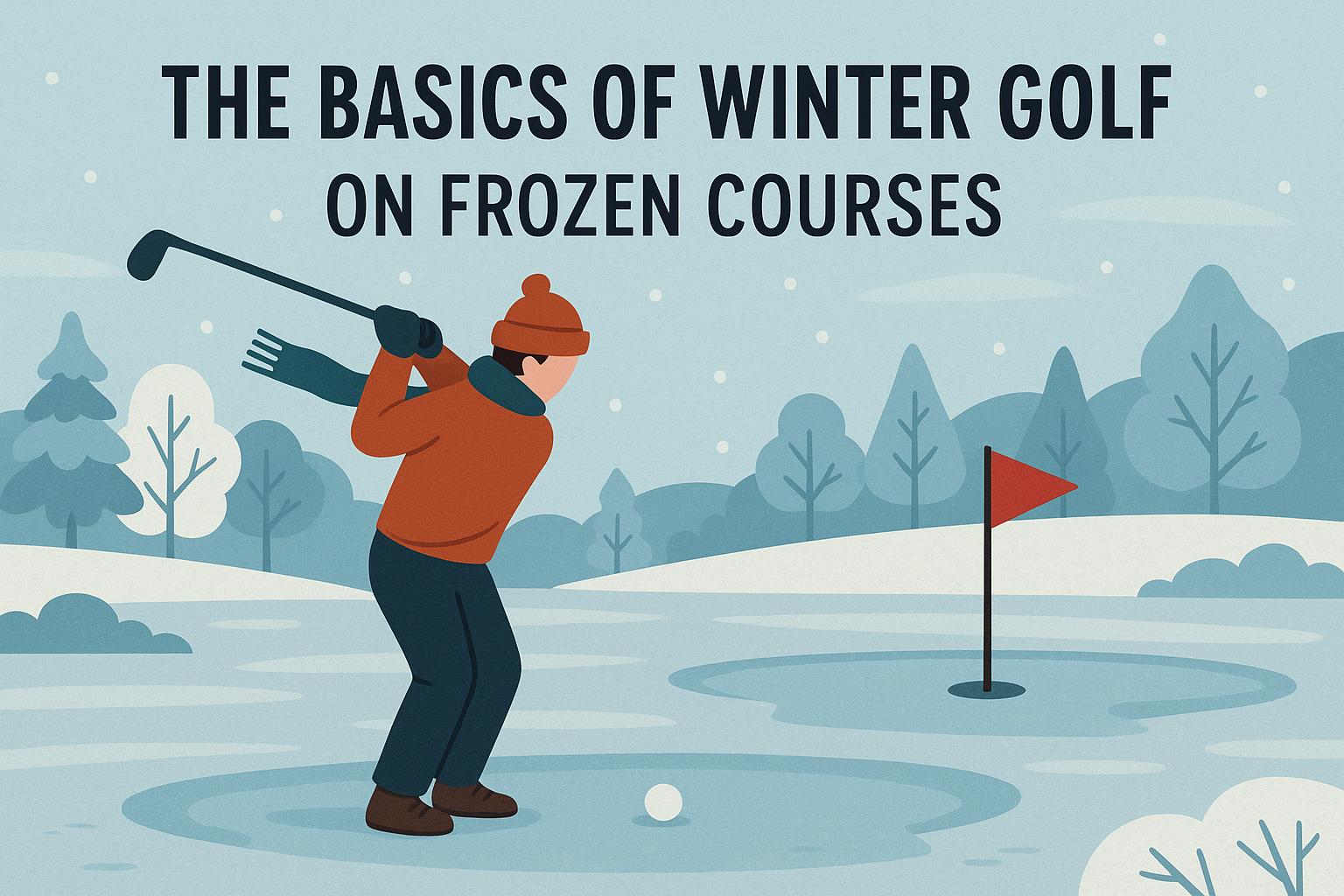
Introduction to Winter Golf on Frozen Courses
Winter golf on frozen courses is a unique experience that offers both challenges and rewards. For golf enthusiasts looking to extend their season, understanding the intricacies of playing in colder conditions is essential. This article delves into the key aspects of enjoying golf when temperatures drop below freezing.
Understanding the Course Conditions
During winter, golf courses can undergo significant changes. Frost and ice can harden the ground, affecting how the ball interacts with the surface. The grass itself is often dormant, with greens becoming faster due to the firm ground. To mitigate any potential damage to the turf, some courses may have temporary greens in use. It’s crucial for players to respect these adaptations to preserve the course for future play.
Whether playing on a snow-dusted fairway or a completely frozen landscape, golfers will find that the traditional rules require adjustment. The harder ground means the ball’s usual bounce and roll are altered. Instead of a soft landing, the ball may skid and roll much farther than expected. This variability demands a new level of strategy and understanding from players, encouraging them to rethink their usual approaches.
Importance of Proper Attire
Dressing appropriately is vital when playing golf in winter. Layering clothing is recommended, allowing golfers to adjust to the fluctuating temperatures. Performance fabrics that provide warmth while allowing freedom of movement are ideal. Additionally, wearing gloves specifically designed for winter conditions can improve grip and control. Consider exploring cold weather golf gear for more insights.
Layered clothing should consist of a moisture-wicking base layer to keep sweat away from the body, followed by insulating layers to retain warmth, and finally, a weatherproof outer layer to block wind and precipitation. Headwear, such as thermal hats or ear covers, is also crucial to maintain body heat. Moreover, proper footwear is essential to ensuring stability on potentially slippery surfaces. Spikeless shoes, often with good traction, can help maintain balance and keep feet dry.
Equipment Considerations
Golf equipment can be affected by colder temperatures. Golf balls tend to lose distance in the cold, requiring players to adjust their club selection. Some golfers prefer using a lower compression ball in winter to maximize distance and feel. Furthermore, keeping clubs dry and warm is essential to maintain their performance. For tips on selecting the right equipment, visit golf ball recommendations for winter.
In addition to considering the ball type, it is advisable to keep your balls and clubs in inside pockets between uses to maintain warmth. Cold clubs and balls can negatively affect performance and longevity. Players might also consider carrying a spare towel to wipe down equipment after shots, ensuring that ice and moisture do not interfere with grip and handling.
Adapting Your Playing Style
Playing on a frozen course demands a strategic adjustment of one’s playing style. Since the ground is harder, the ball often rolls further upon landing. This factor could impact shot selection, as players might need to aim for areas that account for extended roll-out. Approach shots may require more finesse, with the focus on landing softly to control the ball’s movement.
Further strategic adjustments include reconsidering the club selection for each shot, as the distances will vary from usual. Players will need to be mindful of their swing speed, as cold muscles can affect their performance. Practicing slower, more deliberate movements can help maintain accuracy and strength. Lastly, patience becomes a virtue. Taking the time to judge each shot and account for unpredictable conditions is imperative.
Staying Safe and Hydrated
Cold weather can sometimes disguise dehydration. Players should remember to drink fluids regularly, even if they don’t feel thirsty. Additionally, keeping muscles warm and flexible is vital to prevent injury. Engaging in stretching exercises before and during the round can help maintain optimum performance levels.
Preparation should include light aerobic activities before starting the round, focusing on muscle groups engaged during swings. Regularly stretching between shots keeps the body limber while promoting circulation. Protective measures against the cold, such as using pocket hand warmers or thermally insulated water bottles, can complement hydration efforts and ensure comfort throughout play.
Conclusion
Winter golf on frozen courses presents a distinct set of challenges and opportunities for players. By understanding how to adapt to course conditions and adjusting their equipment and attire, golfers can continue enjoying the game year-round. Engaging in the proper preparation ensures a safe and enjoyable experience on the course even during the coldest months.
Playing golf in winter is about embracing the unique challenges and adapting strategies to match the changed landscape. By doing so, players not only refine their skills but also gain a new appreciation for the sport under different conditions. This dedication to the game reinforces a golfer’s resilience and passion, demonstrating that with the right mindset, golf can indeed be a year-round pursuit.